

Falls from height
Connecting and decking high above ground exposes ironworkers to severe fall injuries, the defining hazard of steel erection.
Try a different word, or check the spelling.
The beam you set is part of the project, not simply part of the crane's equipment schedule. Coverage for erected work deserves attention alongside rigging, machinery, and liability during the lift.
Tell us about your erection heights, crane hire and lifting responsibilities, with the project's insurance and bond requests.
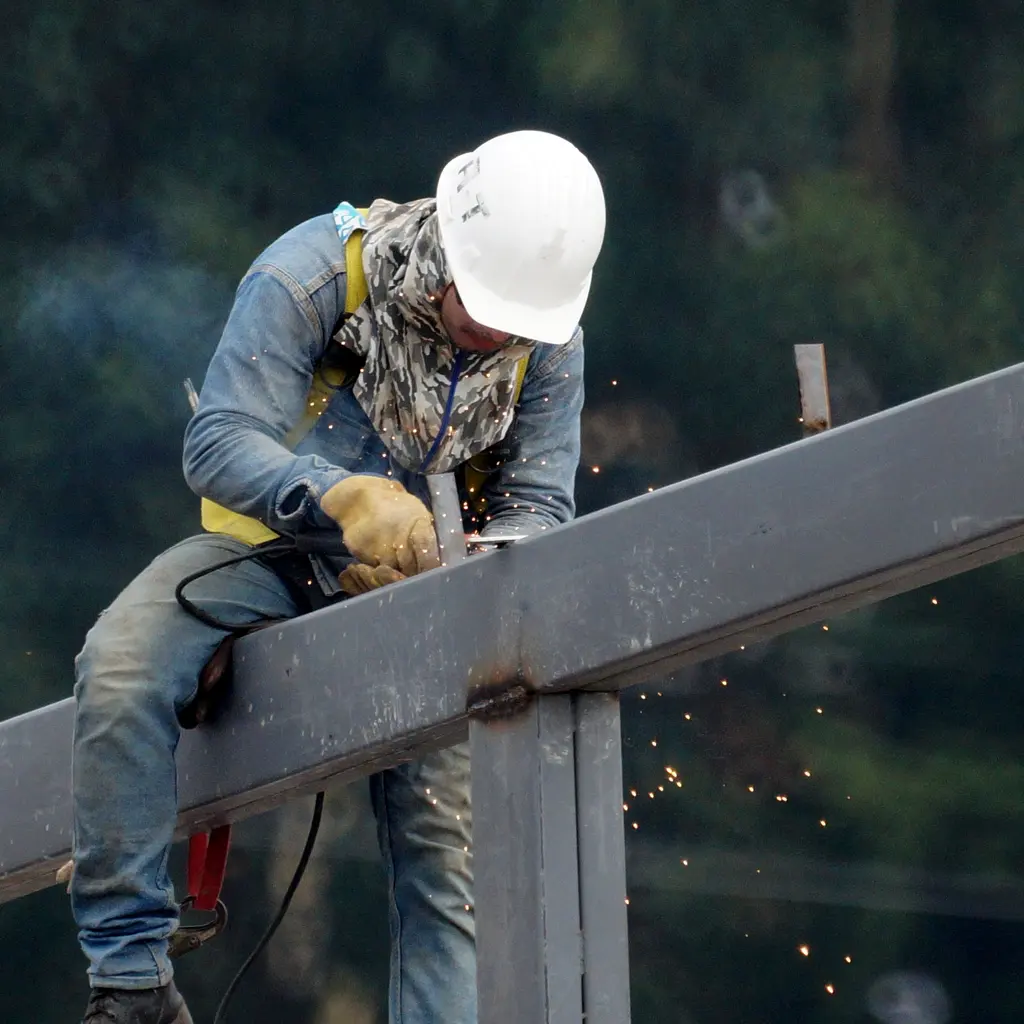
You hoist, connect and secure steel frames, with crews and property exposed while members are suspended or only partly braced. A dropped beam can damage work below, and a crane incident can involve the load, lifting equipment and people in the same loss.
The Southern Agency can review your erection scope, heights and crane arrangements to help you compare insurance. We can discuss liability during lifts and after completion alongside worker benefits and equipment protection, keeping the lifted steel and any bond request as separate questions.
Connecting and decking high above ground exposes ironworkers to severe fall injuries, the defining hazard of steel erection.
Dropped loads, rigging failures, or an overturned crane can cause catastrophic injury and major property damage on the jobsite.
Swinging beams, suspended loads, and falling tools or steel can strike workers and others below the erection area.
Torch and welding work creates burn injuries and fire risk to the structure and surrounding materials.
Steel mid-erection can collapse or shift under wind or instability before connections are fully complete.
Cranes, rigging gear, and welding rigs are high-value and exposed to theft and damage on site and in transit.
Policies to ask about. Which ones fit depends on your operations, your contracts, and the carrier’s forms.
Ready to compare options?
Get a quote for Structural Steel Erection Contractor Or call 1-800-777-1TSAThese hypothetical examples are not agency claim results. Whether a loss is covered depends on the facts, policy terms, and applicable exclusions.
A rigging failure drops a beam onto completed work below. General liability may address covered damage to that other work, subject to work-property exclusions. Damage to the lifted beam needs separate custody or riggers review; a crane equipment schedule alone does not insure the load.
A connector falls during decking despite fall protection and is seriously injured. Workers' compensation may help with medical costs and lost wages, subject to the specific policy.
A crane overturns during a heavy lift, injuring bystanders, and damaging adjacent property. Liability and umbrella coverage may respond, depending on policy terms and exclusions.
Start with the work you do and the questions your current policies leave unanswered. Carrier options depend on your location, risk, and underwriting. Explore our approach.
Liability insurance may help with injury or damage claims, workers' compensation with qualifying employee injuries, and equipment insurance with cranes and welding gear. Trucks, the lifted steel and the project structure have different insurance needs. Explain the heights, lifting and hot work, then compare coverage and any requested bonds with the written contract.
A dropped member or crane incident can produce a large liability claim. Compare the potential loss and the contract's requested limits with the underlying and excess policies, including when the excess starts. A larger liability limit is not insurance on the crane or steel and does not replace employee benefits.
Liability insurance may help with covered injury or damage caused during lifting. Check custody and work-property terms: damage to steel on the hook may need riggers or other specific protection, unlike damage to a bystander's property.
Equipment insurance may help repair or replace insured cranes, rigging, and welding gear after covered theft or damage. Include rented items and site or transit use. Internal failure, recovering a crane and project delays need their own terms, and equipment coverage does not automatically insure the load.
A GC may ask to be insured under your liability policy for ongoing or completed work. Obtain the requested parties, endorsements, and waivers and compare them with the policy before starting. A certificate cannot add those rights, and the requested wording needs insurer approval.
It can. Insurers consider fall-protection, lifting and hot-work practices along with loss history when assessing the work and setting terms. Provide accurate records; eligibility and the final price depend on the insurer's assessment.
Bring your questions, current policies, and relevant contracts. An agent can review coverage terms, exclusions, and the information carriers ask for, then explain the options available to you.