

Operator injury from guarding or controls defects
If a finished machine's safeguarding, interlock, or emergency stop is defective, a customer's operator can suffer serious injury, driving product liability claims.
Try a different word, or check the spelling.
Your remote diagnostics may reach into a customer's machine after it leaves the assembly floor. Product, programming and cyber protection need to distinguish a control error from an intrusion, with actual customer-system access identified.
The Southern Agency can help you identify exposures across your machine-building process, including remote diagnostics and mechanical safety.
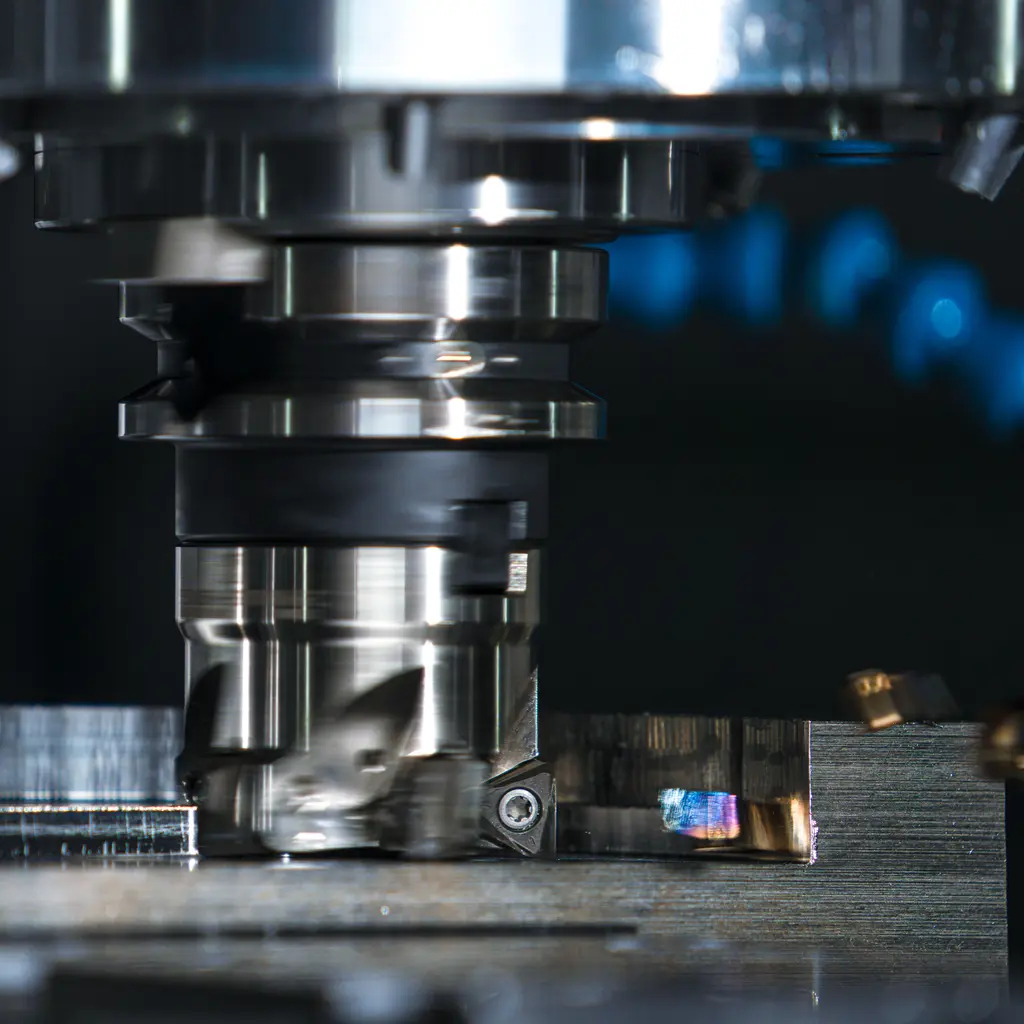
You build high-speed CNC lathes, mills, and grinders that require precision control logic and mechanical safeguards. A failure in guarding or software can cause accidents, while remote diagnostics introduce cyber and technology liability.
The Southern Agency can review your assembly and remote-service operations to help you select appropriate insurance. For example, we can help distinguish between a product-liability claim for a machine operator's injury and financial loss from software or cyber events.
If a finished machine's safeguarding, interlock, or emergency stop is defective, a customer's operator can suffer serious injury, driving product liability claims.
Faulty control logic or programming in a delivered machine can cause unexpected motion or damage, blending product and technology-errors exposure.
Running machines under power for testing exposes assemblers to entanglement, struck-by, and crush incidents.
Handling machine bases and spindles with cranes and presses creates crush and lifting injuries for the workforce.
Failure of the firm's own machining centers or metrology equipment can stall production of made-to-order machine tools.
Networked diagnostics and remote support create avenues for system compromise and data exposure, depending on connectivity.
Policies to ask about. Which ones fit depends on your operations, your contracts, and the carrier’s forms.
These hypothetical examples are not agency claim results. Whether a loss is covered depends on the facts, policy terms, and applicable exclusions.
A customer's operator is injured when a machine's interlock allegedly fails to stop motion. Product liability may respond to defense and damages, depending on policy terms and the facts.
A programming defect causes unexpected motion that scraps a production run. Coverage response depends on whether the policy addresses the property damage and the specific terms and exclusions.
The firm's own machining center fails electrically, stalling machine assembly. Equipment breakdown coverage may help with repair and income loss, depending on policy terms.
Start with the work you do and the questions your current policies leave unanswered. Carrier options depend on your location, risk, and underwriting. Explore our approach.
A guarding, interlock or motion-control defect can be alleged to injure a customer’s operator. Check the machines and applications insured and the injury or damage alleged. Correcting the machine, replacing workpieces, lost production, and recall are separate questions.
Explain who writes the code, integrates it, and maintains safety functions or updates. Operator injury and damaged workpieces differ from correcting software or paying solely financial losses. Check product and technology-service terms rather than allocate the claim simply because software caused it.
Map remote diagnostics, network access, and update responsibilities. Compare response for your own systems with liability involving customer systems and the policy’s injury restrictions. Ordinary programming errors and customer outages are not necessarily covered security events.
Identify covered internal damage and the time to repair, calibrate, and restart. Check purchased stock and income terms. Property fire coverage differs from breakdown, and wear, drift or a missed delivery date alone does not establish a claim.
Describe the employees, jurisdiction, and energized test and assembly duties. Qualifying benefits follow state rules. Visitor liability does not replace employee protection or determine a contractor’s status.
Bring machine types, guarding responsibilities, end uses, installed-unit numbers, and claims. Consider possible operator and other-equipment losses, then compare the primary and excess limits offered. No single limit or available capacity applies to all machine-tool makers.
Bring your questions, current policies, and relevant contracts. An agent can review coverage terms, exclusions, and the information carriers ask for, then explain the options available to you.