

Tailings
Containment failure can harm surrounding land and water.
Try a different word, or check the spelling.
Your recovery route determines whether acid handling, flotation equipment or other circuits are part of the work. Plant and environmental protection should match that route and its history, with tailings, drainage, and lost output distinguished from ordinary site liability.
Bring actual recovery chemistry, containment history and plant/fleet values, with the dependencies behind your measured production income.
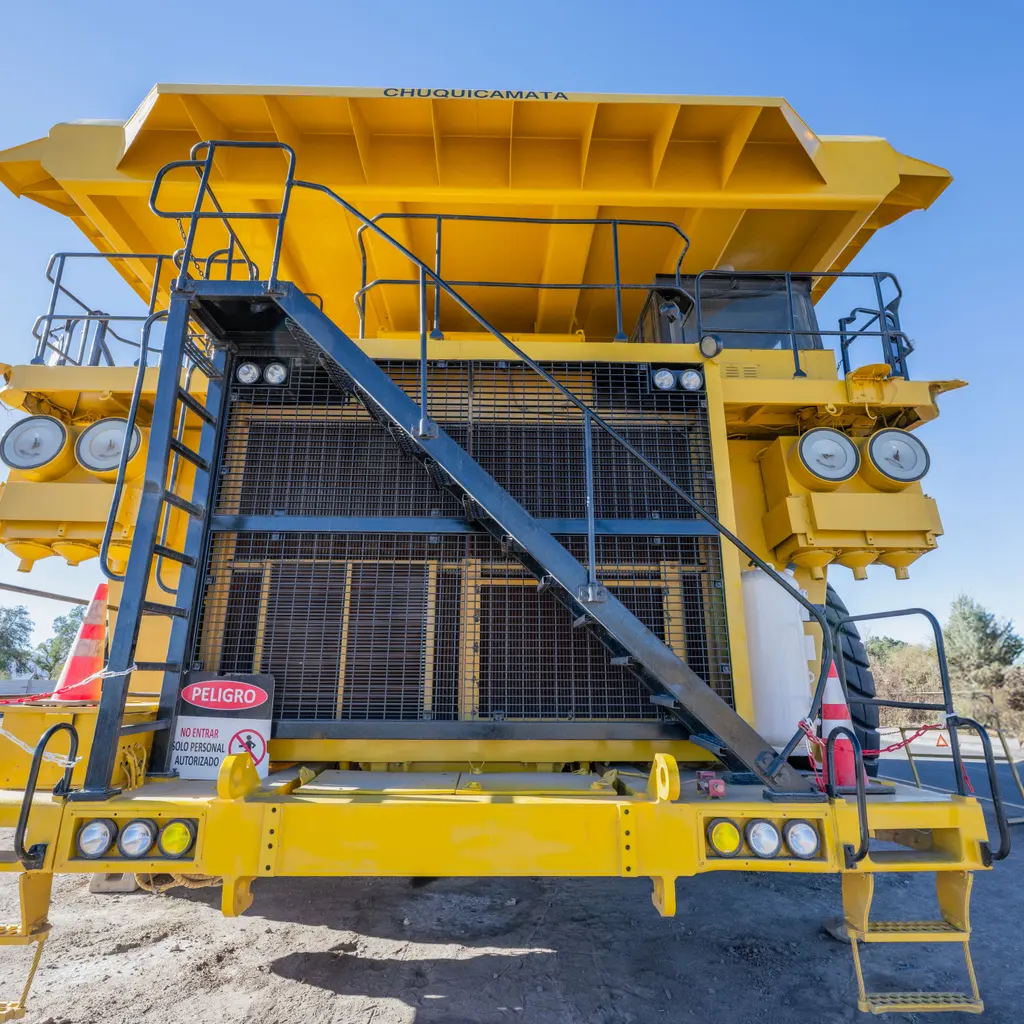
You operate mine sites involving excavation, crushing, and mineral recovery, such as flotation or acid leaching. These processes involve mobile fleets and chemical systems where one malfunction can halt your production.
The Southern Agency can review your actual recovery process and equipment to help you select appropriate insurance. We can compare machinery and production-income terms alongside chemical handling, tailings and drainage interests.
Containment failure can harm surrounding land and water.
Acid handling or leach-system damage can cause exposure and releases.
Waste rock and ore conditions can contribute to contaminated runoff.
Mills, recovery circuits, and haul equipment can fail or be damaged.
Chemical or machinery injuries and lost output affect different insured interests.
Policies to ask about. Which ones fit depends on your operations, your contracts, and the carrier’s forms.
These hypothetical examples are not agency claim results. Whether a loss is covered depends on the facts, policy terms, and applicable exclusions.
Suppose a damaged leach liner lets process solution migrate toward groundwater. Review the actual chemistry, release history and insured site under environmental terms. Prior or gradual conditions, containment repair and cleanup duties are separate questions; the damaged liner does not establish all costs are insured.
Suppose an internal mill gearbox failure interrupts recovery. Accepted breakdown terms determine eligible repairs; purchased production income depends on its trigger and restoration period. Metal-price movement and missed sales commitments do not become covered merely because the mill stopped.
Suppose a haul truck catches fire on the mine site. Compare the actual scheduled unit, accepted mining use and valuation with the fire terms. Damage to surrounding plant, environmental effects and interrupted output require their own interests and causes rather than all following the truck's value.
Start with the work you do and the questions your current policies leave unanswered. Carrier options depend on your location, risk, and underwriting. Explore our approach.
Tailings and chemical events can be consequential, but priority depends on the site's actual process and controls.
Property and breakdown address different causes affecting the concentrator.
Off-road equipment needs schedules and values matching its use.
Excess needs compatible underlying scope, especially for pollution.
Market prices may affect measured income; price movement alone does not trigger cover.
Process, containment, values, payroll, and losses affect terms; no universal rate applies.
Bring your questions, current policies, and relevant contracts. An agent can review coverage terms, exclusions, and the information carriers ask for, then explain the options available to you.