

Valuable product
Doré or concentrate can be stolen in storage or transit.
Try a different word, or check the spelling.
Your doré or concentrate changes custody and value as it moves from recovery to storage and shipment. Precious-metal theft and transit terms should identify those stages, rather than rely on cash cover, an inventory shortage or a mobile-equipment policy.
Talk with The Southern Agency about your operation, policy terms, and the information carriers need.
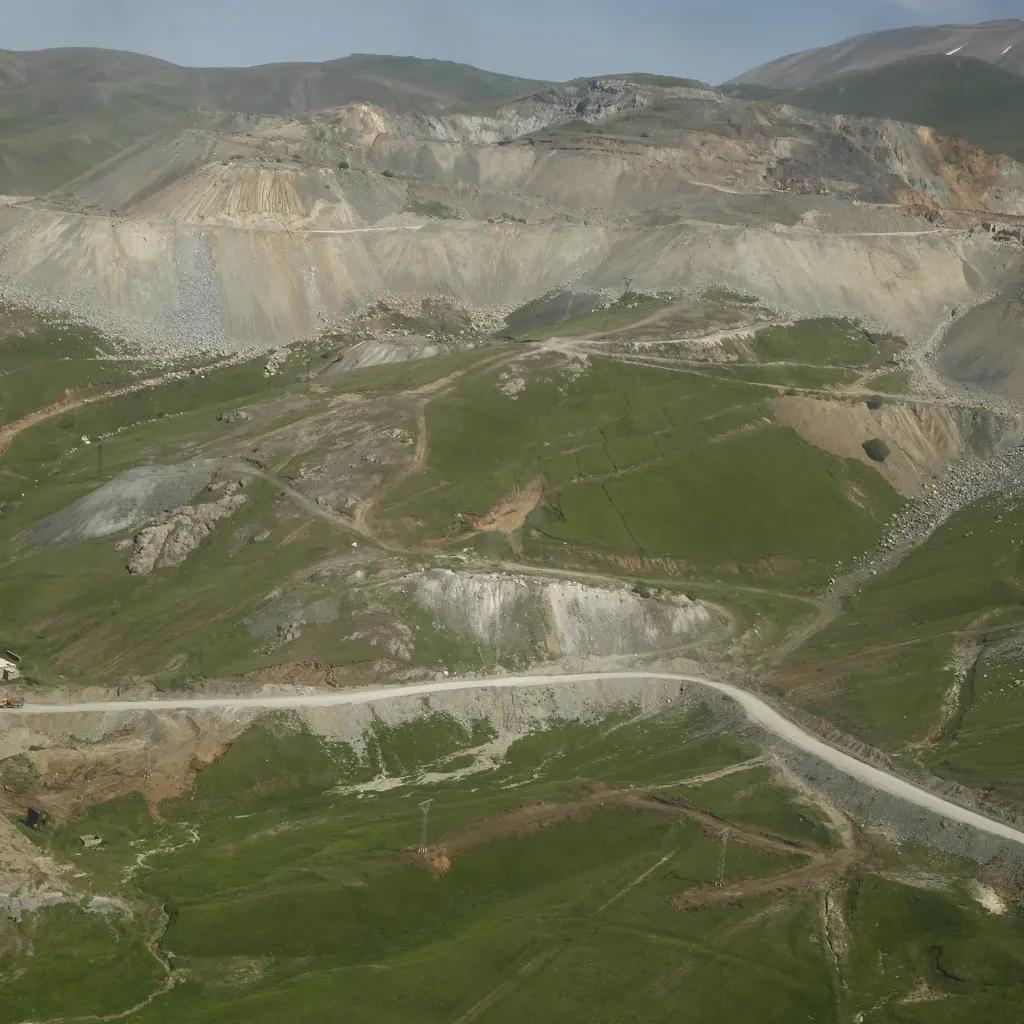
You manage mining operations that extract, process, and store high-value gold doré. These assets are sensitive to both mechanical failures in your recovery circuit and security risks regarding theft.
The Southern Agency can review your entire recovery process and inventory movement to help you select effective insurance. We can discuss how to structure your program to address both production equipment breakdown and specific risks to valuable finished inventory.
Doré or concentrate can be stolen in storage or transit.
Employee theft and unexplained shortages require different evidence.
Cyanide or other chemicals may be used, depending on the process.
Residues and any relevant metals can affect soil or water.
Mills, mobile equipment, and chemical work create property and injury exposure.
Policies to ask about. Which ones fit depends on your operations, your contracts, and the carrier’s forms.
These hypothetical examples are not agency claim results. Whether a loss is covered depends on the facts, policy terms, and applicable exclusions.
A reconciliation finds doré missing from secured storage. Investigate whether theft occurred and compare the precious-metal, handler and proof provisions of any crime policy. An unexplained inventory shortage alone may not qualify.
Recovery solution escapes containment and affects neighboring soil. Environmental terms may address covered cleanup or third-party claims if the chemical, release and site are included. Routine containment upgrades and regulatory penalties require separate review.
A doré shipment disappears between the mine and refiner. Bullion-specific transit terms need to fit the owner, route, carrier and custody stage, with enough value insured. Scheduling mobile mining equipment does not establish protection for the metal.
Start with the work you do and the questions your current policies leave unanswered. Carrier options depend on your location, risk, and underwriting. Explore our approach.
High-value inventory needs explicit precious-metal and theft provisions, not a generic crime assumption.
Transit must accept bullion, declared values, routes, and custody arrangements.
Review the actual process; cyanide, tailings and any mercury-related interests are not identical at every operation.
Machinery repair and production-income protection need separate qualifying terms.
Employee duties and applicable rules determine injury benefits.
Chemistry, values, security, shipment arrangements, and losses influence underwriting.
Bring your questions, current policies, and relevant contracts. An agent can review coverage terms, exclusions, and the information carriers ask for, then explain the options available to you.