

Loaded vehicles
Grades, braking, and dumping can lead to rollovers.
Try a different word, or check the spelling.
An off-highway hauler is not automatically treated like a road-going truck. Your liability and load protection need to follow the actual unit and the route—not just the name on the haul contract.
Talk with The Southern Agency about your operation, policy terms, and the information carriers need.
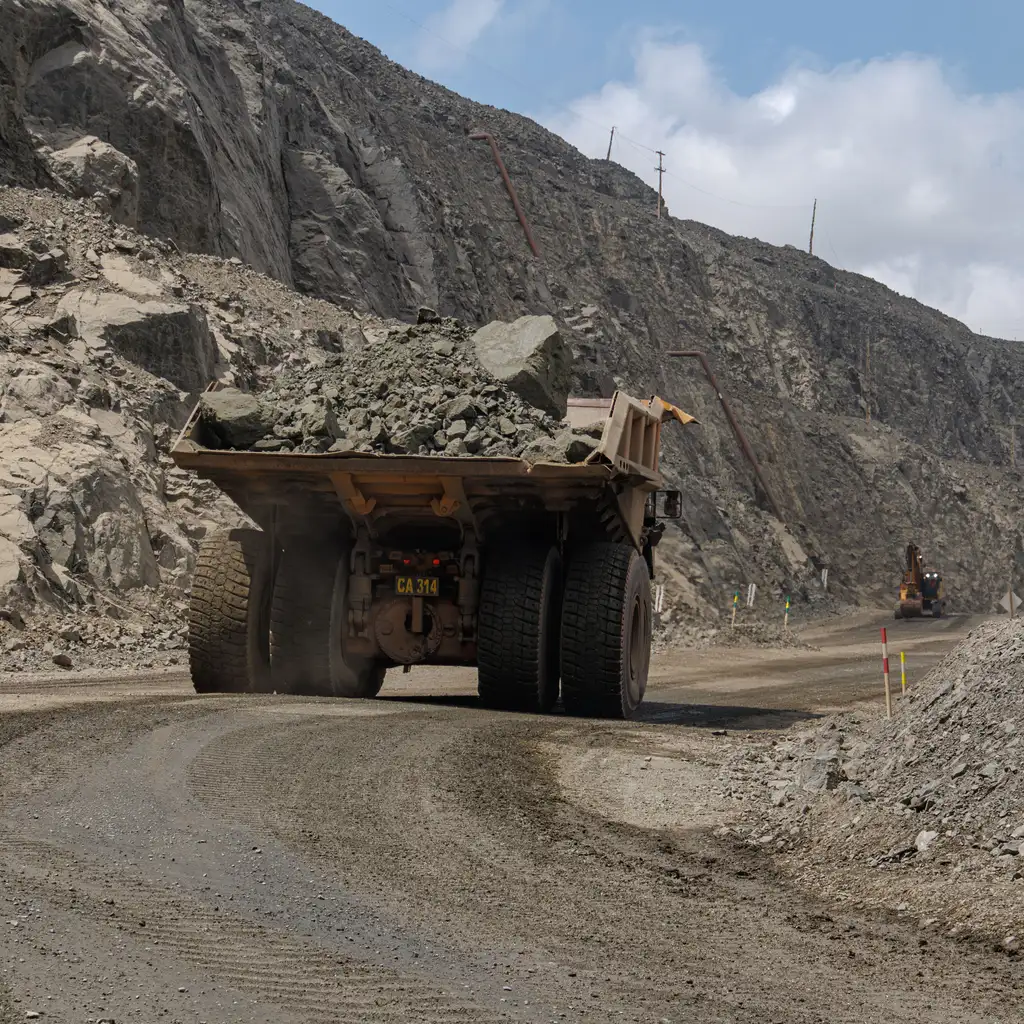
You transport rock or concentrate between pits, plants and loadouts, often moving between private roads and public highways. A rollover or collision can damage your truck, result in loss of cargo and cause driver injury.
The Southern Agency can review your fleet and routes to help select appropriate insurance. For example, we can assess whether your policy covers your heavy-truck liability on public roads and how cargo terms handle the specific commodities you haul.
Grades, braking, and dumping can lead to rollovers.
Heavy trucks can cause serious third-party injury or damage.
Spilled or damaged concentrate can create cargo and cleanup questions.
Damaged units can interrupt hauling revenue.
Long shifts, loading, and dust can affect employee injury exposure.
Policies to ask about. Which ones fit depends on your operations, your contracts, and the carrier’s forms.
These hypothetical examples are not agency claim results. Whether a loss is covered depends on the facts, policy terms, and applicable exclusions.
A loaded truck overturns on a mine grade. Selected physical-damage terms may pay covered truck repairs, while accepted cargo terms address the load and workers' compensation arrangements address a covered employee injury. Confirm private-road and unit definitions; those interests are not insured by one truck limit.
A haul truck collides with a car on a public-road segment and the occupants seek damages. Accepted auto liability may defend and pay covered claims, with compatible excess only under its own underlying and attachment terms. Declared routes and unit classification still matter.
Concentrate spills while a load is being handled and the mine demands replacement and cleanup. Cargo may address covered loss to the accepted commodity, but loading duties and cause restrictions matter. Compare recovery of the load with any separate pollution cleanup; neither payment follows merely because a truck was insured.
Start with the work you do and the questions your current policies leave unanswered. Carrier options depend on your location, risk, and underwriting. Explore our approach.
Auto, physical damage, cargo, and driver benefits are distinct interests matched to actual routes.
A wreck must fit the cargo commodity, cause, and carriage terms.
Private-road use and off-highway units need express review under vehicle definitions.
Severe covered road claims may require compatible excess limits.
Use the mining client's actual limits and endorsements rather than a universal minimum.
Driving history and experience affect underwriting without guaranteeing lower premiums.
Bring your questions, current policies, and relevant contracts. An agent can review coverage terms, exclusions, and the information carriers ask for, then explain the options available to you.