

System failure
A pump or generator failure can stop groundwater control before a crew returns to the site. The repair bill and responsibility for the resulting water rise are different exposures.
Try a different word, or check the spelling.
When pumping stops, the water does not wait for a repair crew. Review the client's excavation damage separately from the cost of getting your system running again.
Talk with The Southern Agency about your operation, policy terms, and the information carriers need.
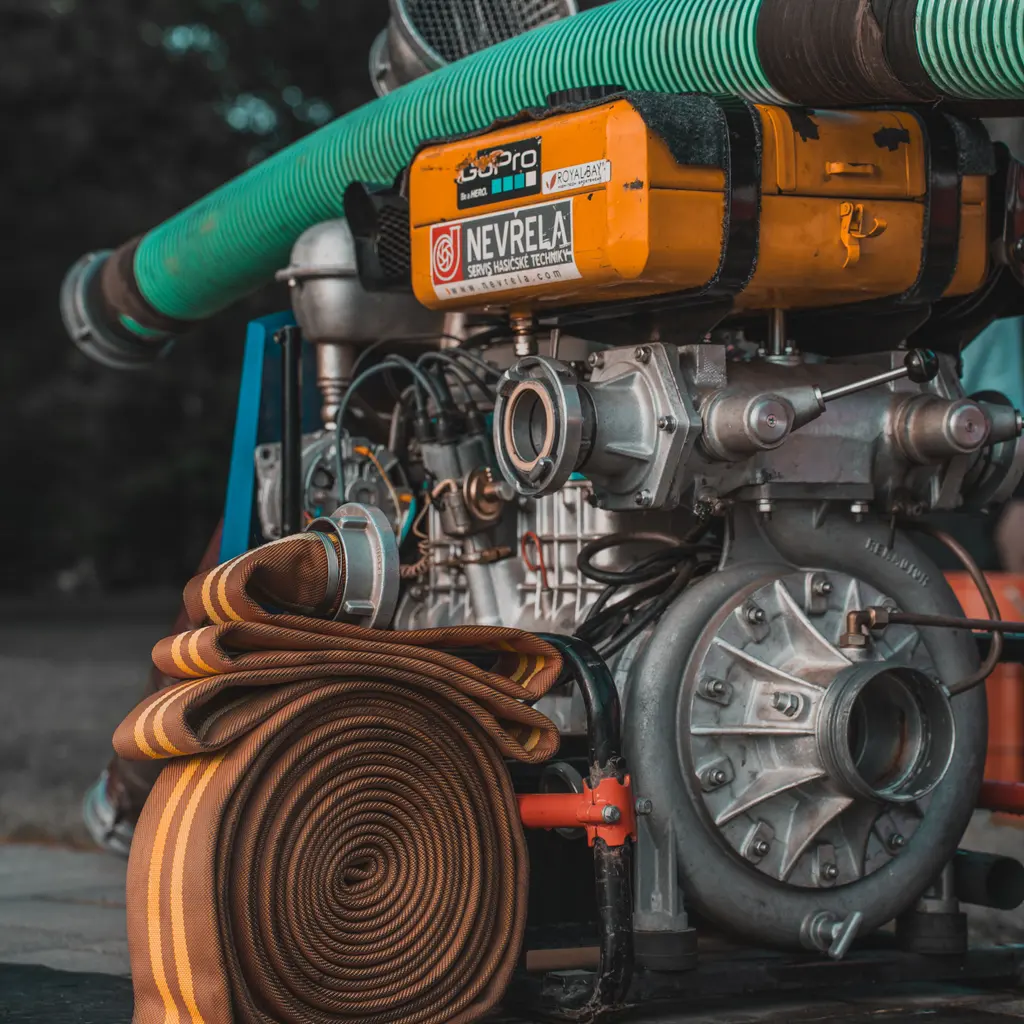
You deploy pumps, sumps, and well points to keep excavation sites workable. A failed system can lead to flooding on a client's site, and your discharge can potentially impact nearby water sources.
The Southern Agency can review your field operations and equipment fleet to help you select appropriate insurance. We can discuss your needs for site-damage liability and breakdown coverage for pumping equipment deployed away from your own premises.
A pump or generator failure can stop groundwater control before a crew returns to the site. The repair bill and responsibility for the resulting water rise are different exposures.
Rising water can damage work in progress or client equipment in an excavation. A promise to keep the site dry may go beyond insured liability for resulting damage.
Discharged groundwater may carry sediment or contaminants beyond the site. Testing and discharge duties affect who must respond and which pollution terms need review.
Pumps and generators may stay at an unattended job for extended periods. Theft, weather damage and rented-equipment responsibility need values and terms that follow the deployment.
Energized equipment, unstable banks, and hauling create injury risks.
Policies to ask about. Which ones fit depends on your operations, your contracts, and the carrier’s forms.
These hypothetical examples are not agency claim results. Whether a loss is covered depends on the facts, policy terms, and applicable exclusions.
Sediment-laden discharge reaches a stream and the service faces a cleanup demand. Environmental terms may address covered defense or remediation if the discharge, location and reporting conditions fit. Responsibility for testing the water should be clear in the job agreement.
A deployed pump stops overnight and rising water damages client equipment in the pit. Review the pump failure under eligible machinery terms and the client claim under site-liability terms. Neither a repair payment nor a promise of continuous pumping establishes the other protection.
A generator is stolen from an unattended jobsite. Mobile-equipment coverage may address an included unit, subject to its value, location and theft conditions. Check rented-equipment responsibility and security requirements before relying on replacement protection.
Start with the work you do and the questions your current policies leave unanswered. Carrier options depend on your location, risk, and underwriting. Explore our approach.
Water containing pollutants may fall outside ordinary liability; examine environmental provisions.
Mobile equipment needs scheduled values, sites, transit, and perils.
Client flood damage depends on legal responsibility and liability terms, separate from pump repair.
Use each client's actual insurance requirements and endorsements.
Service income needs a qualifying cause and applicable interruption period.
Remote work requires correct duties, territories, and injury arrangements; ordinary compensation is not automatically emergency evacuation cover.
Bring your questions, current policies, and relevant contracts. An agent can review coverage terms, exclusions, and the information carriers ask for, then explain the options available to you.