

Skip to content

Mining & Quarrying Insurance

Not every job at an active mine puts you in charge of the same work. Your insurance should reflect the extraction, processing or support role you take, without assuming general site protection includes every underground, blasting or reclamation obligation.

The Southern Agency can help you review your site risks and operational insurance needs.
Explore insurance for 19 business types.

Find your business

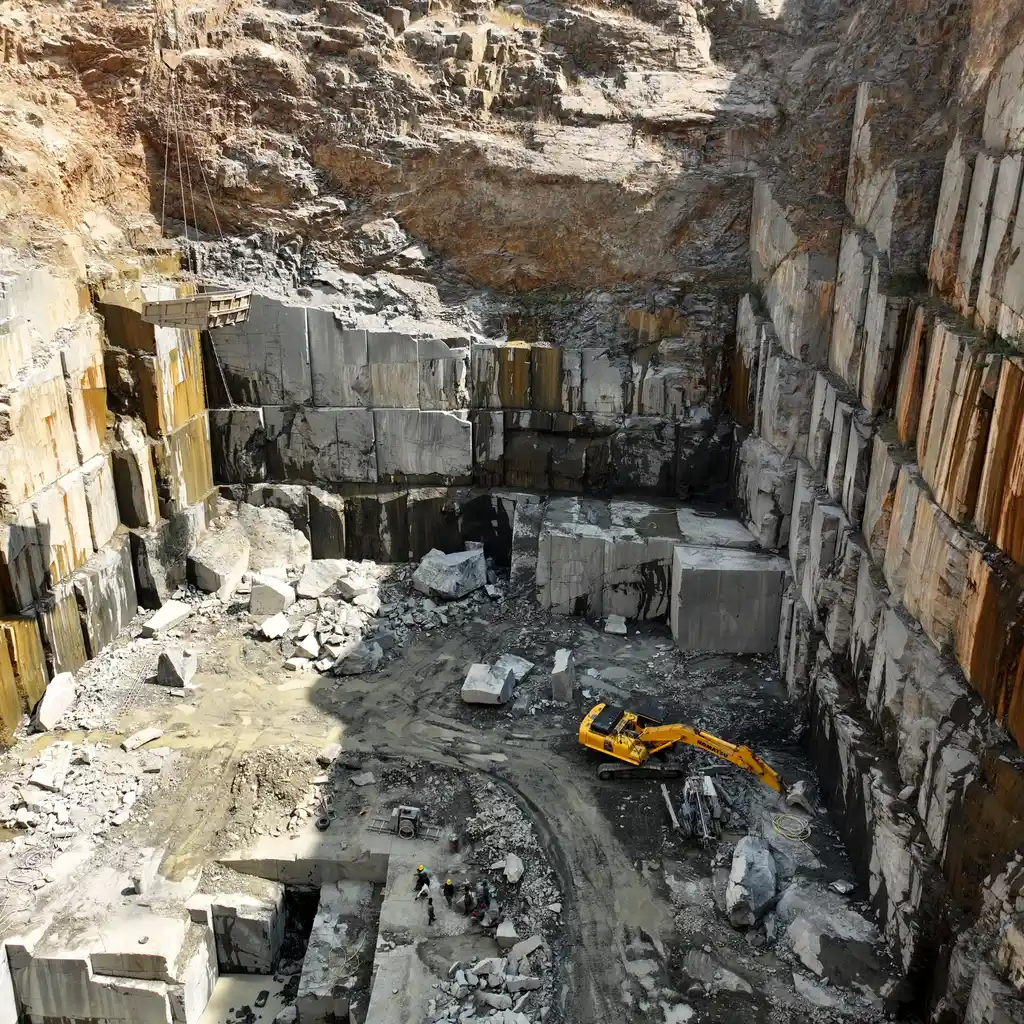
An excavator working among cut stone blocks at the bottom of a quarry.

Operations within this group

You may extract stone, minerals or other materials or provide support at an active site. Heavy machinery, excavation, and processing can lead to worker injuries or damaged equipment, while a release may affect surrounding land or water.

The Southern Agency can review your extraction methods and site duties to help you select insurance. We can discuss employee, equipment and environmental protection, keeping routine reclamation or permit obligations separate from covered pollution losses.

Find your business

Choose your business type to discuss insurance with The Southern Agency. If it isn’t listed, call an agent to ask whether we can place it.

  1. Blasting and Explosives ServiceBlasting service insurance considers flyrock, vibration, explosives transport, and the people working each shot.
  2. Clay and Kaolin MineClay and kaolin mine insurance considers wet processing, mobile extraction equipment, and buyer-quality obligations.
  3. Copper MineCopper mine insurance considers extraction assets, recovery chemistry, tailings, and processing-dependent income.
  4. Core Sampling LaboratoryCore sampling laboratory insurance considers analytical errors, client samples, instruments, and confidential exploration data.
  5. Dewatering ServiceDewatering service insurance considers deployed pumps, groundwater discharge, and damage a failed system can cause.
  6. Gold Mining OperationGold mining insurance considers recovery chemistry, valuable finished inventory, and equipment throughout extraction.
  7. Iron Ore Extraction SiteIron ore site insurance considers continuous processing, off-road fleets, loadout infrastructure, and worker exposure.
  8. Limestone QuarryLimestone quarry insurance considers blasting, aggregate processing, customer trucks, and sold-product claims.
  9. Mine Equipment MaintenanceMine equipment maintenance insurance considers completed repairs, customer machinery, mobile tools, and service trucks.
  10. Mineral Exploration FirmMineral exploration insurance combines technical-report liability with remote fieldwork and mobile instruments.
  11. Mining Safety ConsultantMining safety consultant insurance considers audit advice, training, active-site visits, and confidential client records.
  12. Ore Hauling CompanyOre hauling insurance considers loaded trucks, private and public routes, cargo and driver injuries.
  13. Overburden Removal ContractorOverburden removal insurance considers slopes, spoil placement, earthmoving fleets, and contractor duties.
  14. Rare Earth Mineral MineRare earth mine insurance considers separation chemistry, residues, plant dependencies, and buyer requirements.
  15. Sand and Gravel PitSand and gravel pit insurance considers wet processing, dredges, customer loading, and sediment runoff.
  16. Stone Quarrying OperationDimension stone quarry insurance considers intact blocks, rigging, precision finishing, and fragile inventory.
  17. Surface Coal MineSurface coal mine insurance considers stripping equipment, coal fires, disturbed land, and production dependencies.
  18. Underground Coal MineUnderground coal mine insurance considers crews, atmosphere, roof conditions, and hard-to-recover equipment.
  19. Ventilation and Air Quality ServiceMine ventilation service insurance considers airflow advice, installed systems, portable monitors, and underground crews.

Risks across this group

Severe workforce hazards

Heavy equipment, explosives, and extreme conditions create serious injury exposure.

Equipment loss

Large, specialized equipment is extremely costly to repair or replace.

Environmental impact

Disturbing land and processing materials creates pollution and reclamation exposure.

Catastrophic incidents

Collapses, blasts, and failures can produce severe, high-cost claims.

Regulatory compliance

Strict safety and environmental oversight shapes operations and liability.

Property and infrastructure

Processing facilities and infrastructure represent substantial values.

Situations to think through

These hypothetical examples are not agency claim results. Whether a loss is covered depends on the facts, policy terms, and applicable exclusions.

  1. Hypothetical: Equipment damage

    Major equipment is damaged in an operational incident. Property or equipment coverage may help with repair or replacement, subject to policy terms.

  2. Hypothetical: Environmental impact

    Operations cause a pollution condition requiring cleanup. Environmental liability may help respond, subject to terms.

  3. Hypothetical: Worker injury

    A worker is seriously injured on site. Workers compensation may help with medical care and lost wages, subject to state rules.

Before you talk to an agent

What to have ready

Tick items as you gather them. Nothing here is saved or sent.

Questions to raise

  • Treat reclamation bonds and permit financial assurance separately from liability insurance. Obtain the authority's required form and amount; a surety bond can create reimbursement obligations for the operator.
  • List crushers, draglines, conveyors, and other bottleneck equipment with replacement lead times. Review covered breakdown and income terms as well as physical-damage values.
  • Disclose public-road hauling, contracted blasting, and work for other operators. Separate the mine owner's responsibilities from those of haulers, consultants, laboratories, and service contractors.

Contract terms to check

  • Bring mineral leases, landowner agreements, supply contracts, equipment finance schedules, and permit financial-assurance conditions. Review limits, additional-insured requests, blasting responsibilities, and reclamation obligations separately. Requirements depend on the material, mine, jurisdiction, and contract; this overview does not establish permit compliance.

What the agent conversation looks like

Start with the work you do and the questions your current policies leave unanswered. Carrier options depend on your location, risk, and underwriting. Explore our approach.

  1. ListenReview your operations, current coverage, and past claims.
  2. AssessIdentify potential hazards and discuss ways to reduce risk.
  3. BuildDiscuss policy and carrier options, premium costs, and audits.
  4. SupportReview changes and help you plan ahead as your needs develop.

Questions owners ask

Why are mining and quarrying considered high-hazard?

The combination of heavy equipment, explosives, and extreme environments creates severe injury and incident potential, which shapes coverage and pricing.

Is environmental coverage essential here?

Extraction disturbs land and can cause pollution. Standard general liability commonly excludes pollution, which makes environmental coverage a consideration for mining operations.

How is large equipment insured?

Large, specialized equipment often requires dedicated property or equipment coverage given its value and operational exposure.

Why might reclamation matter for insurance?

Regulators may require assurances that disturbed land will be reclaimed, which can intersect with bonding and environmental coverage.

Are high liability limits common in this sector?

The catastrophic severity potential of mining operations may necessitate high limits and umbrella coverage, which are sometimes required by contracts or regulators.

Tell us what your mining & quarrying business does

Bring your questions, current policies, and relevant contracts. An agent can review coverage terms, exclusions, and the information carriers ask for, then explain the options available to you.

How can we help you get started?

Choose the quote that fits, and we’ll take it from there.

Have a question? Contact us