

Analytical errors
Incorrect grades or calculations can lead to financial claims.
Try a different word, or check the spelling.
Your result depends on the sample's identity and custody record as well as the instrument reading. Professional and entrusted-sample protection should fit preparation and reporting, separately from repairing a spectrometer or responding to compromised exploration records.
The Southern Agency can review your reporting duties and sample custody alongside instrument, reagent-release and confidential-data insurance terms.
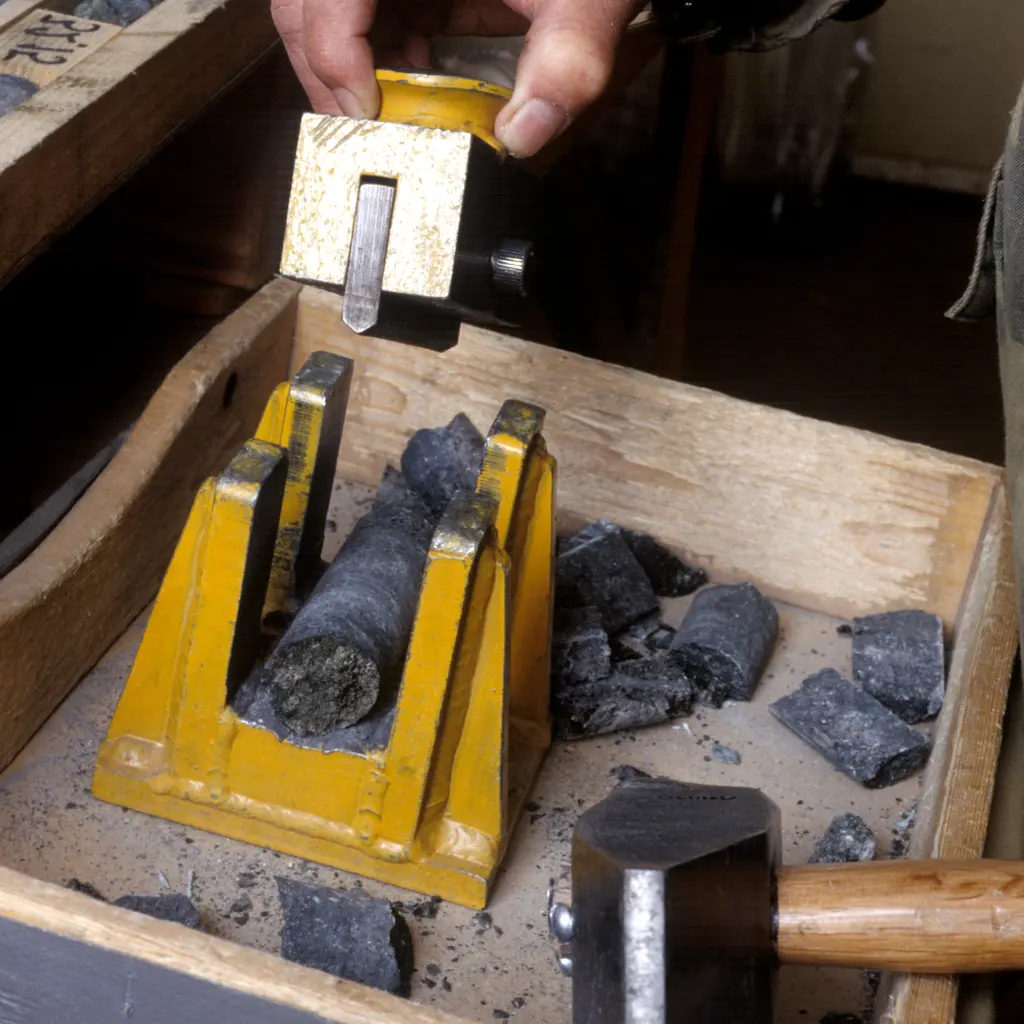
You provide analytical services for core samples, where accuracy is critical for your clients' financial decisions. An incorrect report can lead to claims about financial harm, even if physical property remains undamaged.
The Southern Agency can review your assay, sample preparation and reporting work to help compare insurance. We can look at liability for your services alongside client-sample custody, instruments and confidential records, without treating a property limit as protection for an incorrect result.
Incorrect grades or calculations can lead to financial claims.
Mix-ups and broken custody records can invalidate results.
Furnaces, crushers, and spectrometers can fail.
Acids, fluxes, and waste handling create injury and pollution concerns.
A breach can expose exploration and financing information.
Policies to ask about. Which ones fit depends on your operations, your contracts, and the carrier’s forms.
These hypothetical examples are not agency claim results. Whether a loss is covered depends on the facts, policy terms, and applicable exclusions.
A transcription error overstates a mineral grade, and the client alleges that it relied on the report when investing. Professional liability may help with covered defense and damages if the analytical and reporting duties are included. Review the alleged error, permitted reliance and contract exclusions rather than treating the claimed investment loss as an agreed insurance payment.
An internal electrical fault damages a furnace during a batch of client samples. Breakdown may help with covered machine repair. Sample replacement, retesting and interrupted income need their relevant interests and benefits; records of custody, what core remains and sample valuation help distinguish those costs.
Stolen credentials expose confidential assay reports and exploration records, prompting investigation and client demands. Cyber may help with covered incident response and accepted security or confidentiality claims. Compare the firm's commercial-data promises with the insured records, duties and response/reporting procedures.
Start with the work you do and the questions your current policies leave unanswered. Carrier options depend on your location, risk, and underwriting. Explore our approach.
Clients may rely financially on reported results; professional terms must include the actual analytical work.
Property and internal breakdown address different causes and need suitable instruments and values.
Reagent and disposal exposure needs specific environmental review.
Cyber protection depends on the confidential reports, systems, and event.
Stored or destroyed core needs express client-property terms; ordinary instrument insurance may not fit.
Review each client's real limits and endorsement requests rather than promising standard compliance.
Bring your questions, current policies, and relevant contracts. An agent can review coverage terms, exclusions, and the information carriers ask for, then explain the options available to you.