

Rigging
Crane or sling failure can drop heavy blocks.
Try a different word, or check the spelling.
Your architectural block can lose value through a crack, a wrong dimension, or a disputed finish, with different causes and remedies. Handling, processing and product protection should separate those interests from saw repair and liability for damage beyond the stone.
The Southern Agency can review the stone's ownership and value from extraction through delivery, along with the machinery and people handling it.
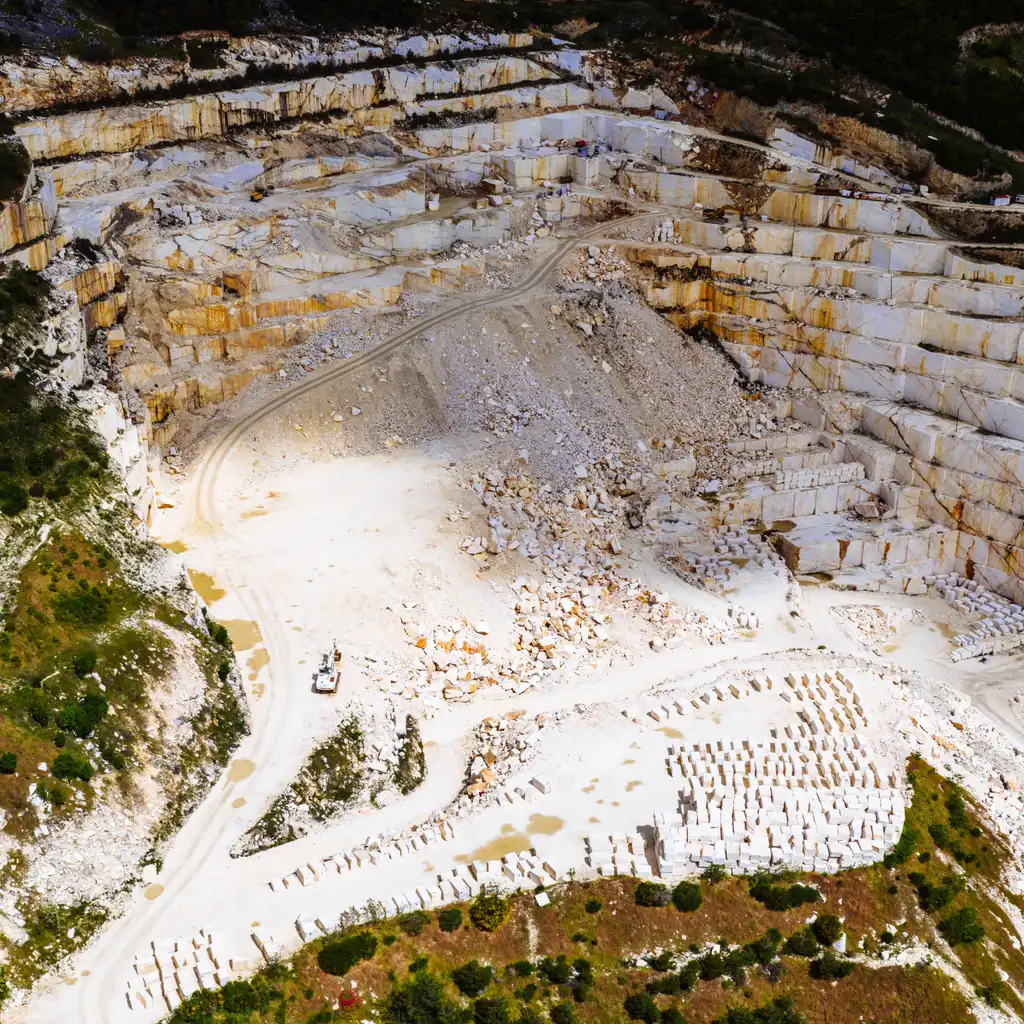
You extract large blocks and use saws or polishing systems to create architectural products. Rigging, cutting and finishing require precision and carry the risk of damaging valuable material.
The Southern Agency can review how you extract, lift, finish and deliver stone, including who owns the blocks at each stage. We can compare fragile-stock and processing terms with machinery repair, worker injuries and actual damage beyond your supplied stone, rather than treat a rejected finish as an insured property loss.
Crane or sling failure can drop heavy blocks.
Stone can crack during extraction, finishing, or transit.
Saws and polishing lines can fail.
Highwalls and actual mineral dust create crew hazards.
Color, finish, or dimensions can be disputed by buyers.
Policies to ask about. Which ones fit depends on your operations, your contracts, and the carrier’s forms.
These hypothetical examples are not agency claim results. Whether a loss is covered depends on the facts, policy terms, and applicable exclusions.
Suppose a sling fails while lifting a block, damaging the stone and crane and injuring an employee. Review worker benefits separately from the insured crane and block owner's interests. Stock processing/handling and rigging terms matter; one lifting accident does not put every loss under GL.
Suppose internal electrical damage stops a wire saw and dependent finishing work. Breakdown may address qualifying machine repair; selected stock/income terms have their own causes, waiting and restoration limits. Worn wire, a rough finish and every late customer delivery are different losses.
Suppose finished slabs crack when a load shifts in transit. Establish owner, packing, cause, route and handoff, then compare expressly accepted fragile-stone, breakage and valuation terms. Vehicle insurance, carrier responsibility and replacement promised to the buyer do not establish direct full-value stock recovery.
Start with the work you do and the questions your current policies leave unanswered. Carrier options depend on your location, risk, and underwriting. Explore our approach.
Identify raw, unfinished and finished stone, owner, peak values and locations, including delivery. Compare expressly accepted fragile-stone, processing, packing and breakage terms and valuation. Finished appearance, a buyer's price or insurance on the truck alone does not establish every slab insured.
Review the actual lift, crane/sling and stone owners and who was injured or whose property was damaged. Worker benefits, machine and stock protection, custody and other-party liability need distinct provisions. A dropped block is not automatically one GL claim for every interest.
Respirable silica exposure varies with stone and work; assess actual materials and controls.
Separate color, dimensions, finish and own-stone replacement from alleged injury or damage to other property. A rejected slab or buyer refund may remain a quality/contract remedy. Any offered financial-loss terms must expressly accept the product and allegation; ordinary product liability does not insure every rejection.
Breakdown may address qualifying internal saw or polishing-system damage; wear, consumables and routine maintenance are different. Compare the actual machine, repair and selected stock/income extensions with waiting periods and restart. A missed specification or late order alone is not an insured internal failure.
Methods, stone values, equipment, transport, payroll, and losses affect terms.
Bring your questions, current policies, and relevant contracts. An agent can review coverage terms, exclusions, and the information carriers ask for, then explain the options available to you.