

Floating plant
Dredges can burn, sink, or suffer machinery failure.
Try a different word, or check the spelling.
If you dredge, the floating equipment is a different property interest from a fixed wash plant or loader. Equipment and water-related liability terms should accept the actual work, with groundwater, discharge, and permit assurance reviewed separately.
The Southern Agency can review your dredge and processing plant alongside loading, water-management and permit-assurance responsibilities.
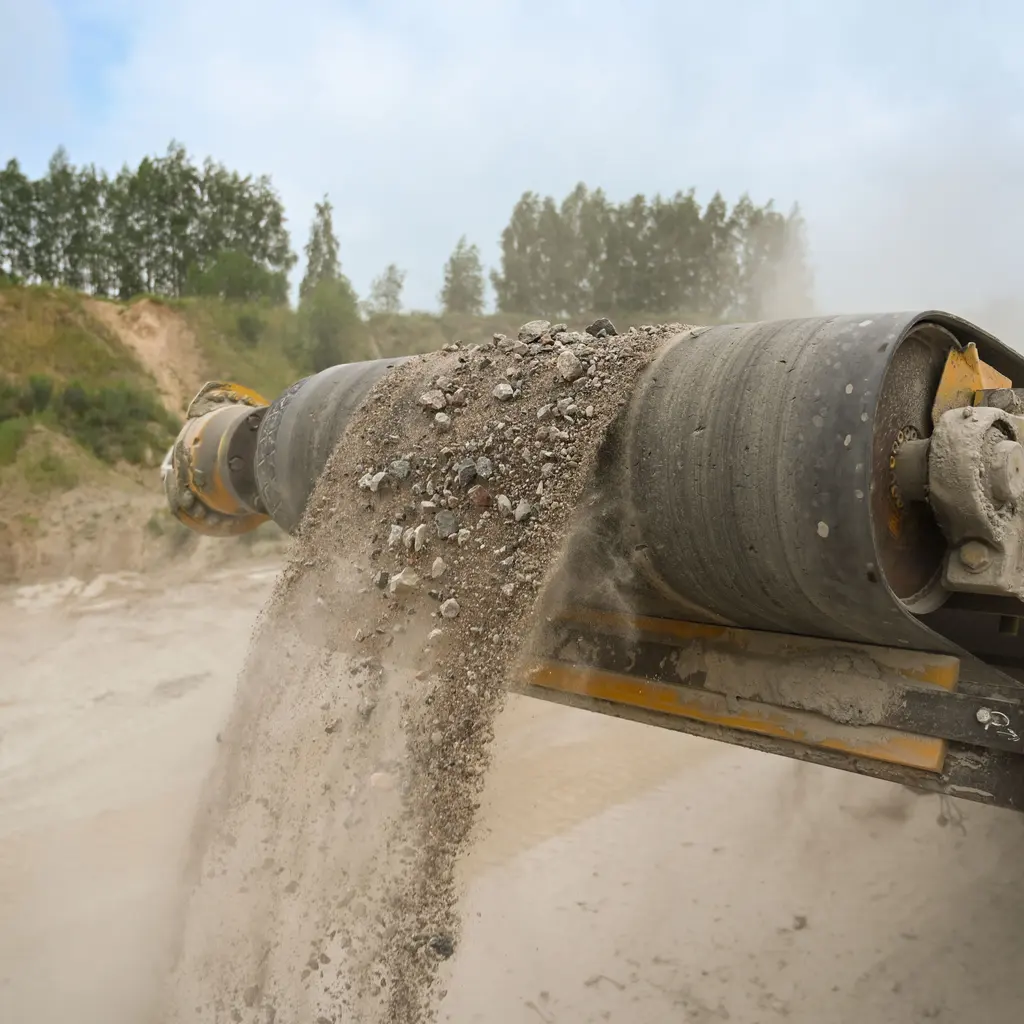
You excavate or dredge loose material and operate wash and screen plants for buyers. Ponds, floating assets, and sediment management create risks distinct from dry-land quarrying.
The Southern Agency can review your wet processing operations and customer loading areas to help select appropriate insurance. For example, we can discuss whether your inland marine covers specialized dredging equipment and how environmental liability addresses water discharge.
Dredges can burn, sink, or suffer machinery failure.
Water access creates drowning and visitor-injury concerns.
Wash plants and conveyors are production dependencies.
Loading areas and unstable piles threaten drivers and crews.
Sediment, groundwater changes, and restoration obligations need distinct review.
Policies to ask about. Which ones fit depends on your operations, your contracts, and the carrier’s forms.
These hypothetical examples are not agency claim results. Whether a loss is covered depends on the facts, policy terms, and applicable exclusions.
A fire damages a dredge and it sinks in the pit pond. Accepted floating-property or specialist hull terms may help with covered damage or loss where fire and sinking are included. Raising, recovery, wreck removal and any release costs need their own applicable provisions; a generic mobile-equipment listing does not establish them.
A customer driver slips near the scale and alleges unsafe walking conditions. GL may help with covered defense and damages if the premises facts fit its terms. Investigate the condition and any loading or vehicle involvement rather than assume an injury on site automatically makes the pit liable.
A settling-pond release carries sediment into a creek and prompts a cleanup demand. Environmental terms may help if the location, substance, cause and cleanup obligation are included. Review prior conditions and reporting, separately from routine water treatment, permit corrections or reclamation work.
Start with the work you do and the questions your current policies leave unanswered. Carrier options depend on your location, risk, and underwriting. Explore our approach.
Confirm floating-equipment, sinking, and machinery terms explicitly; ordinary mobile-plant cover may exclude them.
Ponds create injury exposure even without public operations; access and liability wording matter.
Runoff and groundwater effects need separate cause and scope review.
Loading responsibilities, premises conditions, and auto exclusions determine treatment.
The specific permit governs acceptable assurance; availability is not promised.
Dredging, values, water controls, traffic, payroll, and losses affect underwriting.
Bring your questions, current policies, and relevant contracts. An agent can review coverage terms, exclusions, and the information carriers ask for, then explain the options available to you.