

Ground movement
Cutting and stacking can cause slides or subsidence.
Try a different word, or check the spelling.
Where you leave the overburden can affect runoff and neighboring land. Review spoil and slope responsibilities separately from machine damage and the restoration you promise.
The Southern Agency can review your stripping scope, fleet interests and operator agreements, keeping damage claims separate from required financial assurance.
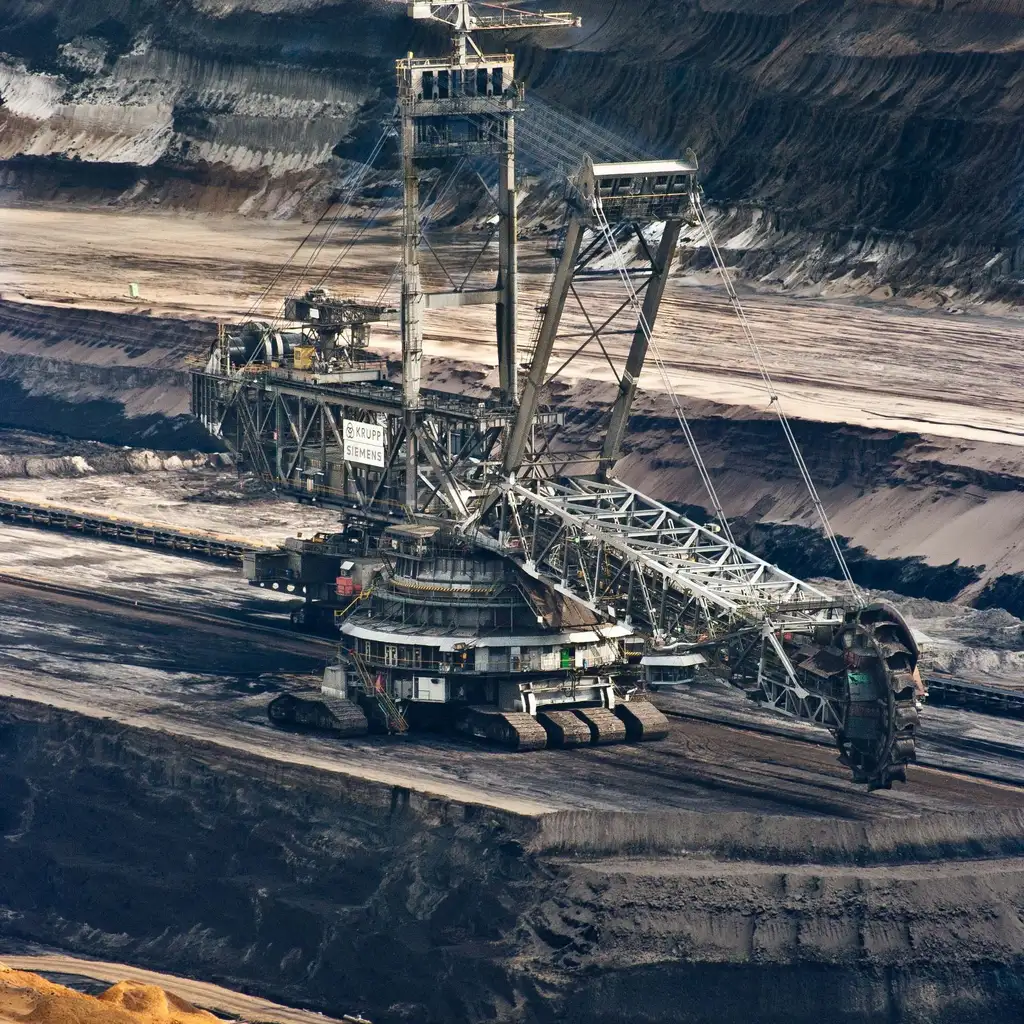
You relocate material above mineral deposits, which may involve managing slopes and drainage. A slope failure can damage adjacent land, while unstable ground can lead to excavator damage.
The Southern Agency can review your equipment and site responsibilities to help select appropriate insurance. For example, we can discuss how inland marine may protect your fleet against physical damage while environmental liability addresses potential spoil and drainage issues.
Cutting and stacking can cause slides or subsidence.
Rugged grades expose large machines to overturn or fire.
Highwalls and moving equipment create severe injury hazards.
Spoil placement can redirect runoff or carry sediment into a stream or neighboring property. Investigation, cleanup and third-party demands may follow even if no machine is damaged.
Performance and restoration promises may create financial duties beyond physical loss.
Policies to ask about. Which ones fit depends on your operations, your contracts, and the carrier’s forms.
These hypothetical examples are not agency claim results. Whether a loss is covered depends on the facts, policy terms, and applicable exclusions.
Hypothetical: a spoil slope moves after heavy rain and damages a neighboring building or road. GL may help with an included third-party claim only if the work, movement and damage fit actual terms. Repairing the contractor's cut, replacing spoil and satisfying a restoration promise are different costs; contamination allegations also need the applicable pollution grant.
Hypothetical: an excavator overturns on a working grade and is damaged. Accepted contractor-equipment terms may pay qualifying repair or replacement based on the insured interest, cause and valuation. Verify leased-machine duties and site use; operator injury, wear, mechanical repair unrelated to the overturn and loss of contract income do not automatically follow a machine payment.
Hypothetical: runoff from a spoil area carries sediment into a stream and the contractor faces response and third-party demands. Environmental terms may help if the condition, activity, location and requested costs fit the pollution grant and reporting terms. Drainage repair, routine erosion control, fines and promised land restoration need separate review; sediment in a stream alone does not establish every insured cleanup expense.
Start with the work you do and the questions your current policies leave unanswered. Carrier options depend on your location, risk, and underwriting. Explore our approach.
Earth movement and subsidence can be restricted; inspect actual primary and excess terms.
Bring current owned and leased excavator, dozer and scraper values, lease duties and actual working and transport locations. Compare covered causes, valuation and any item-specific requirements under the offered equipment terms. Machine damage, mechanical breakdown and lost contract income do not automatically share one grant.
Read the specific contract or permit for the required mechanism, obligee, amount and wording. If it requests a bond, that bond and applicant need surety acceptance. Liability insurance or a certificate does not establish that an assurance obligation is satisfied.
Review it where spoil and drainage can carry sediment or other material off site. Applicable environmental terms may help with included investigation, cleanup or third-party claims, but the condition, locations, responsibilities and reporting must fit. Ordinary slope repair, erosion control or promised reclamation is not automatically insured cleanup.
Workers compensation may provide medical and qualifying wage benefits for covered work injuries. Describe actual employers, operator duties, sites and jurisdictions, including any applicable mine-work obligations. Remote location, a contractor title or a certificate does not establish every worker's policy protection.
An operator may request particular limits, insured parties, waivers or certificates. Use the actual agreement and compare the request with issued endorsements and accepted work. A certificate is evidence of stated insurance, not an amendment or proof that every indemnity or reclamation promise is insured.
Bring your questions, current policies, and relevant contracts. An agent can review coverage terms, exclusions, and the information carriers ask for, then explain the options available to you.