

Accident and maintenance allegations
After a crash, you can be named over an alleged maintenance failure even when a lessee was driving. Identify who had repair duties and what is alleged rather than assuming the lease prevents an owner being named.
Try a different word, or check the spelling.
When a lease ends, your truck can be idle on the lot before another business takes it out again. Lessor and physical-damage protection need that change in use, with maintenance duties and any contingent protection distinguished from the lessee's insurance.
The Southern Agency can help compare your lease and maintenance duties with the actual lessor interests insured while trucks are leased out or back on your lot.
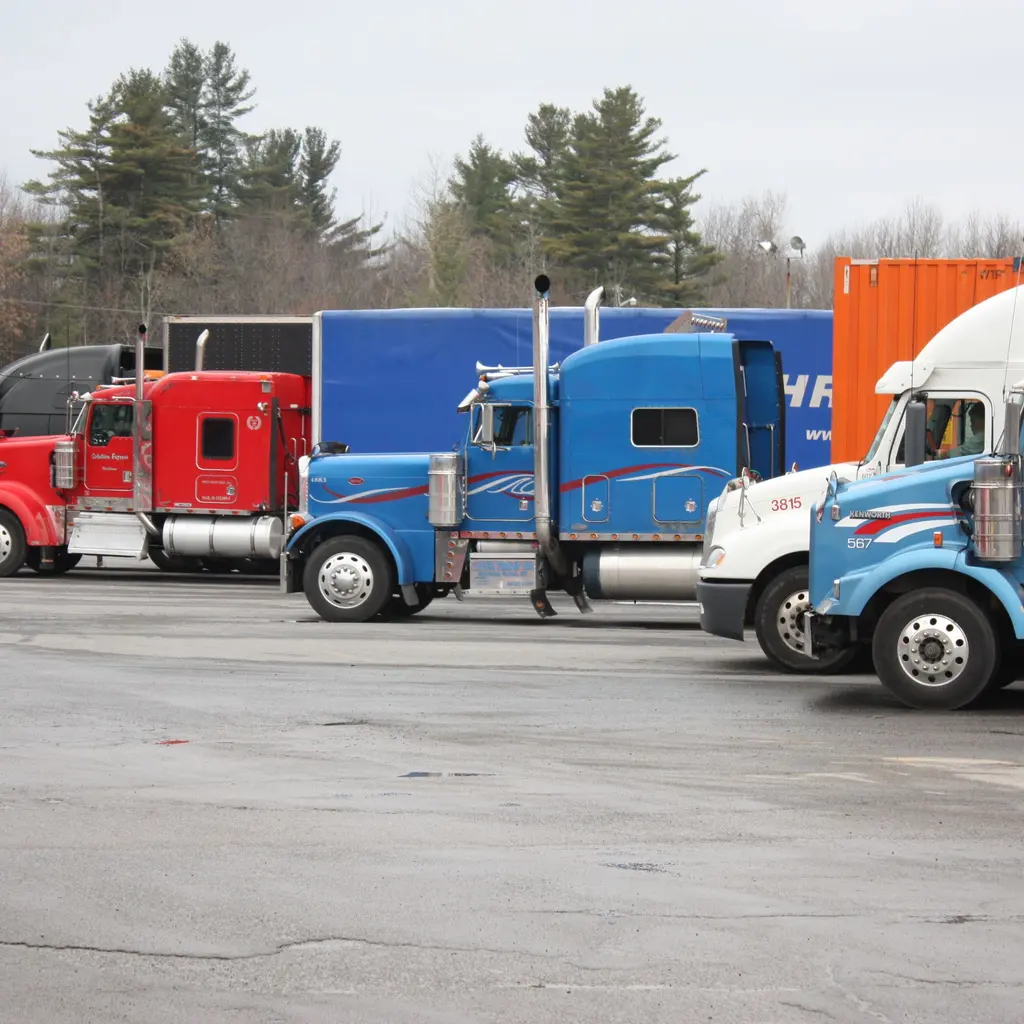
You own trucks that other businesses operate under long-term agreements. An accident can name you as the owner, while an off-lease truck can be damaged on your lot before a new contract begins.
The Southern Agency can review your leasing contracts and maintenance responsibilities to help you select appropriate insurance. For example, we can distinguish your responsibilities in a full-service lease from the liability assigned to your lessees.
After a crash, you can be named over an alleged maintenance failure even when a lessee was driving. Identify who had repair duties and what is alleged rather than assuming the lease prevents an owner being named.
A certificate can be out of date or omit an endorsement you expected. Track the actual policy, cancellation notice rights and lessor interests through the lease term.
A truck can be damaged while in a lessee's use or waiting on your lot. Physical-damage terms need the accepted unit, use and insured value in either situation.
Tool use and vehicle movement can injure staff; a completed repair can later be blamed for a road loss. Those are different insured interests.
Lease start, return and off-lease dates change how the truck is used. Missed updates can leave your fleet schedule or lessee evidence out of step with the vehicle's actual status.
Policies to ask about. Which ones fit depends on your operations, your contracts, and the carrier’s forms.
These hypothetical examples are not agency claim results. Whether a loss is covered depends on the facts, policy terms, and applicable exclusions.
After a leased truck crashes, the claimant alleges your company failed to correct a brake defect before handover. Review who is sued, the maintenance duties and actual lessor/garage/auto grants. Ownership, an indemnity clause or a lessee's certificate does not itself establish a covered defense or truck-repair payment.
A lessee's auto policy cancels while your truck remains on its route. Check notice procedures and the exact contingent grant, covered interest and trigger before assuming your policy fills the gap. A missing certificate or unpaid lessee obligation is not automatically an insured vehicle loss.
A shop technician injures a hand while servicing a returned truck. Workers compensation benefits depend on the actual employer, covered injury and applicable rules. The injury is separate from damage to the truck, a faulty-repair allegation or a lessee's downtime demand.
Start with the work you do and the questions your current policies leave unanswered. Carrier options depend on your location, risk, and underwriting. Explore our approach.
A claimant can name your company over an alleged maintenance failure or another lessor duty, even if the lessee was driving. Whether you are legally responsible and whether insurance responds are separate questions; compare the lease with your actual insured capacity.
A lapse needs direct review; no automatic drop-down or replacement cover is promised.
Identify whose trucks you service and whether work is performed for lessees or other customers. Accepted garage/auto and completed-work terms need to match that operation; repair custody protection is not automatic from the lease or garage-liability heading.
Idle vehicles need suitable fleet physical damage, not an assumed office-property extension.
Compatible excess can add limits for covered claims without fixing missing underlying scope.
Compare indemnities and insured interests with actual endorsements and reporting requirements.
Bring your questions, current policies, and relevant contracts. An agent can review coverage terms, exclusions, and the information carriers ask for, then explain the options available to you.