

Bench work
Soldering and energized tests can cause burns or fire.
Try a different word, or check the spelling.
Your test instrument and the customer's amplifier on the bench have different owners and repair values. Shop, bailee, and completed-work protection should distinguish those interests, with processing damage, a later component failure and serviced-device data reviewed on their own terms.
The Southern Agency can compare your actual bench methods, customer equipment and test instruments with you, including the work after devices are returned.
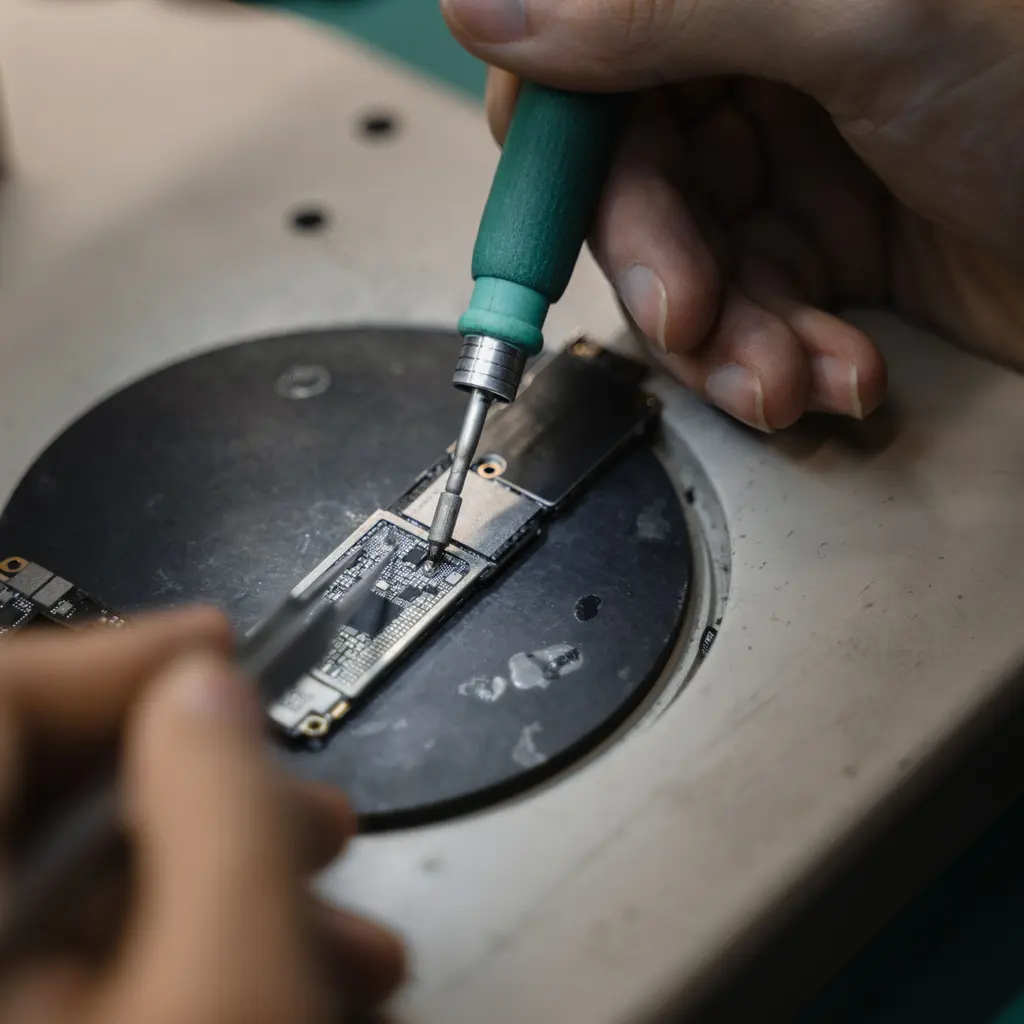
You diagnose and repair televisions, audio units, and other equipment at a workbench. A testing error can damage a customer's amplifier, while a faulty repair could lead to a claim after the device is returned.
The Southern Agency can review your workbench operations, customer device custody, and completed-work liability to help you select insurance. We can discuss how your coverage addresses bench work versus the shop's own testing equipment.
Soldering and energized tests can cause burns or fire.
Items may be damaged during diagnosis or storage.
A component or assembly failure can cause later harm.
Charged components can injure technicians.
Test gear and client data create separate property and privacy interests.
Policies to ask about. Which ones fit depends on your operations, your contracts, and the carrier’s forms.
These hypothetical examples are not agency claim results. Whether a loss is covered depends on the facts, policy terms, and applicable exclusions.
Suppose a returned television is alleged to start a fire in the customer's home. Compare actual repair/product duties and resulting other-party harm with accepted completed-work terms. The failed board, repaired device and warranty rework may be treated differently from damage to the home.
Suppose energized diagnosis shorts a customer's amplifier. Compare actual accepted processing, exclusions and valuation under customer-property terms. Cover for items stored on shelves does not establish damage during bench work, and your own test instrument is a separate property interest.
Suppose a soldering iron ignites bench materials and damages shop instruments and entrusted devices. Compare insured physical causes, each owner's values and customer-property/processing terms. Building repairs, customer devices, data and any selected income have different provisions.
Start with the work you do and the questions your current policies leave unanswered. Carrier options depend on your location, risk, and underwriting. Explore our approach.
Compare actual repaired device, alleged failure and resulting injury or other-property damage with accepted product/completed-work terms. The failed component, your rework and warranty obligations may be excluded or treated differently. Returning the device does not itself establish every later loss insured.
Compare expressly insured customer property, values and accepted causes during storage, diagnosis and repair. Custody protection for shelf storage does not automatically include processing damage. Owned stock, client equipment and any files on it remain separate interests.
List actual owned/rented instrument values and bench or portable locations, then compare accepted physical causes. Internal breakdown, calibration drift and routine wear need their own treatment. Your property insurance is not proof the customer's amplifier on the same bench is insured.
Describe actual employee/contractor roles, payroll, work state and energized testing, charged components and soldering duties. Compare obligations and eligible work-injury benefits under applicable rules. Customer liability and a contractor label do not establish employee status or every technician benefit.
Map actual access to serviced-device information separately from payment/booking records and outside vendors. Compare selected privacy/security incidents, response and reporting. Physical device replacement or ordinary product liability is not automatically data restoration or breach protection.
Equipment types, custody values, instruments, payroll, and losses influence underwriting.
Bring your questions, current policies, and relevant contracts. An agent can review coverage terms, exclusions, and the information carriers ask for, then explain the options available to you.