

Fuel
Mowers and generators may arrive with fuel still in their tanks. A leak near a test area or hot exhaust can start a fire that damages your shop and customers' equipment.
Try a different word, or check the spelling.
During mowing season, customers' equipment can fill every corner of your shop. Make sure your insurance review accounts for those machines as well as the repair work you send home.
Call with the equipment you service, your busiest-season storage values and any pickup or delivery work.
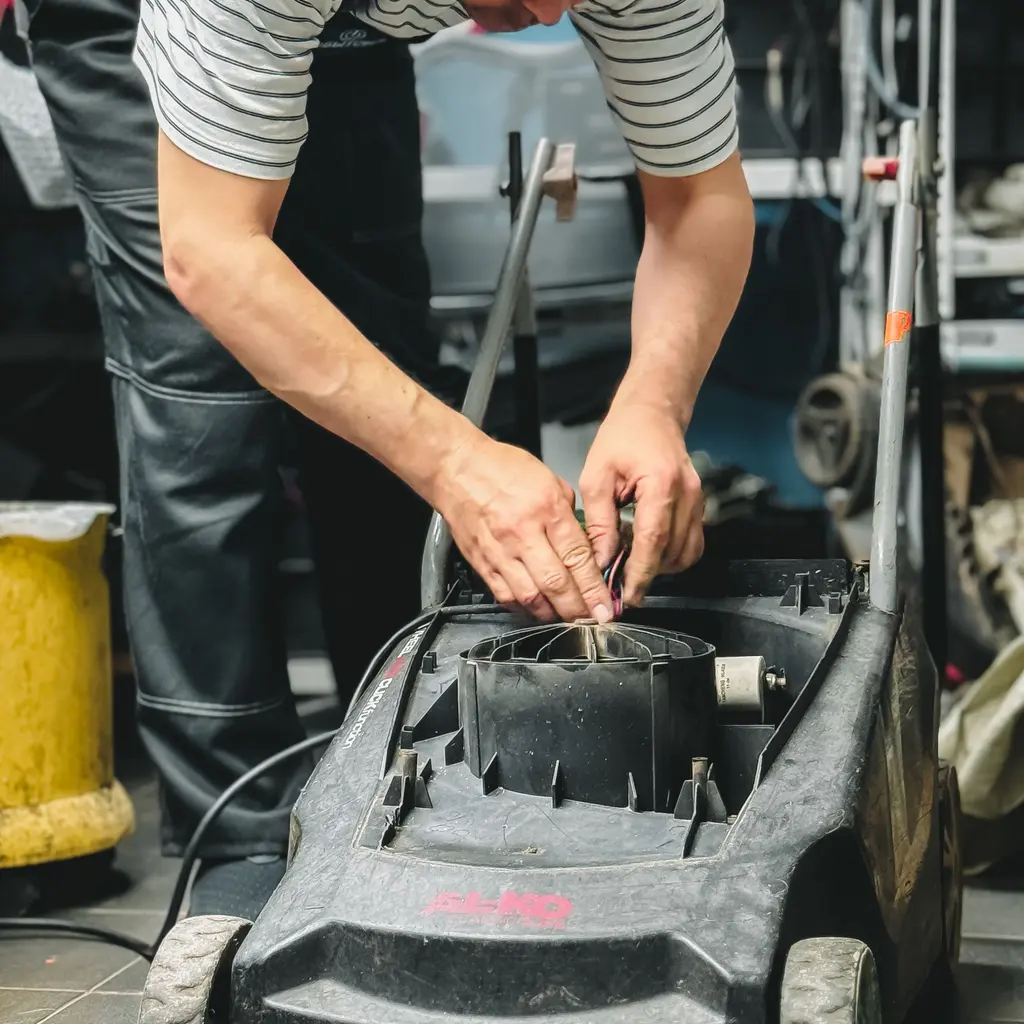
You service mowers, generators, and other power equipment that often arrive with fuel inside. A test-run fire can damage client machines, while a repair failure can cause injury to a user after they take the unit home.
The Southern Agency can review your fuel-handling procedures, seasonal accumulation, and completed-work liability to help you select appropriate insurance. We can discuss protecting client property alongside your workshop tools.
Mowers and generators may arrive with fuel still in their tanks. A leak near a test area or hot exhaust can start a fire that damages your shop and customers' equipment.
Customer machines can fill the shop and outside storage areas during busy weeks. Their combined value may be much higher than your own tools, and your property policy may not insure them on the same basis.
A blade assembly or fuel-system repair can lead to an injury after pickup. A claim for resulting harm is different from the customer's request to redo the repair.
A leaking waste container can contaminate the shop floor, soil or a drain. Cleanup and third-party pollution claims are separate from ordinary disposal costs.
Technicians sharpen blades, test hot engines and lift awkward machines onto benches. A hand injury or back strain can keep a worker away during the busiest repair weeks.
Policies to ask about. Which ones fit depends on your operations, your contracts, and the carrier’s forms.
These hypothetical examples are not agency claim results. Whether a loss is covered depends on the facts, policy terms, and applicable exclusions.
Fuel vapors ignite during a generator test, damaging the workbench and three customer machines. Your property coverage and coverage for customers' goods need to be reviewed separately; the same fire can affect both.
After a mower is collected, a blade attachment fails and injures someone nearby. Products-completed operations coverage may help with the resulting liability claim. It does not automatically pay to redo the repair.
A customer's generator disappears from the outside holding area before pickup. Whether bailee coverage pays depends on its theft terms and storage conditions, so describe fenced yards and overnight storage when arranging coverage.
Start with the work you do and the questions your current policies leave unanswered. Carrier options depend on your location, risk, and underwriting. Explore our approach.
Fueled machines, drained gasoline and hot test engines can put customer equipment and your own tools at risk in the same fire. Explain where you drain, store and test machines and how many are held overnight so the property review reflects your actual shop.
Do not assume your shop property policy includes them. Ask about bailee coverage for equipment in your care, including while it is being worked on. Give the agent peak values and explain where machines are kept overnight.
Products-completed operations coverage may address a covered injury or property-damage claim arising from the repair. Check that your equipment types and services are included. Redoing the repair, replacing the failed part and fulfilling a warranty are separate from the resulting harm.
A release of fuel, oil or cleaning chemicals can lead to cleanup or third-party claims. Review pollution exclusions and any environmental terms for your storage and waste-handling activities. Routine disposal and every regulatory cost are not automatically insured.
Check your state's requirements and how employees, working owners and any contract labor are treated. Describe sharpening, lifting, testing and other actual duties. Workers compensation can provide benefits for qualifying work injuries; it does not insure the customer's machine.
Insurers review the machines you service, seasonal customer-property values, fuel and testing practices, payroll and claims history. Use the same values and work description when comparing quotes, then compare customer-property limits and exclusions as well as price.
Bring your questions, current policies, and relevant contracts. An agent can review coverage terms, exclusions, and the information carriers ask for, then explain the options available to you.