

Concentration
Many small items can carry substantial combined value.
Try a different word, or check the spelling.
Shipping your customer's repaired watch or ring adds another custody handoff after the bench work is finished. Valuables protection needs the actual transit, security, and valuation terms, with processing damage and combined customer and owned stock distinguished from ordinary premises insurance.
The Southern Agency can review the pieces you hold, the processes you perform and your actual specialist shipments before comparing valuables terms.
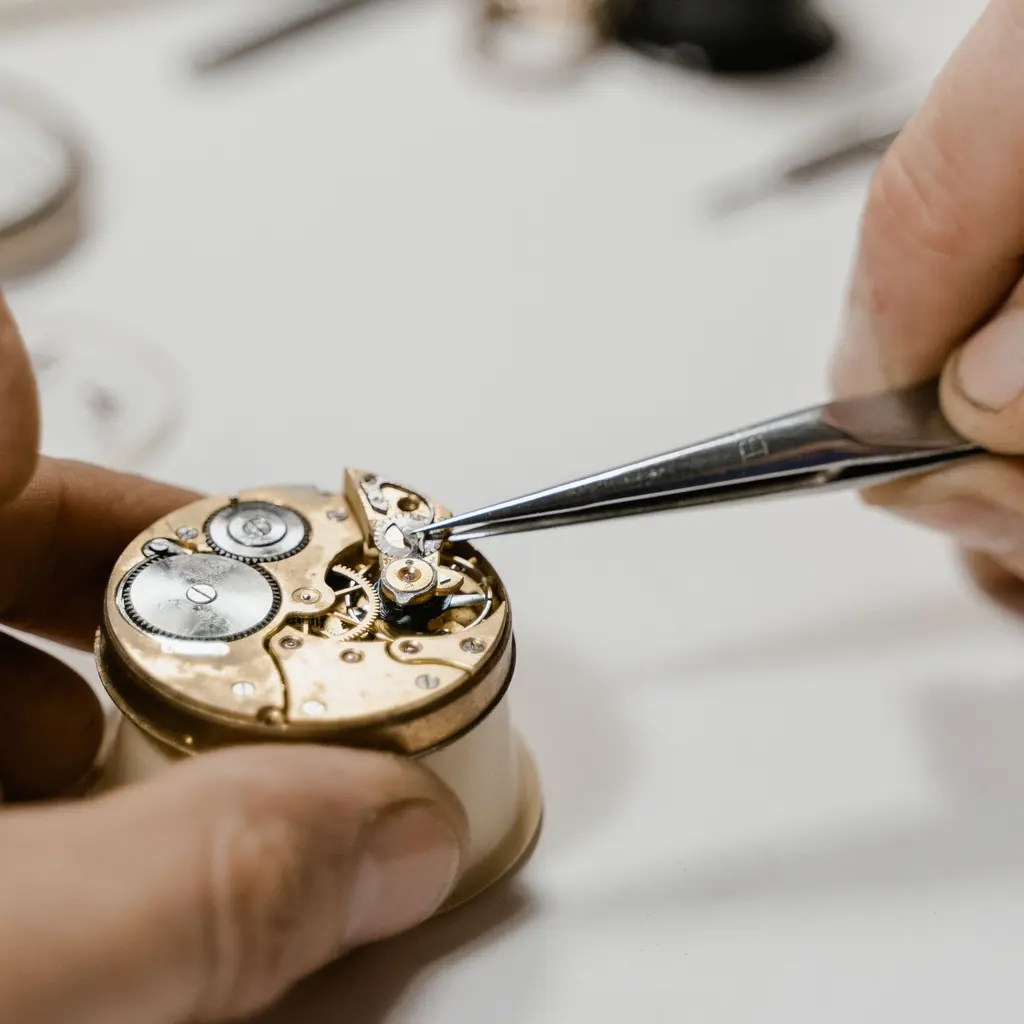
You hold pieces whose market value can far exceed the charge for the repair itself. A missing tray of watches or a gem chipped during setting presents distinct questions, though both involve customer property.
The Southern Agency can review your storage, security conditions, and bench procedures to help you select appropriate insurance. We can discuss how to protect concentrated client valuables and manage liability for handling fine items.
Many small items can carry substantial combined value.
Robbery or burglary can affect client and owned stock together.
Setting, polishing or soldering can damage pieces.
Shipping adds custody handoffs and transit risk.
Torches, fine work, and client data create additional interests.
Policies to ask about. Which ones fit depends on your operations, your contracts, and the carrier’s forms.
These hypothetical examples are not agency claim results. Whether a loss is covered depends on the facts, policy terms, and applicable exclusions.
Suppose a customer's sapphire chips during setting. Compare accepted stone/setting work, processing restrictions and valuation under the valuables form. Custody protection against theft does not itself include bench damage, and an appraisal does not amend insurer valuation.
Suppose a break-in removes a safe's customer watches and owned stock. Compare actual combined peak values, safe/alarm conditions, accepted theft and any reporting limits. Proof of burglary, ownership and valuation still matters; crime and jewelers-block labels do not promise duplicate recovery.
Suppose a watch sent to an outside specialist is lost in transit. Compare accepted carrier, packing/security, territory, handoff and per-shipment limits for the actual item. A carrier receipt or declared shipping value does not establish the shop's valuables protection or every carrier reimbursement.
Start with the work you do and the questions your current policies leave unanswered. Carrier options depend on your location, risk, and underwriting. Explore our approach.
Ordinary property is not a substitute for accepted client-valuables protection.
Document typical and peak client and owned holdings, individual high-value pieces and specialist/transit accumulations. Compare actual valuation, reporting and per-item/location limits. Market value, sentimental importance, intake estimates and the repair price are not interchangeable insured values.
Confirm the actual carrier, route/territory, packing/security, values and specialist custody accepted before shipment. Transit, specialist premises and return handoffs can have different limits. A carrier receipt or shipping-value declaration does not itself amend your valuables form.
Compare the actual setting, polishing, soldering or other process with accepted client-property and stone/processing restrictions. Theft or shelf-custody cover does not itself insure damage while working on the piece. Rework, diminished value and replacing a damaged stone may receive different treatment.
Employment facts and applicable rules determine compensation obligations.
Safes and alarms can be policy conditions, not merely pricing considerations.
Bring your questions, current policies, and relevant contracts. An agent can review coverage terms, exclusions, and the information carriers ask for, then explain the options available to you.