

Materials
Fabric, foam, and dust can contribute to a spreading fire.
Try a different word, or check the spelling.
A customer's chair can wait for fabric before it ever reaches your cutting or sewing area. Custody protection needs the waiting period and work in progress, separately from your material stock, processing damage, and the furniture load on a delivery trip.
Talk with The Southern Agency about your operation, policy terms, and the information carriers need.
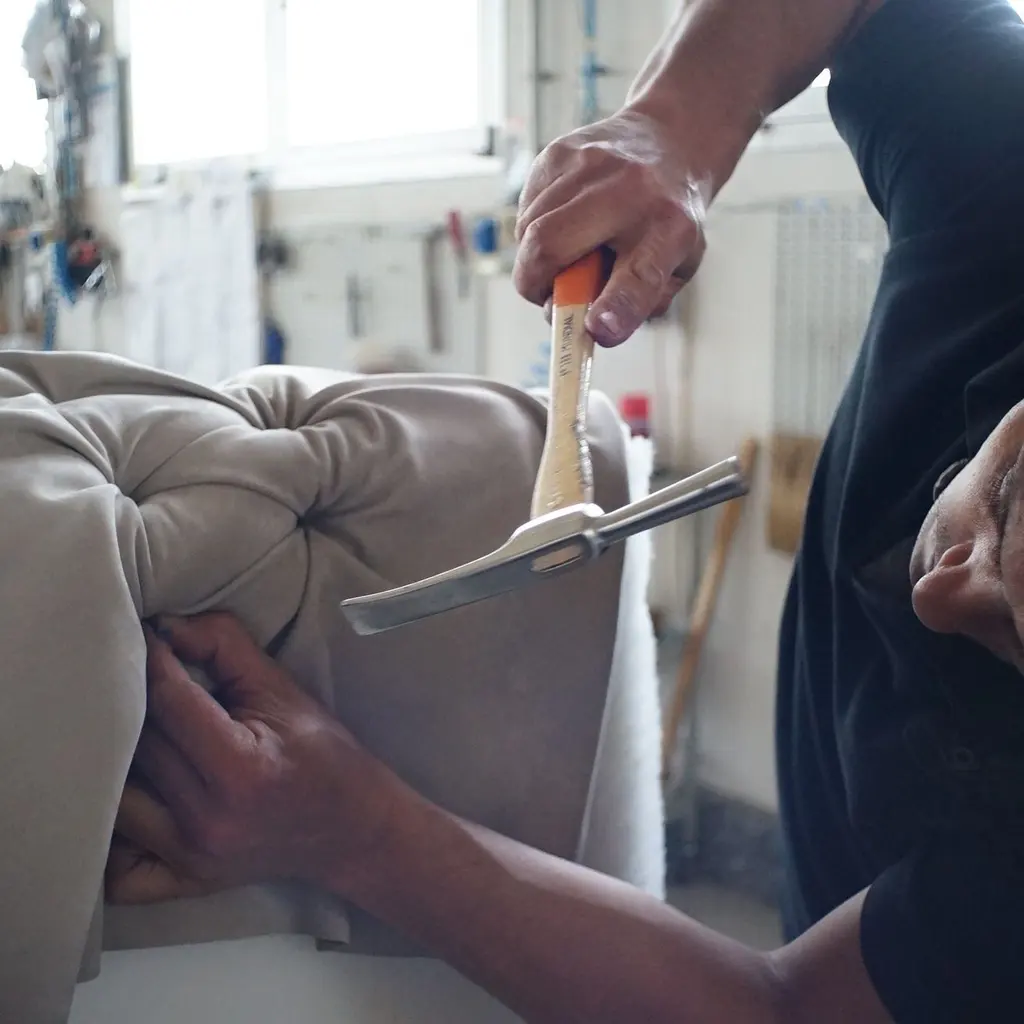
You replace padding, webbing, and covers on customer seating. A fire can affect fabric stock, sewing equipment and several clients' pieces at once, necessitating a plan for multiple types of property.
The Southern Agency can review your shop inventory, furniture-custody records, and delivery process to help you select appropriate insurance. We can discuss protecting customer property, works-in-progress, and your own business equipment.
Fabric, foam, and dust can contribute to a spreading fire.
Furniture may wait for materials before work begins.
Cutting, fastening or handling can damage the item.
Machines, staples, and lifting create injury hazards.
Furniture can shift or be damaged between locations.
Policies to ask about. Which ones fit depends on your operations, your contracts, and the carrier’s forms.
These hypothetical examples are not agency claim results. Whether a loss is covered depends on the facts, policy terms, and applicable exclusions.
A fire in stored foam spreads to fabric and several clients' chairs. Your own materials and equipment need property protection, while customer pieces need suitable custody terms and values. Any lost income requires the purchased interruption benefit.
A chair's frame is gouged during re-webbing. Customer-property protection needs to include damage during the work, not just theft or fire while stored. Processing restrictions and the agreed valuation determine what repair or payment may qualify.
A sectional shifts and is damaged in the delivery van. Furniture-transit terms need to fit the customer's piece, loading stage and damage cause. Insuring the van does not itself insure its load.
Start with the work you do and the questions your current policies leave unanswered. Carrier options depend on your location, risk, and underwriting. Explore our approach.
Actual foam, fabric, storage, and housekeeping inform fire review.
Client furniture needs custody and processing terms separate from owned stock.
Business driving and goods in transit require different interests.
Business income needs a covered trigger, purchased provisions, and applicable restoration period.
Own machines need appropriate values and perils; traveling tools need off-site terms.
Stocks, client values, machinery, delivery, staff, and losses affect terms.
Bring your questions, current policies, and relevant contracts. An agent can review coverage terms, exclusions, and the information carriers ask for, then explain the options available to you.