

Fragile and unusual stock
Humidity, water, or impact can damage instruments and electronics. Vintage pieces may be difficult to replace, but rarity does not establish an agreed insured value.
Try a different word, or check the spelling.
A vintage instrument can be on your sales floor, rented to a school or entrusted to your repair bench. Instrument protection needs the actual owner, location, and insured value, while lesson supervision and faulty repair are different responsibilities from a showroom fall.
The Southern Agency can compare the instruments you hold and where they go, alongside the actual repair and lesson duties you take on.
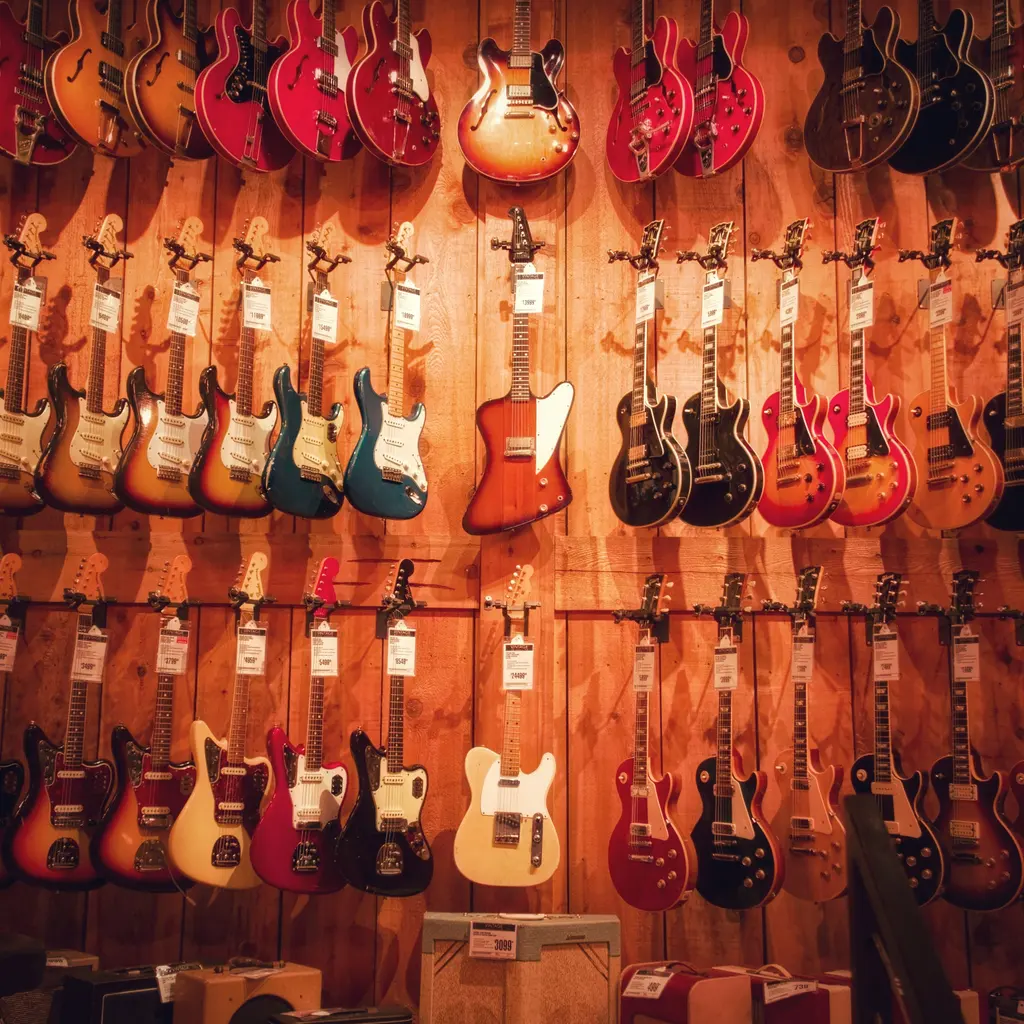
You sell instruments and may also repair or rent them and provide lessons. A dropped customer's instrument, humidity-damaged stock and a student's injury involve different owners, causes and duties, even when they arise in the same shop.
The Southern Agency can review your actual stock, repair, rental and instruction arrangements with you. We can compare insured instrument values and custody/processing terms with climate-related losses and expressly accepted lesson or showroom activities.
Humidity, water, or impact can damage instruments and electronics. Vintage pieces may be difficult to replace, but rarity does not establish an agreed insured value.
Instruments travel to homes and schools or remain on the repair bench. Accidental damage, faulty repair, and non-return can have different exclusions.
Students and customers move around stands, cables, and heavy amplifiers. Instruction and supervision allegations differ from a simple premises fall.
Rental billing and payment systems hold customer information, including data handled by vendors.
Policies to ask about. Which ones fit depends on your operations, your contracts, and the carrier’s forms.
These hypothetical examples are not agency claim results. Whether a loss is covered depends on the facts, policy terms, and applicable exclusions.
Suppose an HVAC failure changes humidity and damages guitars. Compare a qualifying equipment event, accepted instrument/stock causes and any selected resulting-damage terms. Repairing HVAC is not itself protection against every humidity change, gradual deterioration or lost sale.
Suppose a technician drops a customer's instrument during repair. Compare expressly accepted custody/processing and valuation with the actual work and cause. The repair bill, customer's claimed vintage value and your shop's stock limit are not automatically interchangeable.
Suppose a student's rented instrument is stolen from a car. Compare actual customer possession, location, theft/security and rental limits with proof of loss. Off-site cover does not automatically accept unattended-vehicle theft, wear or unexplained non-return.
Start with the work you do and the questions your current policies leave unanswered. Carrier options depend on your location, risk, and underwriting. Explore our approach.
No. Temperature, humidity, and deterioration exclusions need review, including any extension following equipment failure.
Only if the relevant interest and custody are included. Repair-processing and valuation terms may differ from stock insurance.
Yes. Describe students, supervision, and instruction so liability terms can be assessed.
It helps identify responsibility, but the policy must also insure the item, loss, and location.
Bring your questions, current policies, and relevant contracts. An agent can review coverage terms, exclusions, and the information carriers ask for, then explain the options available to you.