

Hardware injury claims
A faulty power component or overheated battery can injure a user or damage customer property after the device has left your plant.
Try a different word, or check the spelling.
A handset that overheats can injure a user and leave you arranging returns from distributors. Those are different costs: product-liability protection and recall expenses need separate review.
The Southern Agency can review your device line and manufacturing arrangements alongside product, recall and production-interruption insurance terms.
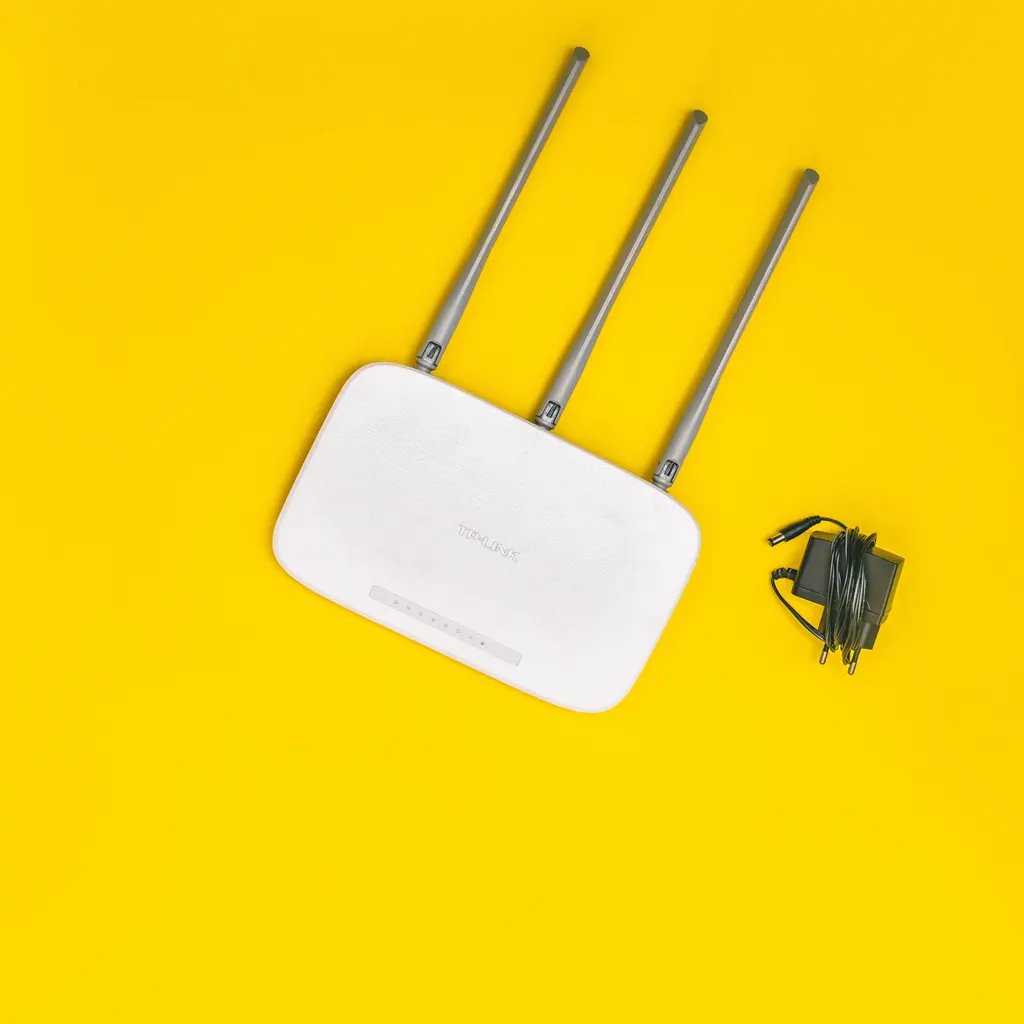
You manufacture devices like routers and handsets. A product defect causing injury or a machine failure during assembly can disrupt your output and lead to liability claims.
The Southern Agency can help review your manufacturing assets and product line to select appropriate insurance. We can discuss how to protect your plant and manage product-liability concerns separately from firmware or service risks.
A faulty power component or overheated battery can injure a user or damage customer property after the device has left your plant.
Finding, retrieving and replacing affected units can involve distributors and many shipments, with costs separate from injury claims.
Components and finished goods face fire or water loss.
A failed reflow oven or test station can stop output while partly completed devices and orders accumulate.
A firmware error can affect device performance, while lost design files or a component shortage can stall production. These are different from a hardware injury claim.
Policies to ask about. Which ones fit depends on your operations, your contracts, and the carrier’s forms.
These hypothetical examples are not agency claim results. Whether a loss is covered depends on the facts, policy terms, and applicable exclusions.
A handset battery batch overheats; an injured user alleges burns, and a distributor returns affected units. Product liability may help with covered defense and injury damages. Notification, retrieval, testing and replacement costs require the relevant recall provisions, distinct from that injury claim.
An internal electrical fault damages a reflow oven, stopping output while orders accumulate. Breakdown may help with covered repair. Review purchased income or extra-expense benefits against the qualifying outage, waiting and restoration periods and limits; the order backlog alone does not establish recovery.
A plant fire damages components and finished devices ready for shipment. Property may help replace covered stock under the insured ownership, location, cause and valuation terms. Compare work-in-progress and finished-unit values with the actual stock limit and peak accumulation.
Start with the work you do and the questions your current policies leave unanswered. Carrier options depend on your location, risk, and underwriting. Explore our approach.
Start with the devices, users and territories, then review the plant, assembly equipment, staff and data dependencies. Product-injury claims, recall expenses and firmware or service allegations need their appropriate terms rather than one assumed manufacturing package.
Distributed hardware can produce injury or damage claims beyond the maker's premises.
Recall requires express applicable protection; notification, retrieval, and replacement are not automatic.
Cyber may address qualifying incidents, not automatically lost design value or all IP litigation.
Eligible machine failure and purchased income terms determine breakdown recovery.
Supplier income extensions need covered dependencies and triggers; ordinary shortage or delivery delay is not enough.
Bring your questions, current policies, and relevant contracts. An agent can review coverage terms, exclusions, and the information carriers ask for, then explain the options available to you.