

Shared intersections
Cars, cyclists, and pedestrians can enter the train's path. Liability wording must expressly address rail operations.
Try a different word, or check the spelling.
You may operate the line without owning every vehicle, platform, or electrical asset you must insure. Rail property and operating protection need those actual interests, with train movement, fare systems, and worker-injury frameworks distinguished from governance cover.
The Southern Agency can review your street-running routes and operating agreements alongside the asset and workforce interests you need to insure.
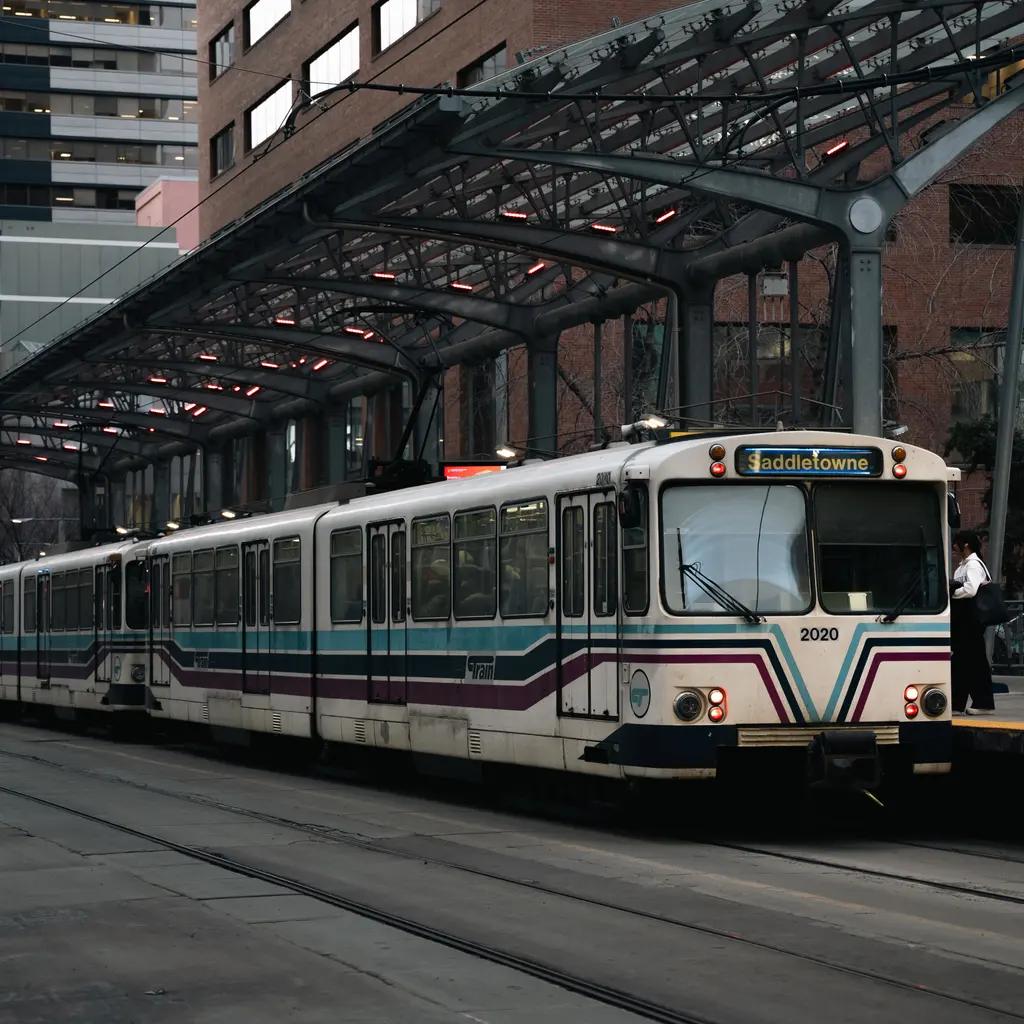
You operate transit systems that navigate city streets and corridors, crossing intersections where collisions with turning vehicles or boarding accidents can occur. These frequent public interactions require careful management of passenger safety and transit infrastructure.
The Southern Agency can review your transit operations, including your electrical signaling systems and passenger facilities, to help select insurance. We can assist in coordinating coverage for your train equipment with the specific liability needed for public-facing transit.
Cars, cyclists, and pedestrians can enter the train's path. Liability wording must expressly address rail operations.
Street-level platforms and closing doors create injury risks at many stops along a short route.
A damaged catenary, substation, or signal can stop part of the line. Outage costs need an insured trigger.
Operators and electrical crews face different duties; fare systems hold rider and payment information.
Policies to ask about. Which ones fit depends on your operations, your contracts, and the carrier’s forms.
These hypothetical examples are not agency claim results. Whether a loss is covered depends on the facts, policy terms, and applicable exclusions.
A turning car collides with a train at a street intersection, and the driver claims the operator caused their injuries. Accepted rail-operating terms may help with covered defense and damages if the entities, crossing and activity fit. The collision alone does not establish fault, and repairing the train requires the applicable property interests and cause.
An internal electrical fault at a traction substation suspends service. Breakdown may help repair accepted equipment if the cause qualifies. Any income or extra-expense benefit needs its own event, waiting and restoration periods and limits; a repair payment does not itself establish every lost fare or substitute-service cost.
A rider is caught by a closing door and alleges the train departed unsafely. Accepted passenger or rail-operating terms may help with covered defense and injury damages. Identify the operator and any contractor, departure duties and exclusions; an operating agreement or injured passenger does not establish every party's insured status.
Start with the work you do and the questions your current policies leave unanswered. Carrier options depend on your location, risk, and underwriting. Explore our approach.
Street crossings and frequent boarding are central here; route rights, infrastructure, and legal operator status still vary by system.
Use liability expressly covering rail movement and passenger operations. A general liability label alone is insufficient.
Property or breakdown coverage may apply, depending on cause, insured equipment, and infrastructure schedules.
Yes. Review data held by the operator and vendors, including fare-account access and breach responsibilities.
Identify the employer, duties, and applicable injury regime. FELA and state compensation cannot be selected solely by job title.
Consider governance or public-official coverage appropriate to the entity. It does not cover ordinary train-operation claims.
Bring your questions, current policies, and relevant contracts. An agent can review coverage terms, exclusions, and the information carriers ask for, then explain the options available to you.