

Grade-crossing collisions
Trains striking vehicles or pedestrians at at-grade crossings are a leading severity risk because rail cars cannot steer to avoid a hazard.
Try a different word, or check the spelling.
Your duty to passengers continues beyond the platform. Review the crossings and operating corridor with the same care as station liability.
The Southern Agency can help you protect your light rail operations and infrastructure.
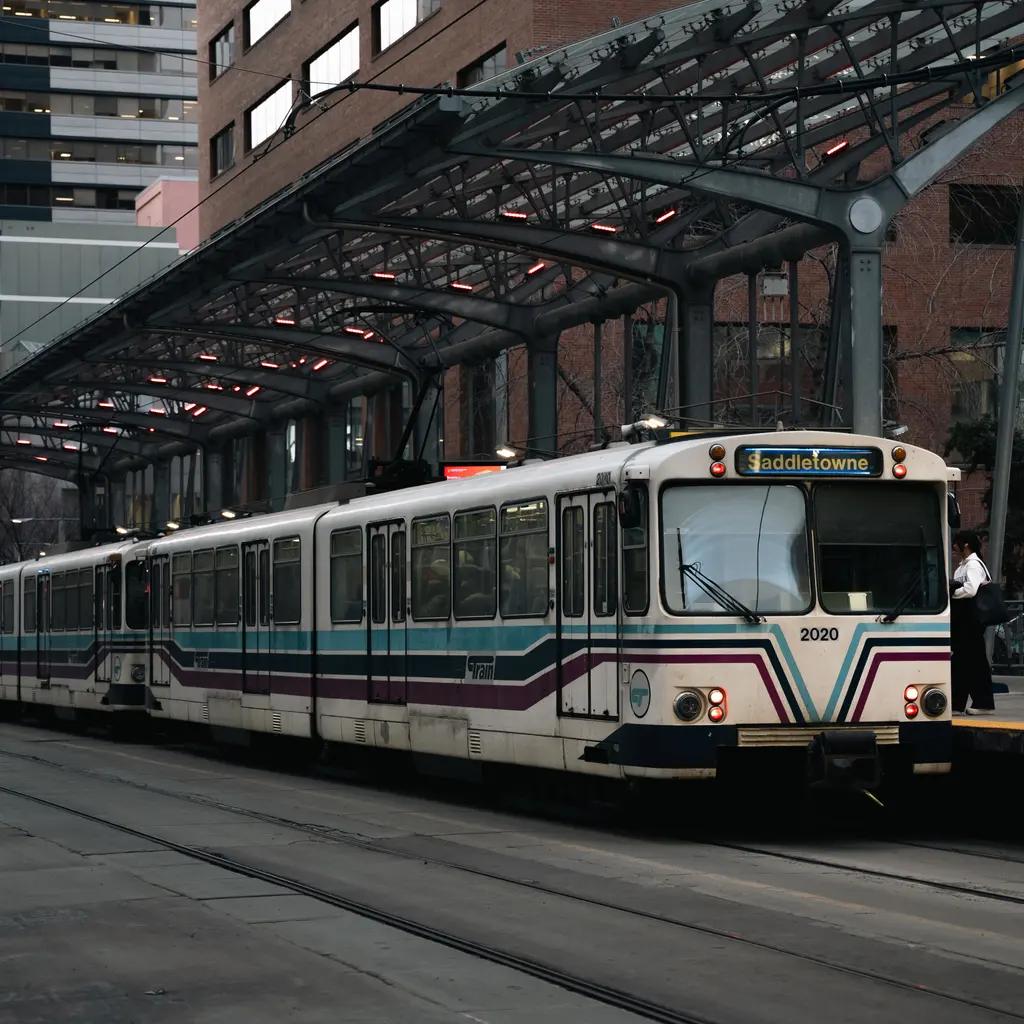
You manage light rail transit, moving passengers over fixed routes and through shared traffic areas. Rail assets and signal equipment require significant investment, while passenger boarding and at-grade crossings present ongoing safety risks.
The Southern Agency can review your system's infrastructure, ridership, and maintenance operations to help you select appropriate insurance. For example, we can assess liability limits for crossing incidents versus coverage for signaling and power system failures.
Trains striking vehicles or pedestrians at at-grade crossings are a leading severity risk because rail cars cannot steer to avoid a hazard.
Crowded platforms create slip, fall, and gap-related injuries as passengers board and exit during peak service.
Derailments, vandalism, fire, or storms can damage high-value rail cars, track, and substations, with costly repairs and downtime.
Catenary, third-rail power, and signaling are critical and complex, and a breakdown can shut down service across the corridor.
Track work, overhead electrical maintenance, and rail-car servicing expose employees to serious occupational hazards.
Smart-card and mobile fare platforms store rider data that can be targeted in a breach.
Policies to ask about. Which ones fit depends on your operations, your contracts, and the carrier’s forms.
These hypothetical examples are not agency claim results. Whether a loss is covered depends on the facts, policy terms, and applicable exclusions.
A car enters a grade crossing and collides with a train. Liability expressly accepting the rail and crossing operations may address covered injury and damage claims, with applicable excess above it. A station-premises policy alone does not establish that scope.
An internal electrical failure damages a signaling component and stops service. Breakdown may address the included component's qualifying repair. Fare-income loss, substitute transport and extra expenses need their own applicable terms and limits.
A passenger falls on a crowded platform and pursues a claim. General liability may respond to medical and liability costs, depending on policy terms.
Start with the work you do and the questions your current policies leave unanswered. Carrier options depend on your location, risk, and underwriting. Explore our approach.
Trains run on fixed track and cannot steer around hazards, making grade-crossing and platform incidents a distinctive exposure. Coverage is structured around that reality, subject to underwriting.
Confirm the policy expressly accepts the train, corridor and crossing activities involved. Covered injury or damage claims may fall under that liability and scheduled excess, but station-premises protection or a certificate alone does not prove rail-operation scope.
Review the actual power, signaling and rail-car components against accepted equipment and failure definitions. An insured repair is different from ordinary maintenance, loss of utility service or every outage expense. Fare-income and substitute-service costs need applicable extensions.
Have the actual rail cars and ownership interests accepted under suitable physical-damage terms. Compare values, locations and operating causes with the policy. Listing stations or maintenance buildings does not itself include rolling stock, track or every derailment loss.
If you operate smart-card or mobile fare systems, cyber coverage may help with breach response and rider-data liability, subject to policy terms and underwriting.
Bring your questions, current policies, and relevant contracts. An agent can review coverage terms, exclusions, and the information carriers ask for, then explain the options available to you.