

Container stacking collapse
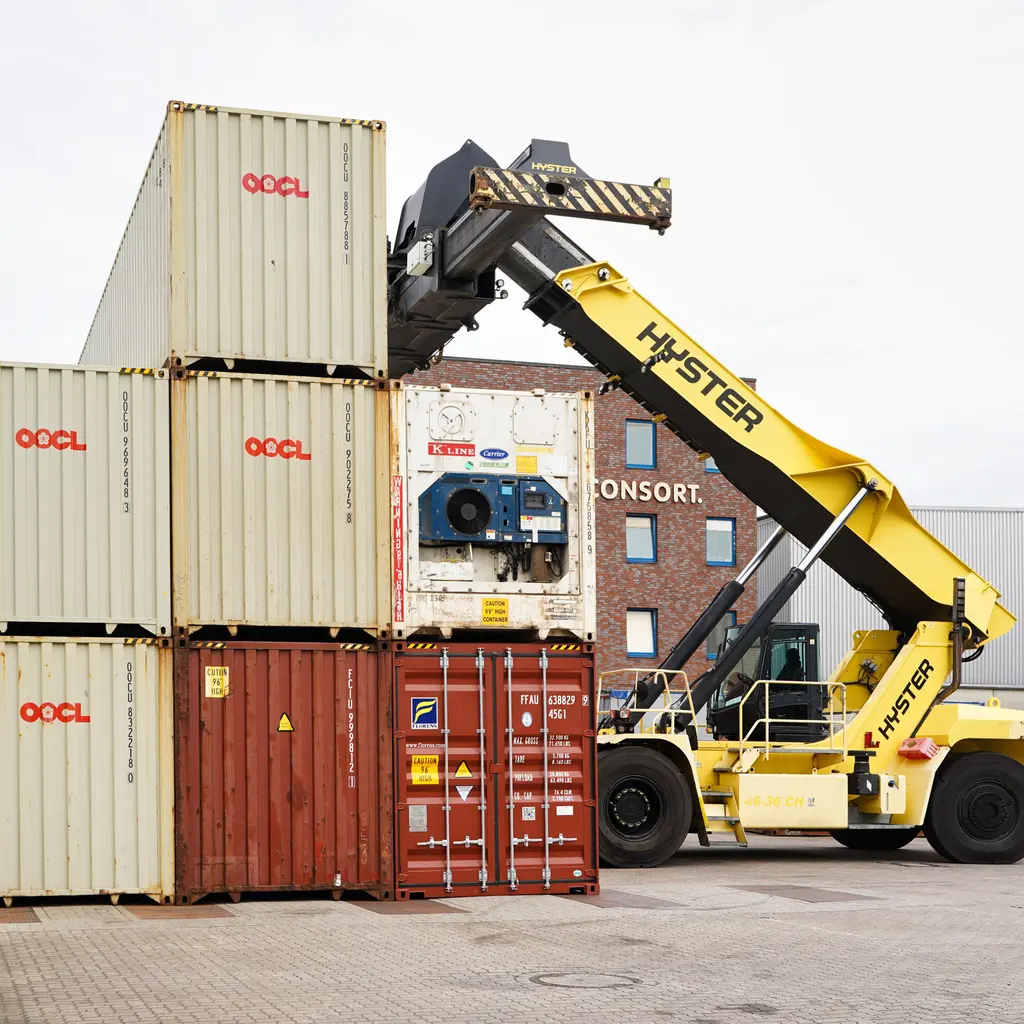
Improperly stacked or wind-affected container tiers can topple, damaging units, equipment, and anything nearby in the yard.
Try a different word, or check the spelling.
The boxes in your yard belong to someone else, but a dropped unit can become your claim. Match custody limits to the containers you hold and handle.
The Southern Agency can help you protect your yard's assets and contractual liabilities.
You run a depot for the cleaning, repair, and storage of shipping containers. Heavy equipment and the management of containers you do not own mean that accidents can damage assets or create environmental hazards during repair.
The Southern Agency can review your yard equipment, repair services, and custody arrangements to help you select appropriate insurance. For example, we can discuss inland marine coverage for containers in your care while evaluating environmental liability for washouts.
Improperly stacked or wind-affected container tiers can topple, damaging units, equipment, and anything nearby in the yard.
Reach stackers and top handlers can drop or crush containers and chassis, producing damage claims from owners and lessors.
Because the depot holds boxes owned by lines and leasing firms, damage to those units on site raises bailee liability questions.
Welding, grinding, and solvent cleaning during container repair create fire, fume, and pollution exposure on the property.
Operators and technicians working among moving equipment and heavy boxes face struck-by and crush injuries.
A disabled reach stacker or gate system can halt receiving and release, backing up carriers and lines.
Cleaning containers that carried chemicals or food products can release residue, creating environmental cleanup concerns.
Policies to ask about. Which ones fit depends on your operations, your contracts, and the carrier’s forms.
These hypothetical examples are not agency claim results. Whether a loss is covered depends on the facts, policy terms, and applicable exclusions.
A reach stacker drops a leased container and damages an adjacent unit. Specialist custody terms may address covered owner claims if the containers and handling work are accepted. Compare per-unit and total yard limits; ordinary general liability does not establish protection for property in your care.
Cleaning a container leaves chemical residue that enters a storm drain. An environmental policy may respond to cleanup costs, subject to the specific policy and endorsements.
A reach stacker's hydraulic system fails during peak gate hours. Confirm the machine and cause qualify under the applicable machinery policy before relying on repair coverage. Lost income or substitute-equipment costs need their own included terms.
Start with the work you do and the questions your current policies leave unanswered. Carrier options depend on your location, risk, and underwriting. Explore our approach.
Your depot agreement and the circumstances of the damage determine responsibility to the line or lessor. Compare that duty with specialist custody or bailee terms for the containers and activities. A general liability limit does not automatically cover units you hold or repair.
Depots commonly carry general liability, inland marine care-custody, property, workers' compensation, and equipment breakdown. The mix depends on services and volume, subject to underwriting.
If you wash out boxes that held chemicals or food, residue can create cleanup exposure. Environmental coverage may help address it, depending on policy terms and operations.
Review mobile-equipment physical damage and eligible machinery breakdown separately. Confirm scheduled values and causes of loss for the actual machines rather than assuming a fixed-equipment policy accepts them. Downtime and substitute-equipment costs need explicit terms.
General liability may address a covered injury claim from a visiting driver. Identify how the accident happened and each party's role; vehicle use and property in custody can involve different policy terms.
Often yes. Depot agreements may require specific limits and care-custody terms. We can help align a program, though availability depends on underwriting.
Bring your questions, current policies, and relevant contracts. An agent can review coverage terms, exclusions, and the information carriers ask for, then explain the options available to you.