

Heavy lifts at a transfer point
A crane or reach stacker can drop a load or strike a railcar. Equipment ownership and cargo custody are separate interests.
Try a different word, or check the spelling.
During a transfer, the lifting machine, railcar and freight can belong to different parties even though they share your yard. Terminal protection should follow lifting, staging, and custody, with rail-compatible liability, release duties, and employee injury arrangements considered separately from an equipment schedule.
The Southern Agency can review your rail-to-truck handoffs and handling agreements alongside cargo, equipment and employee-injury insurance terms.
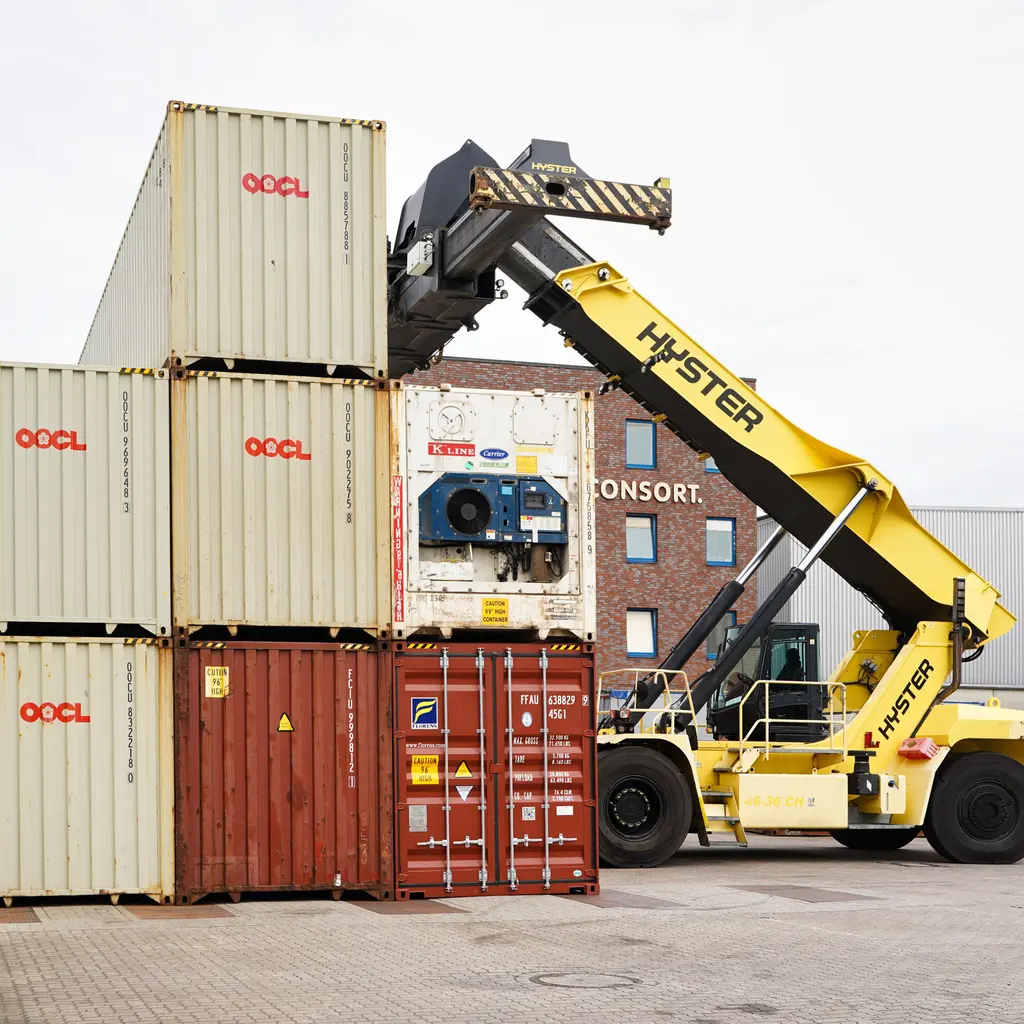
You transfer containers and bulk goods between rail, truck, and storage, where a dropped load can damage both freight and rail equipment. Workers in these yards operate alongside heavy vehicles and moving trains, making coordination essential.
The Southern Agency can review your transfer processes and terminal equipment to help you select appropriate insurance. We can help you identify how to insure terminal liability while maintaining the right coverage for fixed assets and customer freight during transit handoffs.
A crane or reach stacker can drop a load or strike a railcar. Equipment ownership and cargo custody are separate interests.
Pedestrians, drayage trucks, and moving cars create struck-by risks for employees and visitors.
Working near track does not alone establish Federal Employers Liability Act (FELA) status. Employer and work arrangements need specialist review.
Bulk releases can contaminate the yard; a disabled crane or gate system can stop transfers and strand freight.
Policies to ask about. Which ones fit depends on your operations, your contracts, and the carrier’s forms.
These hypothetical examples are not agency claim results. Whether a loss is covered depends on the facts, policy terms, and applicable exclusions.
A reach stacker drops a container onto a railcar, damaging freight and the car. Applicable cargo-custody and terminal-liability terms may help with their covered losses. Review each owner's interest, the handling stage, valuation and accepted rail operations; insuring the lifting machine is a separate equipment interest.
A worker is injured while staging railcars during a transfer. Specialist review of the actual employer, duties and law determines the appropriate injury arrangement. State compensation benefits and FELA liability have different tests and terms; provide employment and operating agreements rather than classifying the claim from its yard location.
A bulk-liquid transfer spills into the yard, and cleanup is requested. Pollution terms may help with covered response, cleanup or liability if the substance, cause and terminal work are included. Compare existing conditions, release responsibilities and reporting requirements; damaged cargo or equipment has its own property interests.
Start with the work you do and the questions your current policies leave unanswered. Carrier options depend on your location, risk, and underwriting. Explore our approach.
FELA addresses certain railroad employee injury liability. Applicability depends on the employer and work, not simply proximity to rail.
Review terminal operating liability, appropriate employee injury arrangements, cargo custody, property, breakdown, pollution, and compatible excess terms.
Liability depends on custody, fault, and contract terms. Insurance must accept the transfer activity and property involved.
They can set requested limits and transfer duties. Compare the actual obligations with policy exclusions and endorsements.
Yes, where commodities or operations can create releases. Known conditions and cleanup obligations need express review.
Schedule equipment accurately and distinguish external damage from qualifying breakdown. Income protection needs its own insured trigger.
Bring your questions, current policies, and relevant contracts. An agent can review coverage terms, exclusions, and the information carriers ask for, then explain the options available to you.