

Goods handled by crews
Fragile items can break during packing or on stairs. The customer's valuation agreement may differ from insurance settlement terms.
Try a different word, or check the spelling.
A customer's moving valuation agreement may not match the settlement terms in your cargo policy. Packing, transit, and storage protection need that distinction, with high-value items, extended warehouse stays, and employee access to valuables considered separately from the truck or extra liability limits.
The Southern Agency can compare your valuation offers and storage practices with the cargo, custody and crew insurance terms proposed.
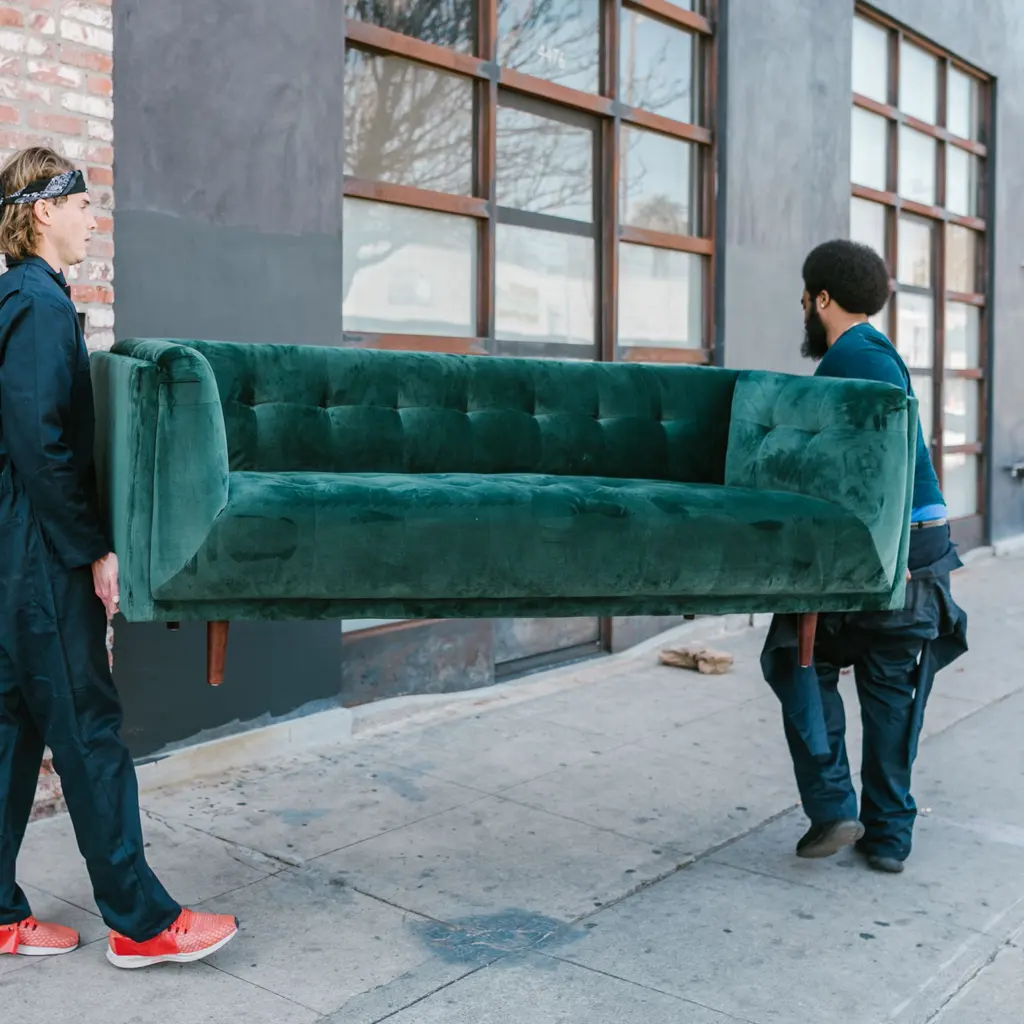
Your crew packs, lifts, and transports household or office goods, where an item can be damaged during transit or a crew member can be injured while handling heavy furniture. Each move involves potential risks to both your workers and the customer’s property.
The Southern Agency can review your packing, transport and storage services to help compare insurance. We can look at customer valuation agreements alongside proposed cargo and custody terms, without assuming one policy follows the goods through every stage.
Fragile items can break during packing or on stairs. The customer's valuation agreement may differ from insurance settlement terms.
Furniture can gouge a floor or doorway. Custody and property-being-worked-on exclusions require attention.
A warehouse fire can affect many customers at once. Transit coverage may restrict extended storage.
Seasonal staff face lifting and crush injuries; access to valuables also creates employee-theft allegations.
Policies to ask about. Which ones fit depends on your operations, your contracts, and the carrier’s forms.
These hypothetical examples are not agency claim results. Whether a loss is covered depends on the facts, policy terms, and applicable exclusions.
A crew drops an antique cabinet while unloading on a stairway, and the customer seeks replacement. If the item, handling stage and cause are included, household-goods cargo protection may help settle the insured damage. Compare antique valuation and restrictions with the promise made to the customer.
A dresser gouges a customer's hardwood floor during a move, and the customer seeks repair costs. GL may help defend and settle a covered premises claim. Auto-loading, custody and work exclusions can affect the response; damage to the dresser itself is a separate cargo question.
A warehouse fire damages several customers' belongings awaiting delivery. Storage or custody terms may help if the location, duration, customer interests and cause are included. Compare the goods' settlement values and the applicable limit with all customer property accumulated at the warehouse.
Start with the work you do and the questions your current policies leave unanswered. Carrier options depend on your location, risk, and underwriting. Explore our approach.
Review household-goods cargo protection through packing, loading, and delivery, including fragile or high-value item restrictions.
GL may address covered damage to premises, but custody, work, and auto exclusions can affect the response.
Only when suitable coverage includes that location, storage duration and customers' ownership interests.
It changes the mover's obligation and may differ from insurance valuation. Compare both before offering a settlement option.
Review employee-theft protection for customers' property. Ordinary crime coverage may protect only the moving company's own interests.
Describe seasonal and temporary workers accurately. Benefits and responsibility depend on employment arrangements and jurisdiction.
Bring your questions, current policies, and relevant contracts. An agent can review coverage terms, exclusions, and the information carriers ask for, then explain the options available to you.