

Cold chain interrupted
A failed reefer, fuel problem or incorrect setpoint can damage goods. Policies may distinguish these causes.
Try a different word, or check the spelling.
A temperature reading can lead a receiver to reject your load without proving insured physical damage. Reefer cargo protection should fit the actual goods and cause, with fuel, maintenance, unit repair and spoilage limits reviewed separately from refunds, recalls or higher auto limits.
Talk with The Southern Agency about your operation, policy terms, and the information carriers need.
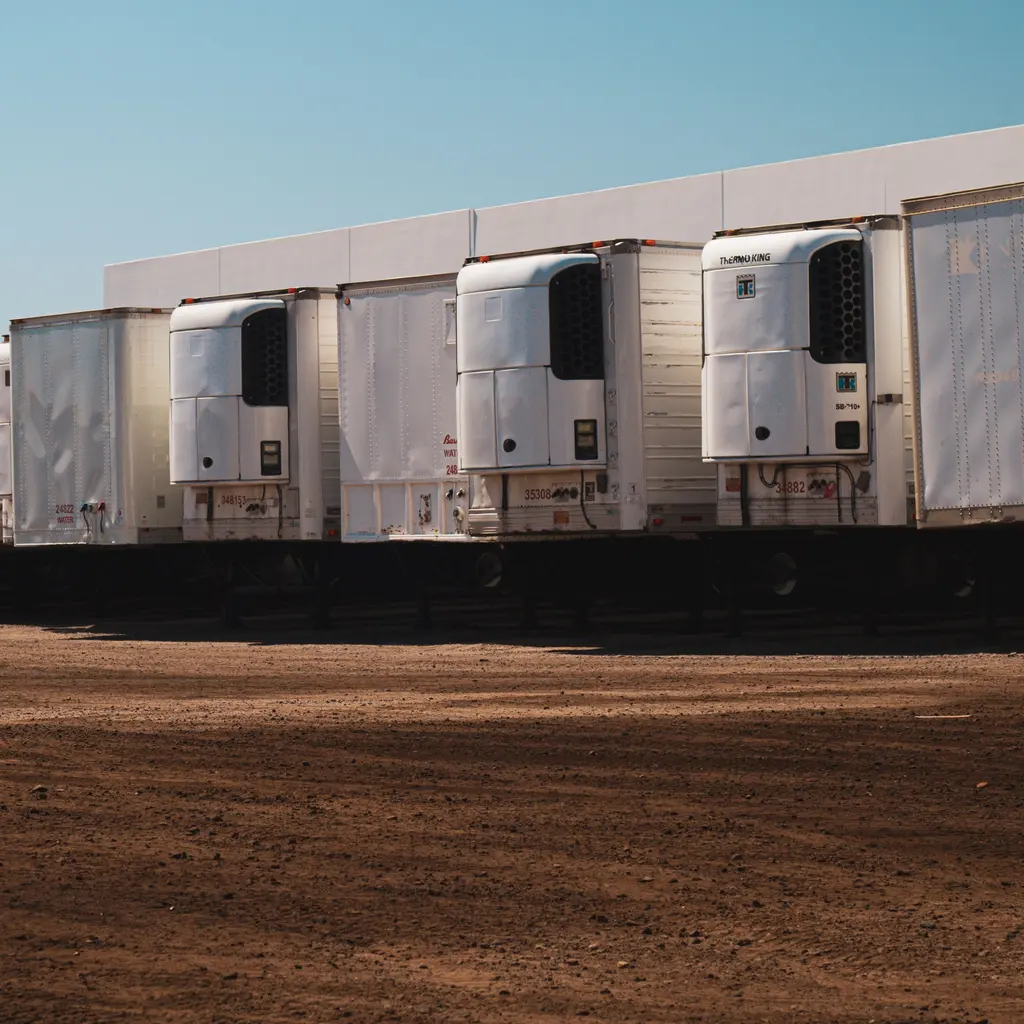
You move temperature-sensitive goods where a refrigeration failure or incorrect setting can ruin a full load, even if the vehicle arrives safely. Your work depends on the reliability of both the truck and its specialized refrigeration unit.
The Southern Agency can review your transport duties and refrigeration setup to help you select appropriate insurance. We can help you distinguish coverage for refrigerated cargo spoilage from the physical damage insurance covering your tractors and trailers.
A failed reefer, fuel problem or incorrect setpoint can damage goods. Policies may distinguish these causes.
A temperature reading can trigger rejection without proving insured physical damage. Records and inspection matter.
Food claims, recall expenses, and stolen specialty loads have different triggers and exclusions.
Highway crashes remain a major exposure; fueling and inspecting the reefer add lifting, slip, and cold-weather hazards.
Policies to ask about. Which ones fit depends on your operations, your contracts, and the carrier’s forms.
These hypothetical examples are not agency claim results. Whether a loss is covered depends on the facts, policy terms, and applicable exclusions.
Produce spoils before arrival. Cargo temperature terms, maintenance records, and the cause determine recovery.
A receiver cites a temperature excursion. Evidence of damage, policy conditions, and settlement terms control the cargo claim.
An employee is injured during a stop. Applicable compensation protection determines benefits.
Start with the work you do and the questions your current policies leave unanswered. Carrier options depend on your location, risk, and underwriting. Explore our approach.
No universal inclusion applies. Review temperature variation, reefer breakdown, and relevant endorsements before accepting a load.
Document temperature history and the goods' condition. Rejection alone does not establish insured damage or full-value recovery.
It helps explain equipment reliability and may be a policy condition. Strong records do not guarantee coverage or pricing.
Yes. The unit's repair and the cargo's spoilage require different terms, and mobile equipment may be excluded from ordinary breakdown cover.
Only when the commodities and theft circumstances are accepted, within limits and security conditions.
Consider highway injury severity separately from cargo value. Excess liability does not replace adequate reefer cargo limits.
Bring your questions, current policies, and relevant contracts. An agent can review coverage terms, exclusions, and the information carriers ask for, then explain the options available to you.