

One trailer, many claims
A damaged trailer can contain several owners' goods. The combined value matters more than the average pallet value.
Try a different word, or check the spelling.
Your average pallet value can understate what's in a trailer loaded with several customers' freight. Cargo and terminal protection should follow peak combined values and handling stages, with misrouting costs, dock equipment, and drivers' duties distinguished from freight damage.
Talk with The Southern Agency about your operation, policy terms, and the information carriers need.
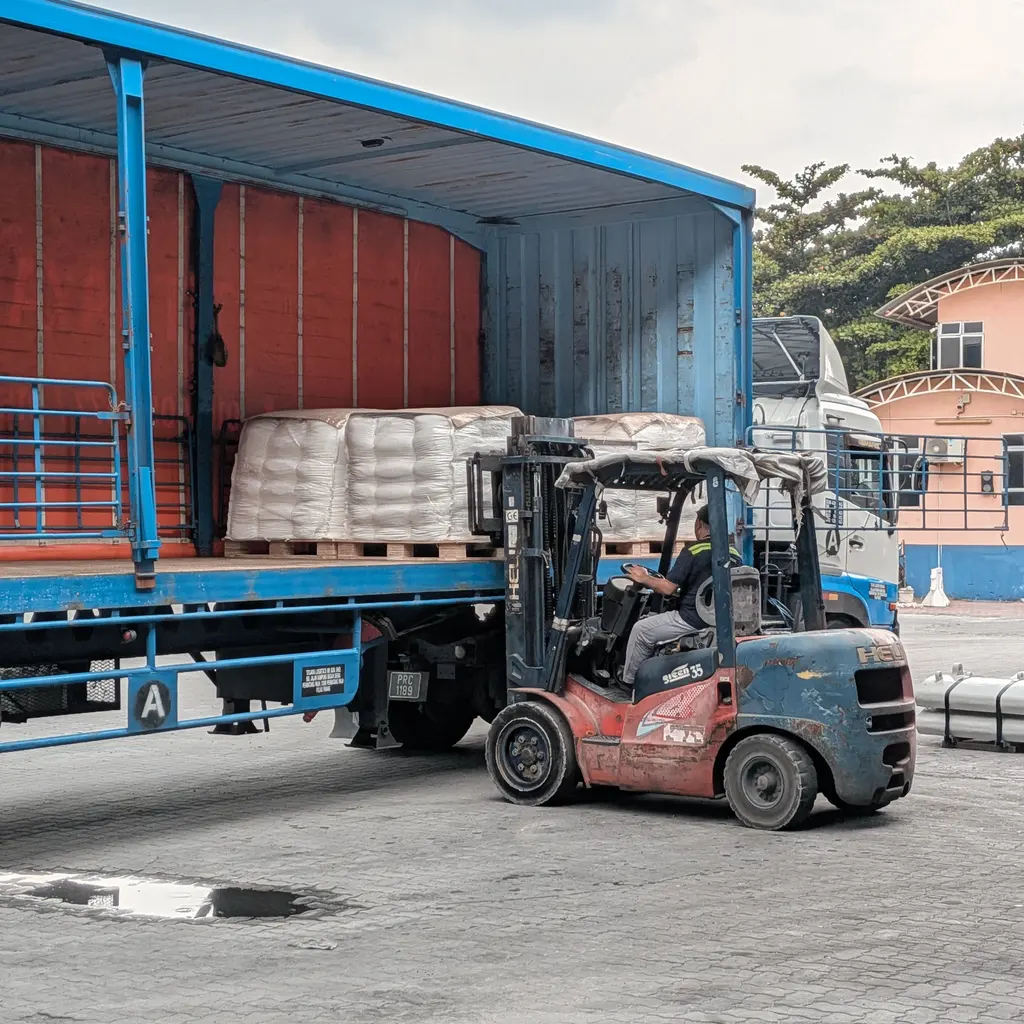
You operate a network where freight from multiple customers is consolidated and handled at various terminals before reaching the final delivery point. This frequent movement and sorting increase the risk of cargo damage and facility accidents.
The Southern Agency can review your terminal operations, cargo handling, and fleet logistics to help you select appropriate insurance. For example, we can help assess whether your coverage sufficiently connects terminal-based equipment failures with the freight you are responsible for transporting.
A damaged trailer can contain several owners' goods. The combined value matters more than the average pallet value.
Forklifts can crush freight during restacking. Misrouting adds disputes over delivery costs and financial losses that cargo insurance may exclude.
Loaders face lifting injuries and moving equipment; visiting drivers also walk through congested dock areas.
Fire or a failed conveyor can delay several lanes. Network delay alone does not establish an insured business-income loss.
Policies to ask about. Which ones fit depends on your operations, your contracts, and the carrier’s forms.
These hypothetical examples are not agency claim results. Whether a loss is covered depends on the facts, policy terms, and applicable exclusions.
A trailer collision damages freight belonging to six customers. Cargo recovery depends on total limits, valuation, and applicable exclusions.
A worker is injured during cross-docking. The employee's duties and compensation arrangement determine the injury response.
Restacking damages machinery before the next departure. Coverage must extend to that handling stage and location.
Start with the work you do and the questions your current policies leave unanswered. Carrier options depend on your location, risk, and underwriting. Explore our approach.
LTL involves multiple owners and repeated sorting. Limits and handling terms must fit the consolidated exposure.
Only if the cargo wording covers that location, custody period, and activity. A transit policy can restrict terminal storage.
Review buildings, leased improvements, and equipment you must insure. Those values are separate from customers' freight.
Released values can limit liability without matching the policy's settlement basis. Review both documents before accepting higher-value goods.
Employee handling injuries are reviewed under the applicable workers' compensation arrangement and job classifications.
Potentially, for qualifying insured equipment failures. Routine servicing, wear, and all downstream delivery delays are not presumed covered.
Bring your questions, current policies, and relevant contracts. An agent can review coverage terms, exclusions, and the information carriers ask for, then explain the options available to you.