

Load shift and cargo falling from the deck
Open-deck freight relies entirely on straps, chains, and binders; a securement failure can drop steel or lumber into traffic, causing serious accidents.
Try a different word, or check the spelling.
Your chains and tarps secure somebody else's freight, so their replacement value is not the same interest as the steel or machine on deck. Flatbed protection should fit open-load weather and handling, alongside rigging, driver work, and the truck itself.
The Southern Agency can help you protect your flatbed equipment and cargo.
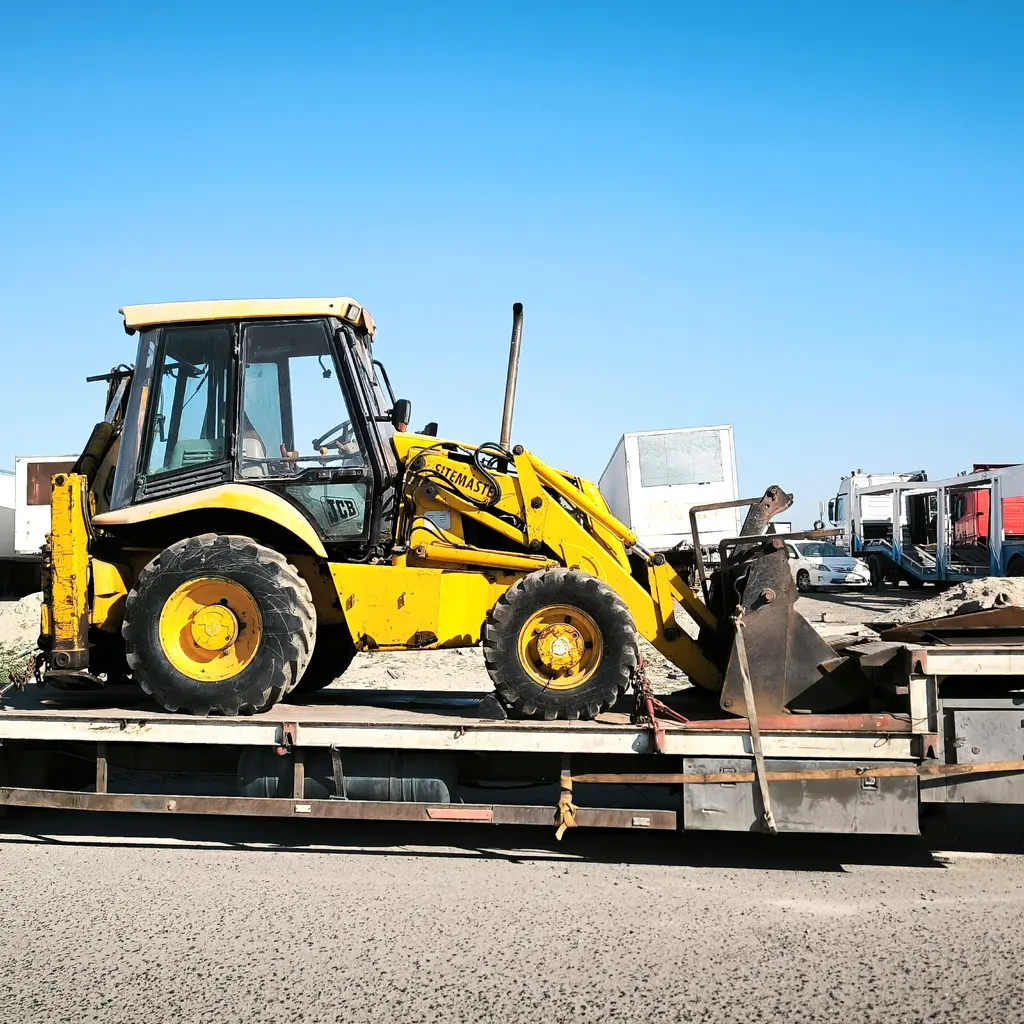
You haul heavy or oversized freight like steel and machinery using open trailers. Securing these loads requires drivers to climb and use specialized rigging, while highway transit exposes the cargo to weather and shifting.
The Southern Agency can review your fleet, cargo securement practices, and driver responsibilities to help you select appropriate insurance. For example, we can help verify inland marine coverage for your straps and tarps while assessing motor truck cargo limits for open-deck loads.
Open-deck freight relies entirely on straps, chains, and binders; a securement failure can drop steel or lumber into traffic, causing serious accidents.
Drivers climb onto trailers and loads to tarp and chain freight, creating elevated fall and strain injuries, particularly in rain, ice, or wind.
Steel, machinery, and building materials ride uncovered and can rust, scuff, or be damaged by weather and road debris during transit.
Long miles with heavy, sometimes overhanging loads raise the severity of collisions and the liability that follows.
Cranes, forklifts, and overhead loading at mills and construction sites create struck-by and dropped-load exposures during pickup and delivery.
Uneven or overloaded decks can cause overturns, axle violations, and roadway damage claims if the load is not balanced correctly.
Tall machinery or wide bundles can strike bridges, signs, or overhead lines, triggering property and infrastructure claims.
Policies to ask about. Which ones fit depends on your operations, your contracts, and the carrier’s forms.
These hypothetical examples are not agency claim results. Whether a loss is covered depends on the facts, policy terms, and applicable exclusions.
A binder fails and a length of pipe slides off the deck into an adjacent lane, damaging another vehicle. Auto liability and cargo coverage may respond, depending on policy terms and the facts of the incident.
A driver slips off the trailer while pulling a tarp over lumber and is injured. Workers' compensation may help with medical costs and lost wages, subject to the specific policy and state rules.
Suppose a storm wets uncovered steel and a consignee rejects the shipment for rust. Motor truck cargo may help only if the goods, cause, open-deck handling and timing meet actual terms. Review weather/wetness exclusions, any tarp requirements, loss documentation, valuation and deductible; ordinary deterioration or rejection alone does not establish insured physical loss.
Start with the work you do and the questions your current policies leave unanswered. Carrier options depend on your location, risk, and underwriting. Explore our approach.
Open-deck freight can shift or fall and drivers handle more physical rigging, raising both cargo and injury exposure. Pricing depends on freight type, securement, and loss history, subject to underwriting.
Motor truck cargo coverage may respond to weather-related damage to exposed freight, but terms and exclusions vary by load type. Coverage depends on the specific policy and endorsements.
Inland marine coverage may help protect securement gear and rigging equipment that travels with the truck. Coverage depends on policy terms and how the items are scheduled.
Auto liability commonly responds to third-party injury and property damage from a fallen load, while cargo coverage addresses the freight itself. Coverage depends on the facts and policy terms.
Requirements vary by state and how drivers are classified. Many flatbed operations carry workers' compensation for the fall and strain exposure of tarping and chaining, subject to state rules.
Yes. Umbrella or excess liability can add limits above auto and general liability, which the severity of jobsite and highway claims often makes advisable, subject to underwriting.
Bring your questions, current policies, and relevant contracts. An agent can review coverage terms, exclusions, and the information carriers ask for, then explain the options available to you.