

Liquid movement affects handling
Surging liquid can affect vehicle stability on curves or abrupt maneuvers. Load conditions and equipment configuration matter.
Try a different word, or check the spelling.
Your delivery is not finished when the truck stops; the hose, connection, and washout condition can affect the customer's product. Tanker protection should fit the actual liquid and transfer stages, with contamination, cleanout, rejection, and third-party cleanup distinguished from vehicle or cargo damage.
Talk with The Southern Agency about your operation, policy terms, and the information carriers need.
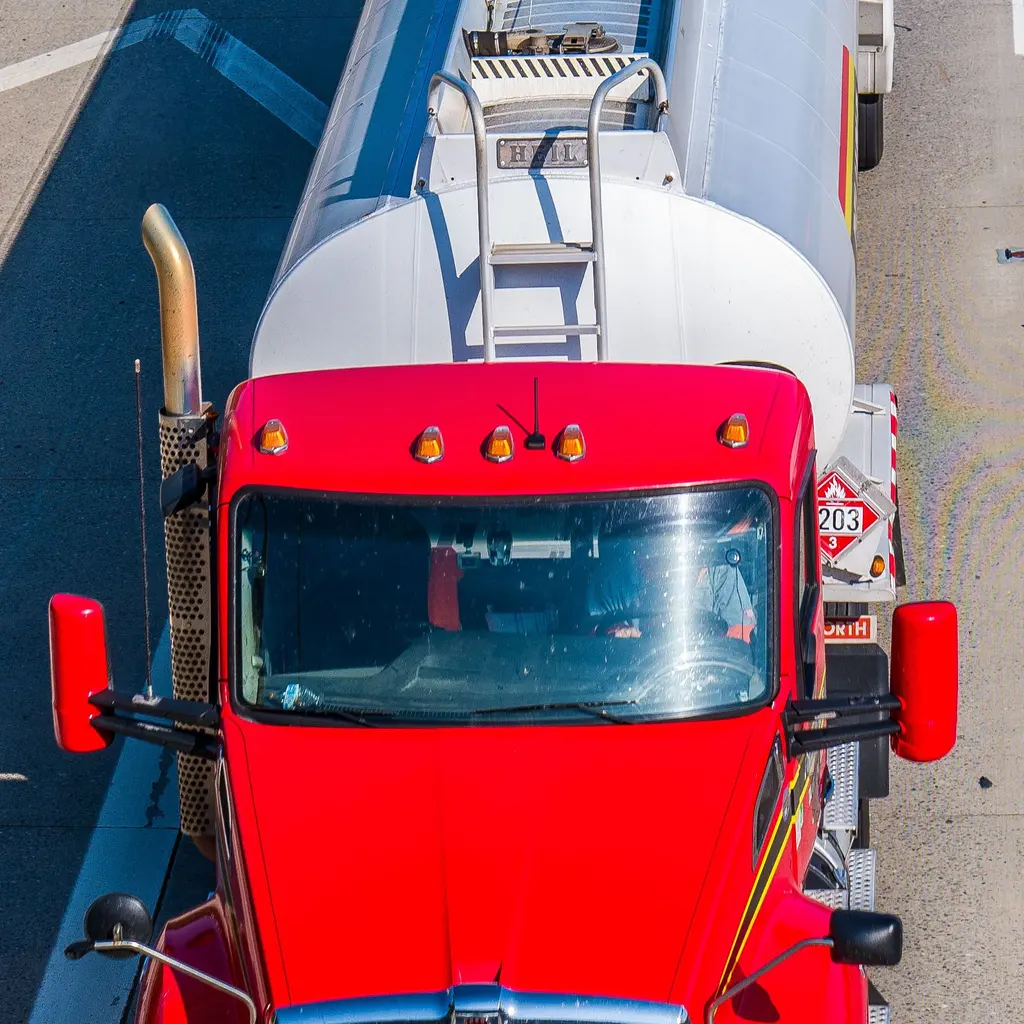
You transport bulk liquids, requiring specialized pumps and hoses for transfer. An accidental release of product during transit or at a customer's site can result in extensive cleanup obligations.
The Southern Agency can review your transfer process and the substances you carry to help you select appropriate insurance. We can discuss environmental and pollution liability options, as standard commercial auto or general liability policies often exclude spill-related costs.
Surging liquid can affect vehicle stability on curves or abrupt maneuvers. Load conditions and equipment configuration matter.
Fuel or chemicals can create cleanup and third-party injury claims; even other liquids can cause contamination.
Overfilling, hose failure or a wrong connection can damage a customer's premises or product.
Poor washout can affect food-grade cargo. Employees face hose, fall, and substance-contact hazards.
Policies to ask about. Which ones fit depends on your operations, your contracts, and the carrier’s forms.
These hypothetical examples are not agency claim results. Whether a loss is covered depends on the facts, policy terms, and applicable exclusions.
Road users and the environment are affected. Auto, pollution, and excess terms determine the separate responses.
Product spills at a terminal. Loading/unloading, covered substances, and site responsibilities govern cleanup and damage claims.
A customer rejects product after an inadequate washout. Contamination and cargo exclusions determine recovery; rejection alone is insufficient.
Start with the work you do and the questions your current policies leave unanswered. Carrier options depend on your location, risk, and underwriting. Explore our approach.
Liquid can surge and affect stability, depending on the load and tank design. Driver training and suitable equipment remain important.
Only appropriate auto pollution and environmental terms should be relied on. Review transport, transfer, and cleanup separately.
Identify the actual commodities and applicable obligations. Insurance must accept the operation; it does not certify regulatory compliance.
Review contamination, washout, and transfer provisions directly. Cargo protection does not automatically cover every rejected load or recall.
Applicable employee injury arrangements may address occupational exposure, depending on the facts and employment status.
One incident can combine road injuries and pollution losses. Confirm excess accepts both where intended rather than relying on a large headline limit.
Bring your questions, current policies, and relevant contracts. An agent can review coverage terms, exclusions, and the information carriers ask for, then explain the options available to you.