

Highway collision severity
Heavy vehicles and long routes can involve several injured road users in one accident.
Try a different word, or check the spelling.
One unattended trailer can hold a customer's entire shipment far from your home terminal. Truckload protection should fit that peak load and theft conditions, with leased equipment, roadside recovery and delays kept distinct from cargo damage or a liability claim.
Talk with The Southern Agency about your operation, policy terms, and the information carriers need.
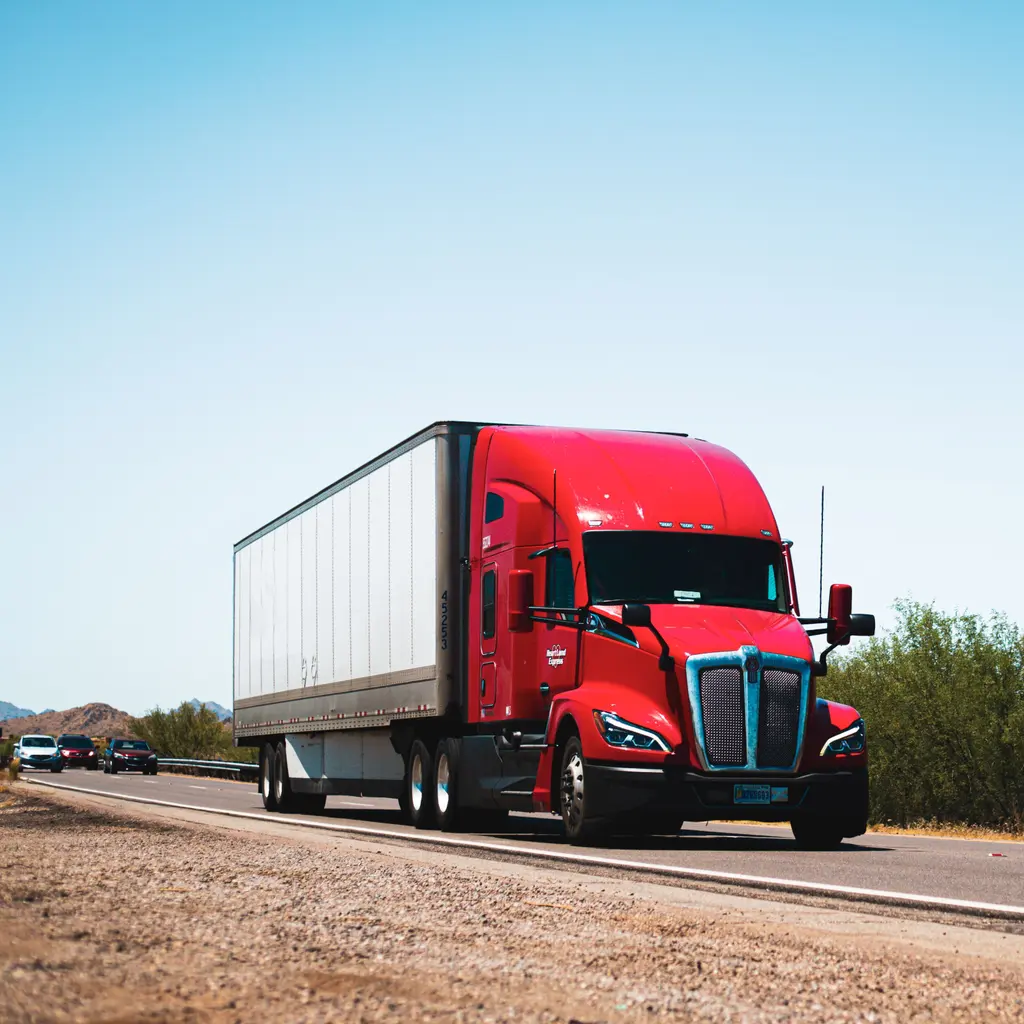
You move full trailers over long highway distances, which means your cargo is in transit for extended periods and often far from your home terminal. Protecting these shipments and the drivers handling them across multiple jurisdictions is a central part of your business.
The Southern Agency can review your highway routes, cargo values, and fleet equipment to help you select appropriate insurance. We can assist in connecting your long-distance cargo protection with the specific liability coverage required for your over-the-road operations.
Heavy vehicles and long routes can involve several injured road users in one accident.
Tight schedules, overnight driving, and unfamiliar weather require consistent driver supervision and trip planning.
One unattended trailer can hold a customer's entire shipment. Theft conditions and commodity exclusions affect cargo recovery.
A breakdown can strand freight hundreds of miles away. Repair, recovery, and delivery-delay costs are different exposures.
Policies to ask about. Which ones fit depends on your operations, your contracts, and the carrier’s forms.
These hypothetical examples are not agency claim results. Whether a loss is covered depends on the facts, policy terms, and applicable exclusions.
Several motorists claim injuries after a collision. Primary auto and applicable excess limits respond according to liability and policy terms.
A trailer disappears overnight at a stop. Cargo theft conditions, security facts, and settlement values control the claim.
A driver falls during a roadside inspection. Employee status, jurisdiction, and the injury policy determine benefits.
Start with the work you do and the questions your current policies leave unanswered. Carrier options depend on your location, risk, and underwriting. Explore our approach.
Determine applicable authority and filing obligations, then consider collision severity and contracts. A statutory minimum is not a recommended universal limit.
Potentially, when theft is insured and security conditions are met. Review unattended and detached-trailer restrictions.
Scheduling, hours-of-service practices, and driver records help describe the exposure; they do not guarantee a price or coverage.
Ordinary mechanical failure, wear, and lost delivery revenue are not automatically auto physical-damage claims. Ask about specific recovery or downtime endorsements.
Review employees and owner-operators by duties and jurisdiction. Accident benefits and workers' compensation are not interchangeable.
A serious crash can exceed primary limits. Excess applies only above covered underlying risks and according to its attachment terms.
Bring your questions, current policies, and relevant contracts. An agent can review coverage terms, exclusions, and the information carriers ask for, then explain the options available to you.