

Cold storage fails
A cooler or power problem can damage temperature-sensitive stock before delivery.
Try a different word, or check the spelling.
Your truck can complete its route without the dairy load meeting the temperature conditions it needed. Refrigerated-stock insurance should distinguish the product's condition from vehicle damage, with monitored transit, stationary coolers, and truck-mounted units included only on their actual terms.
Talk with The Southern Agency about your operation, policy terms, and the information carriers need.
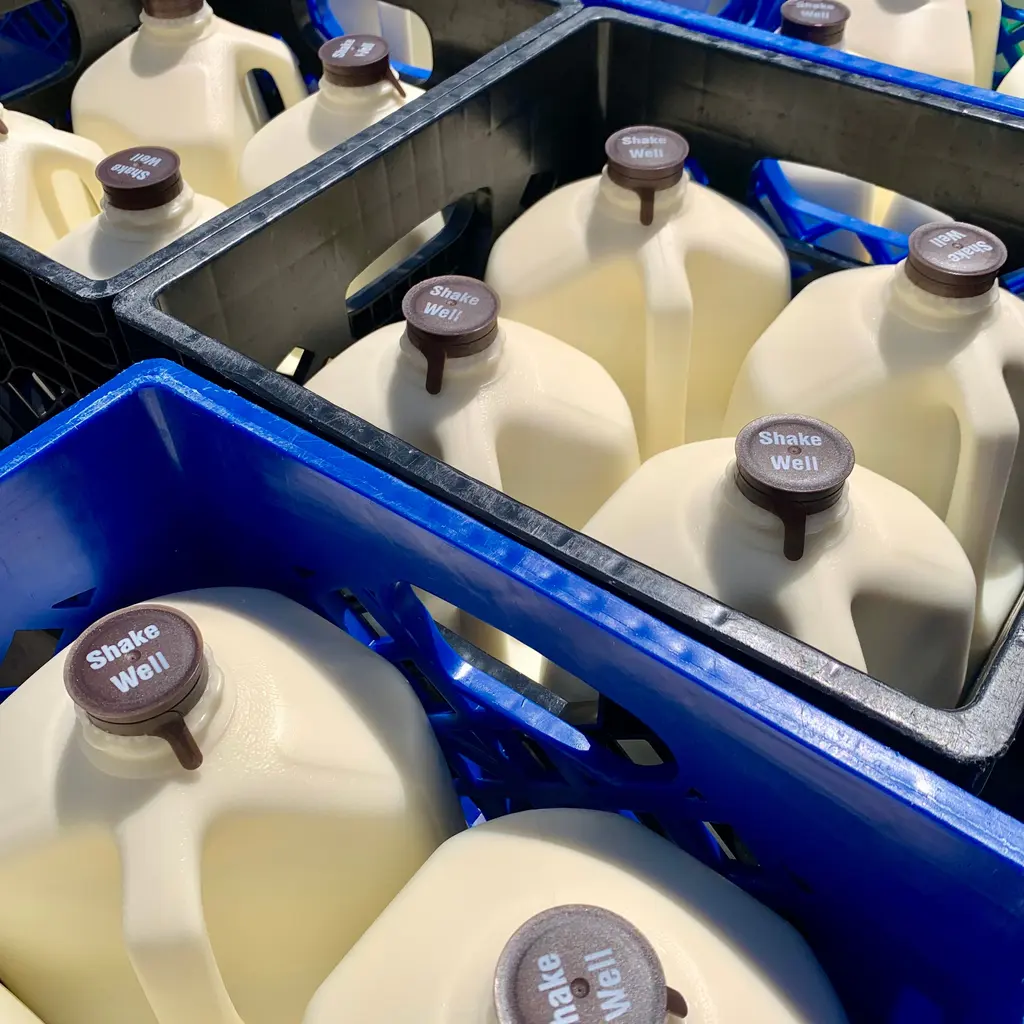
You distribute perishable dairy products from processors to retail outlets, relying on specific cold-chain and handling processes. A mechanical refrigeration failure or a contamination event can lead to lost stock and consumer injury claims.
The Southern Agency can review your handling and transport procedures to help you select appropriate insurance. We can discuss how breakdown insurance may address cooling equipment failures versus how product liability handles food-related injury claims.
A cooler or power problem can damage temperature-sensitive stock before delivery.
Transit conditions can make a load unsuitable even when the truck is not damaged.
Contamination and allergens can create injury claims and separate withdrawal expenses.
Staff lift crates and cases on wet or cold surfaces around vehicles.
Policies to ask about. Which ones fit depends on your operations, your contracts, and the carrier’s forms.
These hypothetical examples are not agency claim results. Whether a loss is covered depends on the facts, policy terms, and applicable exclusions.
Breakdown and spoilage terms determine machine repairs and affected stock recovery.
Cargo temperature triggers govern the load; truck repair uses separate terms.
Product injury and retrieval/disposal expenses need different protection.
Start with the work you do and the questions your current policies leave unanswered. Carrier options depend on your location, risk, and underwriting. Explore our approach.
Not automatically. Suitable spoilage terms can be provided through different policy arrangements; review causes and exclusions rather than assuming one mandatory form.
Suitable cargo terms must include the products, conveyances, and temperature cause, not just ordinary collision damage.
Resellers can face food injury allegations. Declared products and duties must fit the policy.
Assess actual retrieval and disposal responsibilities. Ordinary product liability does not automatically reimburse a supplier-driven recall.
Applicable compensation should describe both driving and cold-storage handling; loading liability and employee injury are separate.
Products, values, cold-chain controls, routes, equipment, recall duties, and losses inform underwriting; no standard price is implied.
Bring your questions, current policies, and relevant contracts. An agent can review coverage terms, exclusions, and the information carriers ask for, then explain the options available to you.