

Temperature control fails
Cooler, freezer or power faults can leave seafood unfit for sale.
Try a different word, or check the spelling.
Tracing and collecting a seafood lot can cost your business money independently of a consumer's illness claim. Fish-product and cold-chain insurance need separate terms for those interests, with the actual species, temperature causes, and refrigeration equipment—not a blanket spoilage assumption—guiding the discussion.
Talk with The Southern Agency about your operation, policy terms, and the information carriers need.
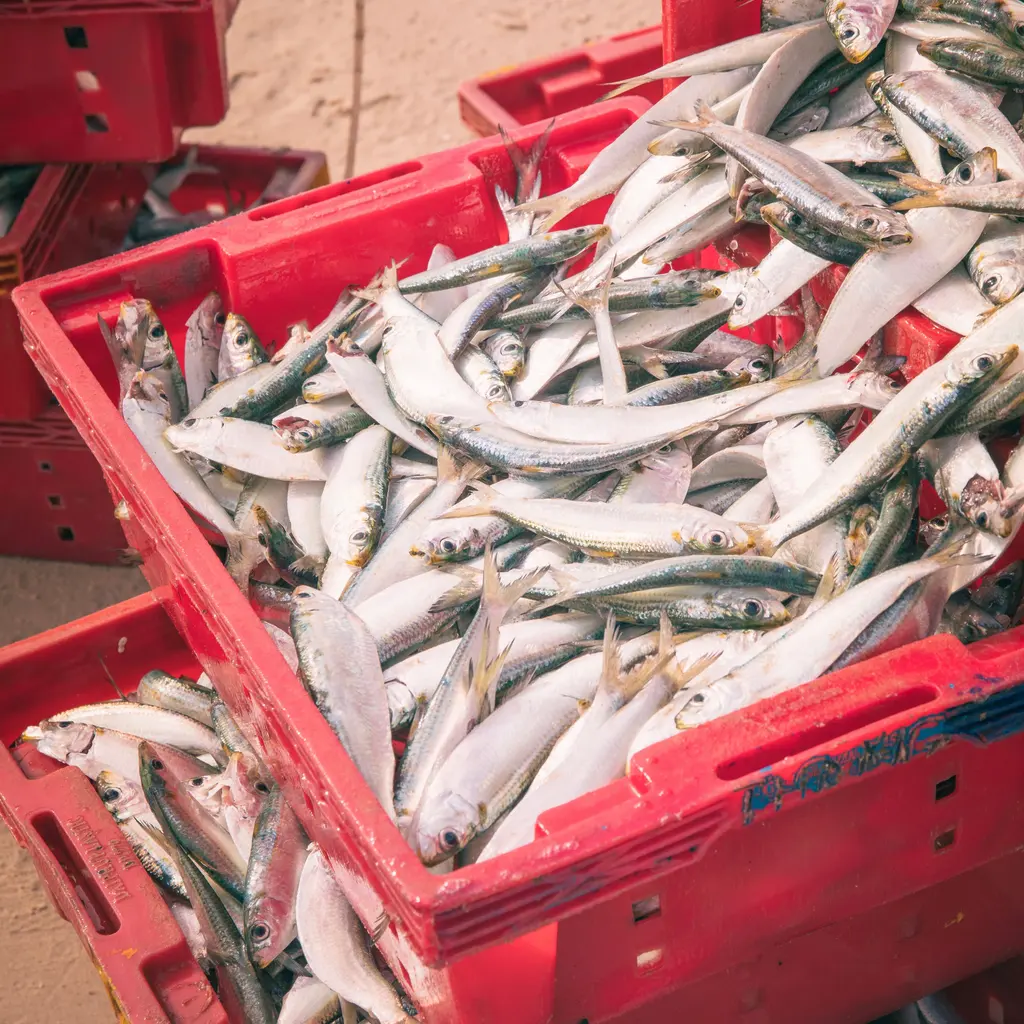
You manage a cold chain for perishable seafood, where freezer malfunctions can ruin inventory and food safety issues can lead to illness-related liability claims.
The Southern Agency can review your storage and delivery chain to help you select insurance for temperature-controlled stock and food safety risks.
Cooler, freezer or power faults can leave seafood unfit for sale.
Pathogens or species-related hazards such as histamine can lead to consumer claims; not every seafood product has the same risk.
Tracing, collecting, and destroying affected lots creates costs distinct from injury claims.
Reefer failures threaten loads, while wet floors, knives, and lifting expose staff to injury.
Policies to ask about. Which ones fit depends on your operations, your contracts, and the carrier’s forms.
These hypothetical examples are not agency claim results. Whether a loss is covered depends on the facts, policy terms, and applicable exclusions.
A compressor fails overnight and stored fish warms beyond usable temperatures. Qualifying machinery repair and seafood spoilage need separate breakdown and stock provisions. Check the product, failure cause and spoilage limit rather than relying on repair cover alone.
A supplier reports contamination in a lot already delivered to customers. Tracing and collecting it raise recall-expense questions; an illness allegation raises product liability. The supplier's notice alone does not establish insurance for all retrieval, replacement or customer costs.
A refrigeration unit stops mid-route and a seafood shipment is spoiled. Cargo wording must include the seafood and temperature-loss cause, with monitoring and handling conditions met. Vehicle damage and the spoiled load are separate interests.
Start with the work you do and the questions your current policies leave unanswered. Carrier options depend on your location, risk, and underwriting. Explore our approach.
Review the failure cause and selected spoilage/utility terms; equipment repair cover alone is insufficient.
Covered illness allegations may fall under product liability, subject to the product and exclusions.
Only suitable recall protection should be relied on for tracing, withdrawal, and disposal.
Check cargo temperature protection, refrigeration conditions, and who bears the loss at that stage.
A covered shutdown may reduce earnings. Income terms, waiting periods, and seasonal sales determine the response.
Yes. Declare cutting, lifting, and wet-area duties when arranging employee protection under applicable rules.
Bring your questions, current policies, and relevant contracts. An agent can review coverage terms, exclusions, and the information carriers ask for, then explain the options available to you.