

Stored meat warms
Refrigeration or power failure can damage large stock values.
Try a different word, or check the spelling.
An upstream supplier's meat can reach your buyers before an illness allegation or withdrawal is raised. Your product protection still needs the distribution role accepted, with retrieval expenses, temperature loss and refrigeration repair kept distinct from defending a covered consumer claim.
Talk with The Southern Agency about your operation, policy terms, and the information carriers need.
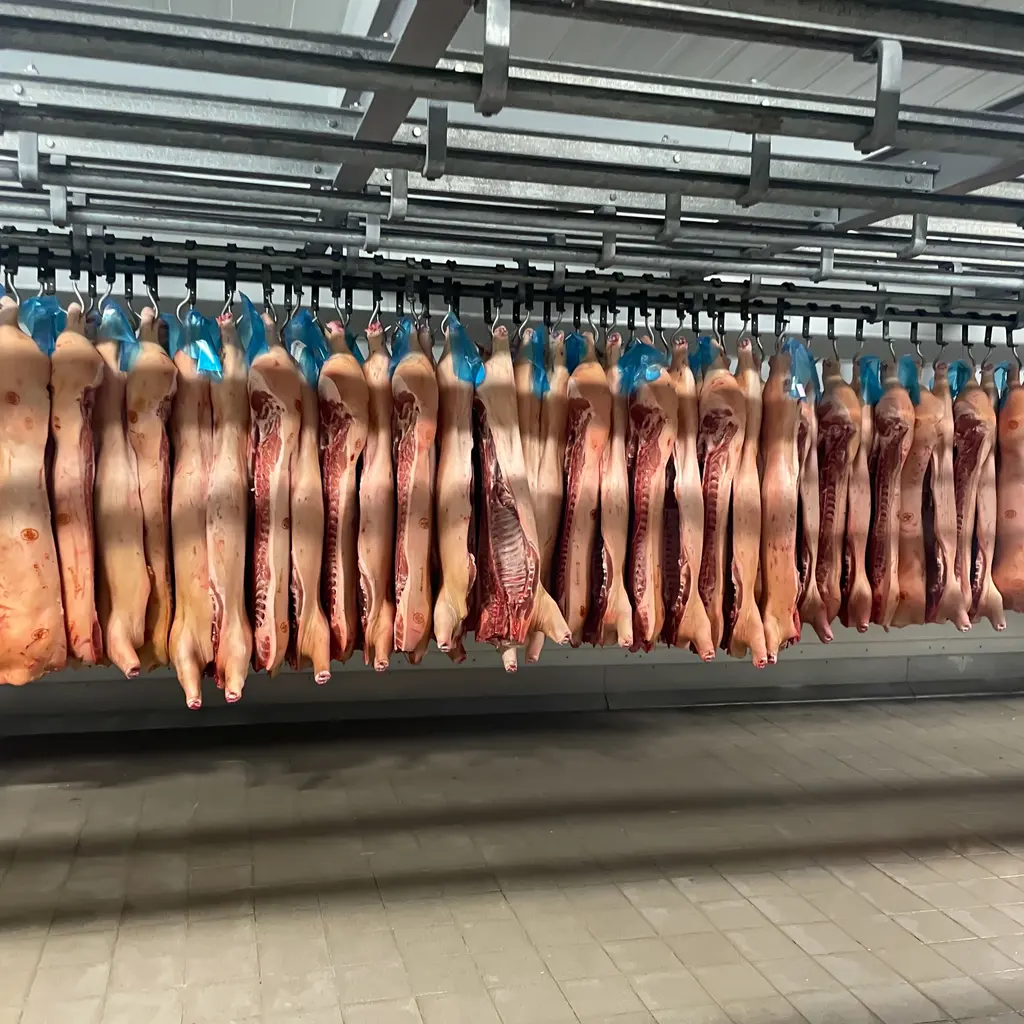
You deliver fresh and frozen meat products to grocers and kitchens, where maintaining cold-chain integrity is critical. A refrigeration failure can ruin your inventory, while products already delivered may trigger supplier recalls or illness allegations that can impact your business.
The Southern Agency can review your cold rooms, supplier responsibilities and refrigerated routes to help you select insurance. We can separate spoiled-stock protection and refrigeration repairs from product injury claims, recall expenses and cargo losses.
Refrigeration or power failure can damage large stock values.
Illness allegations and withdrawals can involve products received from an upstream supplier.
Reefer failure, collisions, and handling can affect meat between facilities.
Slips, lifting, cutting, and cold exposure affect staff; shutdowns also threaten earnings.
Policies to ask about. Which ones fit depends on your operations, your contracts, and the carrier’s forms.
These hypothetical examples are not agency claim results. Whether a loss is covered depends on the facts, policy terms, and applicable exclusions.
A compressor fails over the weekend and stored meat warms beyond usable temperatures. Equipment repair, spoiled stock and lost income need their own included benefits and limits; repair coverage alone does not insure the meat.
A supplier recalls a lot you have already delivered to restaurants. Retrieval and disposal expenses need suitable recall terms, while a customer's illness allegation raises a separate product liability question. Supplier reimbursement and customer chargebacks depend on the agreements, not just the recall notice.
A truck's refrigeration unit fails before delivery and the meat is spoiled. Cargo terms must include the product and temperature-loss cause, with monitoring and handling conditions met. Insuring the truck itself does not establish coverage for its load.
Start with the work you do and the questions your current policies leave unanswered. Carrier options depend on your location, risk, and underwriting. Explore our approach.
Only selected stock/spoilage terms triggered by the failure should be relied on, not repair cover alone.
Yes, allegations and contractual costs can still reach the distributor; liability and recall need separate review.
Only where cargo terms include the product, reefer cause, and applicable conditions.
Declare cold exposure, lifting, and handling for employee protection under applicable rules.
External utility, spoilage, and income terms must accept the event; an outage alone does not guarantee payment.
Traceability and sanitation help assess and manage the risk; they do not prove a claim is insured or every regulatory duty satisfied.
Bring your questions, current policies, and relevant contracts. An agent can review coverage terms, exclusions, and the information carriers ask for, then explain the options available to you.