

Stored poultry warms
Cooling, power, or control faults can damage stock; a door left open may have different treatment.
Try a different word, or check the spelling.
A freezer door left open, a control fault and an external power failure can affect your poultry stock under different terms. Cold-chain protection needs the actual cause and location, with lot notification, retrieval, and replacement distinguished from refrigeration repair or a consumer's illness claim.
Talk with The Southern Agency about your operation, policy terms, and the information carriers need.
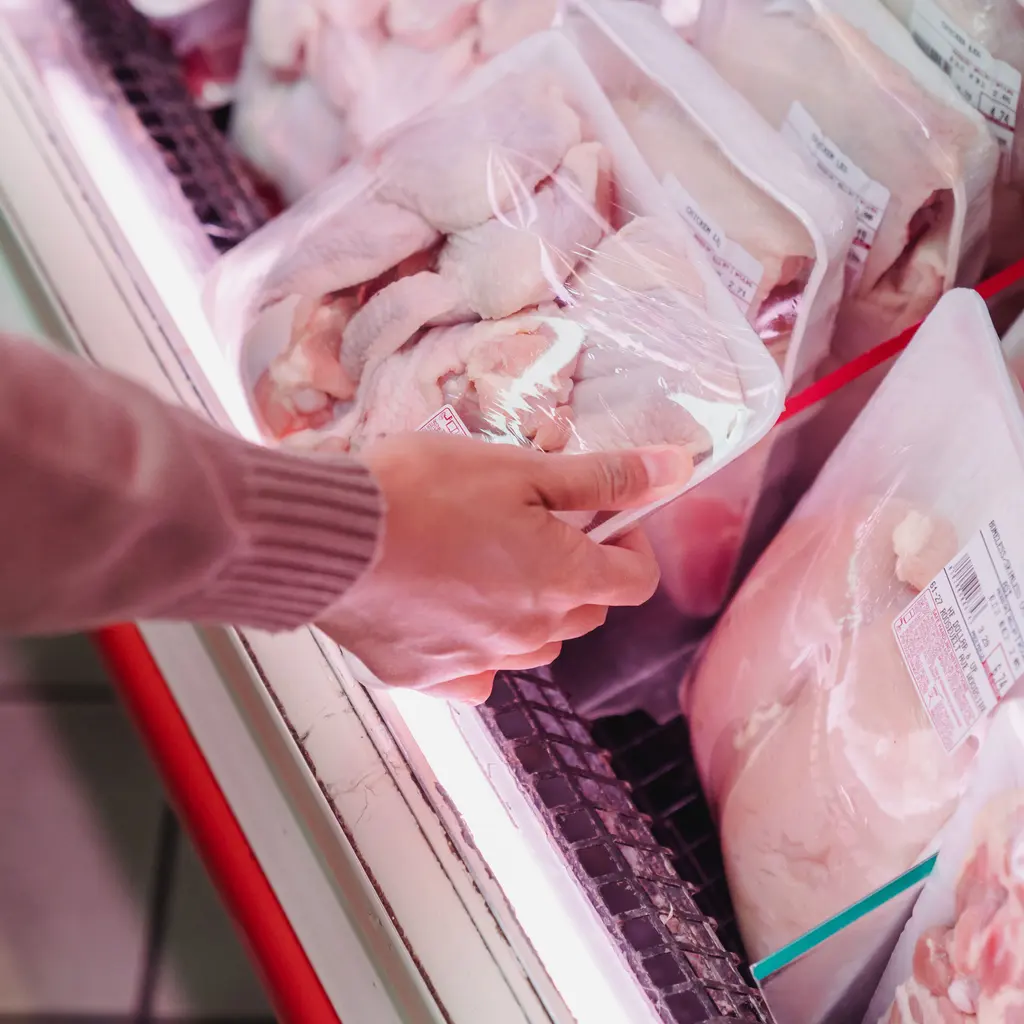
You distribute refrigerated poultry products, relying on temperature-controlled storage and delivery vehicles. A mechanical failure in your cooling system can spoil your inventory, while a contaminated lot can lead to consumer illness claims and withdrawal costs.
The Southern Agency can review your temperature control protocols and distribution chain to help you select appropriate insurance. We can evaluate how your coverage applies to stock loss from equipment breakdown versus liability for illness claims or cargo spoilage.
Cooling, power, or control faults can damage stock; a door left open may have different treatment.
Pathogens or labeling errors can lead to illness claims across buyers.
Identifying lots, notifying buyers, and retrieving product costs money apart from injury damages.
Reefer failure threatens loads; icy/wet floors, lifting, and driving expose staff.
Policies to ask about. Which ones fit depends on your operations, your contracts, and the carrier’s forms.
These hypothetical examples are not agency claim results. Whether a loss is covered depends on the facts, policy terms, and applicable exclusions.
A compressor fails overnight and chilled poultry warms before staff arrive. Breakdown protection may help with covered compressor repairs, while spoiled poultry depends on the stock benefits and limits selected. Identify the failure and alarm records; an open door or outside power interruption can have different treatment.
Several buyers report illness allegations linked to poultry from one delivered lot. Product liability may help with covered defense and damages, while a recall can require tracing, notifying and retrieving stock before responsibility is established. Keep those expenses separate and follow the relevant reporting and consent terms.
A reefer fails before the customer accepts a poultry delivery and the buyer rejects the warm load. Cargo protection may help only if the goods, insured interest and cause fit the form. Preserve temperature and handoff records; rejection alone does not prove insured spoilage or payment for disposal and replacement.
Start with the work you do and the questions your current policies leave unanswered. Carrier options depend on your location, risk, and underwriting. Explore our approach.
Basic property is insufficient to assume spoilage cover; check stock, utility, and breakdown triggers.
Suitable product liability may address covered harm, while recall terms govern selected withdrawal costs.
Only cargo wording accepting the product, cause, and required temperature controls should be relied on.
Cold systems can stop storage and dispatch; repair, spoilage, and income need coordinated terms.
Declare cold-room, loading, and route duties for protection under applicable rules.
Income needs a qualifying insured trigger and adequate restoration terms, not simply a sales interruption.
Bring your questions, current policies, and relevant contracts. An agent can review coverage terms, exclusions, and the information carriers ask for, then explain the options available to you.