

A shared cold system fails
Several chilled or frozen categories may depend on the same compressor or power supply.
Try a different word, or check the spelling.
Several cold zones may depend on one compressor, while an order-platform attack can stop dispatch for a different reason. Your grocery protection should distinguish those shared dependencies, with nonfood stock, covered interruption triggers, and retailer reimbursements considered beyond the value of the food.
Talk with The Southern Agency about your operation, policy terms, and the information carriers need.
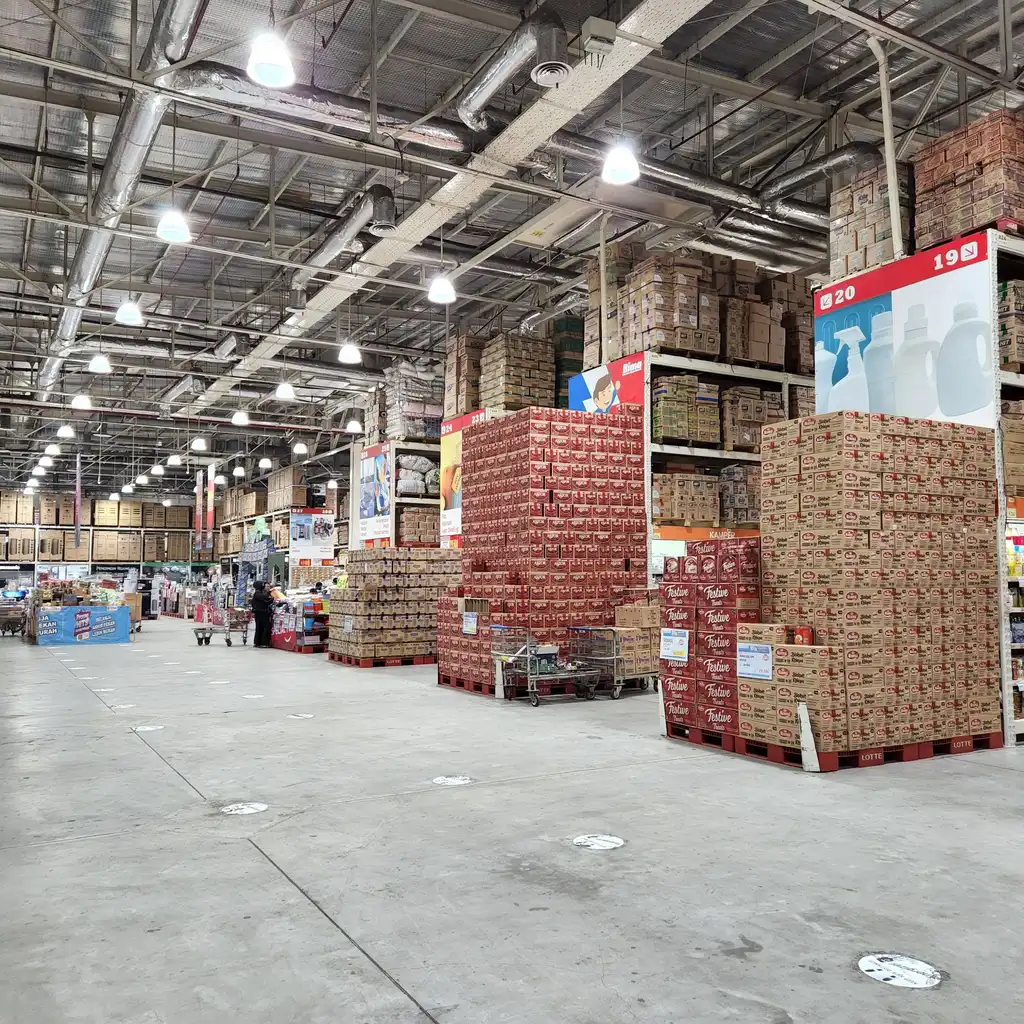
You assemble and ship orders for a variety of food and household goods through your warehouse and cold-storage zones. A system breach or a mechanical fault can stop your ability to dispatch orders even if your physical inventory remains intact.
The Southern Agency can review your warehouse systems, refrigeration, and ordering platforms to help you select appropriate insurance. We can help you identify how your cyber and equipment breakdown coverage can be configured to address system interruption and stock loss.
Several chilled or frozen categories may depend on the same compressor or power supply.
One supplier's product can reach many accounts before a problem is identified.
An attack can expose information or prevent the warehouse from receiving usable orders.
Mixed loads can be stolen or spoiled; forklifts, conveyors, and trucks expose workers and others.
Policies to ask about. Which ones fit depends on your operations, your contracts, and the carrier’s forms.
Ready to compare options?
Get a quote for Grocery and Related Product Distributor Or call 1-800-777-1TSAThese hypothetical examples are not agency claim results. Whether a loss is covered depends on the facts, policy terms, and applicable exclusions.
One compressor fails and several chilled or frozen warehouse zones lose cooling. Breakdown may help repair covered internal damage; spoilage and income depend on the extensions purchased, affected stock and shared-zone limits. Use temperature and inventory records to establish loss rather than assume every product, zone and unfilled order is paid.
A supplier identifies a suspect food lot already shipped across customer accounts, which request collection and disposal. Review any accepted recall trigger, expenses and consent separately from claims alleging consumer injury. Product liability alone does not fund retrieval, replacement, store chargebacks or every missed sale.
A ransomware attack locks the ordering platform and dispatch stops although warehouse stock is undamaged. Cyber terms may help with covered response and purchased interruption after the applicable waiting period. Identify whether your system or a provider was affected; a platform contract and ordinary property-income cover do not establish all outage costs or retailer penalties.
Start with the work you do and the questions your current policies leave unanswered. Carrier options depend on your location, risk, and underwriting. Explore our approach.
Coordinate property, food/product, refrigeration, fleet, cargo, employees, and systems according to the operation.
Selected spoilage protection needs an insured cause; equipment repair alone does not establish stock cover.
A recall can affect many stores, but product liability does not automatically fund retrieval or customer chargebacks.
Online ordering and account data create privacy and downtime exposure even without a physical warehouse loss.
Declare actual duties and locations for employee protection; auto and workers' compensation address different losses.
Property income generally requires a qualifying insured event. Cyber interruption and vendor dependence need separate terms.
Bring your questions, current policies, and relevant contracts. An agent can review coverage terms, exclusions, and the information carriers ask for, then explain the options available to you.