

Cooling or handling damages produce
Temperature, humidity, and bruising can leave a shipment rejected.
Try a different word, or check the spelling.
Produce can keep ripening in your care, so a buyer's rejection does not by itself identify an insured loss. Fruit-and-vegetable cover needs the actual cooling, humidity, and handling causes, with mixed-load bruising, ordinary decay, and withdrawal expenses considered separately from consumer injury.
Talk with The Southern Agency about your operation, policy terms, and the information carriers need.
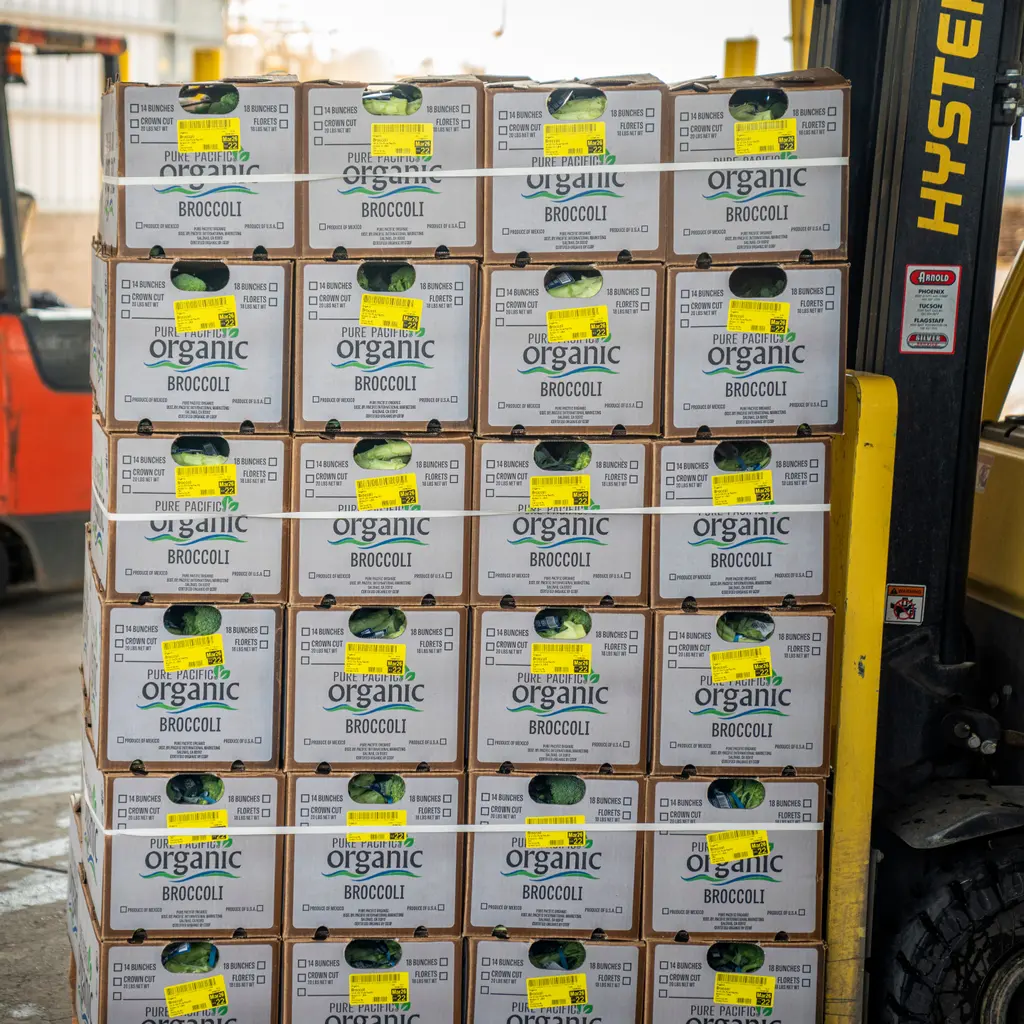
You source and distribute fresh produce that requires careful handling, cooling, and ripening to remain saleable. A cooling failure or a mistake in delivery can quickly lead to stock loss or customer complaints that impact your bottom line.
The Southern Agency can review the produce you handle, any ripening work and your cold-room and delivery dependencies. We can help separate qualifying equipment and stock losses from ordinary decay or buyer rejection, then compare illness liability with your actual recall and replacement duties.
Temperature, humidity, and bruising can leave a shipment rejected.
A pathogen allegation can affect buyers supplied from the same lot.
Vehicle accidents or reefer faults can damage mixed produce loads.
Cold-room damage can interrupt sales; conveyors, forklifts, and damp floors also threaten workers.
Policies to ask about. Which ones fit depends on your operations, your contracts, and the carrier’s forms.
Ready to compare options?
Get a quote for Fresh Fruit and Vegetable Distributor Or call 1-800-777-1TSAThese hypothetical examples are not agency claim results. Whether a loss is covered depends on the facts, policy terms, and applicable exclusions.
Breakdown and spoilage terms determine eligible stock and repair costs.
Product liability and recall expense forms address different costs; traceability supports identifying affected shipments.
Cargo wording and temperature evidence govern any produce-loss payment.
Start with the work you do and the questions your current policies leave unanswered. Carrier options depend on your location, risk, and underwriting. Explore our approach.
The cause and spoilage terms matter. Breakdown repair alone does not insure every ripening or humidity loss.
Product liability may address covered illness allegations tied to distributed produce; exclusions and evidence remain important.
Separate recall terms are needed to assess withdrawal, notification, and destruction expenses.
Review cargo temperature and handling conditions, not just the truck's auto policy.
Covered damage may trigger income protection; ordinary short shelf life or lost demand does not establish a claim.
Update reported stock and limits before harvest or import peaks.
Controls and lot records help assess the exposure and investigate losses, but do not guarantee coverage or pricing.
Bring your questions, current policies, and relevant contracts. An agent can review coverage terms, exclusions, and the information carriers ask for, then explain the options available to you.