

Heavy material falls
Coils and bundles can injure people and damage vehicles or customer property.
Try a different word, or check the spelling.
An alloy or cut can be wrong for the order without causing the same loss as a damaged coil or downstream physical harm. Your metal-stock and product terms should distinguish rejection, rework, and resulting damage, with processing machinery and changing commodity values reviewed on their own terms.
Talk with The Southern Agency about your operation, policy terms, and the information carriers need.
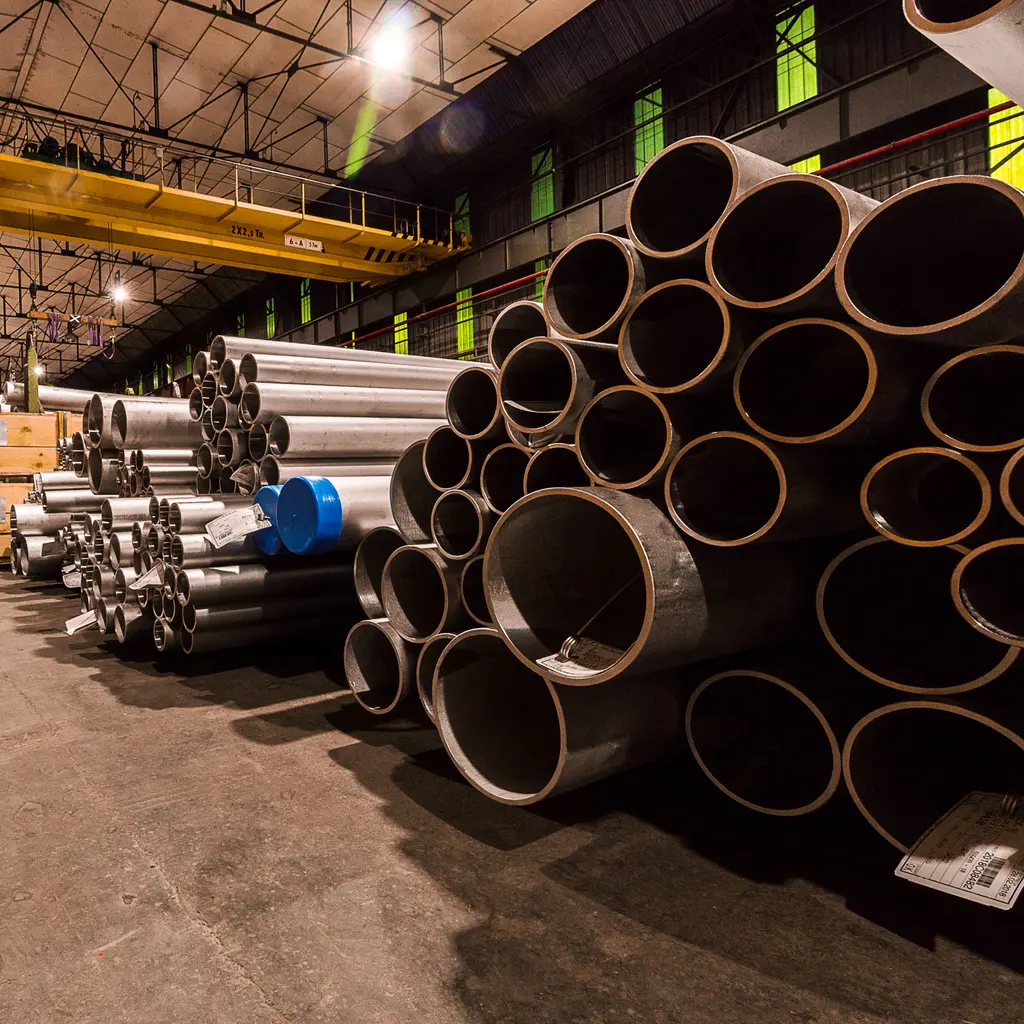
You stock coils, plates and bars, often cutting or slitting material before shipment using heavy machinery. A dropped load, equipment failure or mistake in identifying an alloy can cause physical loss or result in shipping the wrong grade.
The Southern Agency can review what you stock, how you cut or certify it and who handles loading and delivery. We can help separate stock and machinery damage from product claims and specification errors, then compare flatbed liability with protection for the metal carried.
Coils and bundles can injure people and damage vehicles or customer property.
Saws, shears and slitters create crush, cutting, and entanglement hazards.
Material errors can cause downstream damage or purely financial rejection costs.
Fire, alloy theft, and equipment failure threaten inventory and fulfillment; metal prices change values.
Policies to ask about. Which ones fit depends on your operations, your contracts, and the carrier’s forms.
Ready to compare options?
Get a quote for Metal Service Center and Other Metal Distributor Or call 1-800-777-1TSAThese hypothetical examples are not agency claim results. Whether a loss is covered depends on the facts, policy terms, and applicable exclusions.
Employee injury, third-party damage, and stock loss need separate policy allocation.
Resulting damage differs from replacement of out-of-spec material.
Breakdown and linked income triggers determine repair and lost earnings.
Start with the work you do and the questions your current policies leave unanswered. Carrier options depend on your location, risk, and underwriting. Explore our approach.
Cutting and slitting add processing exposures; describe the work rather than relying on a warehouse label.
Review stock values and valuation periodically. Market decline itself is not insured physical damage.
Cutting to size can still lead to allegations about supplied grade or dimensions. Review accepted products and processing for resulting injury or other-property damage; correcting the cut, replacing rejected stock and a purely financial specification claim may need different terms.
Equipment repair, dropped-load stock damage, and injury have different triggers; breakdown is not every handling accident.
Only suitable yard-stock terms apply; check weather, rust, and theft restrictions.
Auto addresses declared trucks; cargo and loading terms address eligible metal-load losses.
Bring your questions, current policies, and relevant contracts. An agent can review coverage terms, exclusions, and the information carriers ask for, then explain the options available to you.