

Roof loading goes wrong
Dropped bundles or excess placement weight can damage property or injure people.
Try a different word, or check the spelling.
A rooftop delivery includes the weight and position of the bundles, not just the boom truck's trip to the address. Your roofing-stock insurance needs hoisting and placement expressly considered, with resulting building damage, failed-material replacement, and any roof access treated as different duties.
Talk with The Southern Agency about your operation, policy terms, and the information carriers need.
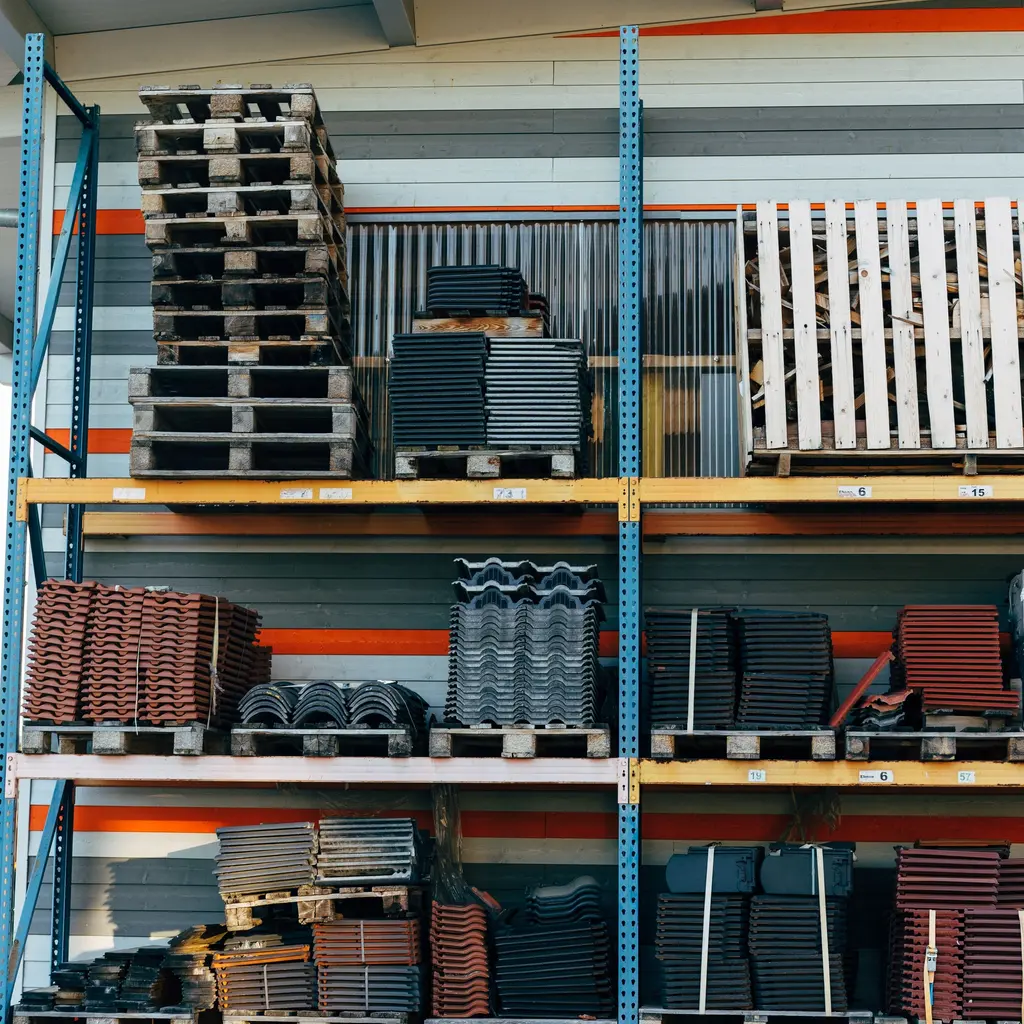
You manage heavy roofing inventory and coordinate deliveries that often include using boom trucks to place materials on rooftops. Falling bundles can damage buildings or injure pedestrians, while defective materials can lead to claims months after installation.
The Southern Agency can review your yard operations and rooftop-placement methods to help you select appropriate insurance. For example, we can evaluate whether your inland marine and liability policies expressly include hoisting risks and material damage.
Dropped bundles or excess placement weight can damage property or injure people.
Road travel and lifting equipment create different auto/equipment interests.
Leaks or early failure can lead to resulting-damage, warranty, and replacement demands.
Palletized products, forklifts, fire, and storm-driven demand peaks create property and injury risks.
Policies to ask about. Which ones fit depends on your operations, your contracts, and the carrier’s forms.
These hypothetical examples are not agency claim results. Whether a loss is covered depends on the facts, policy terms, and applicable exclusions.
Accepted hoisting scope and accident facts determine covered customer-property claims.
Resulting damage differs from defective shingle/roof replacement and promised service life.
Property causes, disclosed materials, and income terms govern eligible loss.
Start with the work you do and the questions your current policies leave unanswered. Carrier options depend on your location, risk, and underwriting. Explore our approach.
Overhead loads and placement weight expose occupied structures and people to more than ordinary dock delivery.
A supplier can face defect allegations; warranties and replacement costs require separate review.
Both interests may arise. Coordinate driving, lifting, equipment damage, and cargo rather than relying on vehicle registration.
Review stock limits before storm-driven or seasonal peaks arrive.
GL may address covered visitor injury, with forklift, loading, and worker relationships considered.
Additional limits may help accepted severe claims, but exclusions and primary scope still control.
Bring your questions, current policies, and relevant contracts. An agent can review coverage terms, exclusions, and the information carriers ask for, then explain the options available to you.