

Living stock is lost
Temperature, ventilation, or humidity faults can injure plants and flowers.
Try a different word, or check the spelling.
A greenhouse plant, a ceramic pot and a bag of media can travel together without sharing the same loss terms. Your nursery-stock cover should identify living goods, structures, and hardgoods, with frost, breakage and actual fertilizer releases addressed rather than assumed included under ordinary cargo.
Talk with The Southern Agency about your operation, policy terms, and the information carriers need.
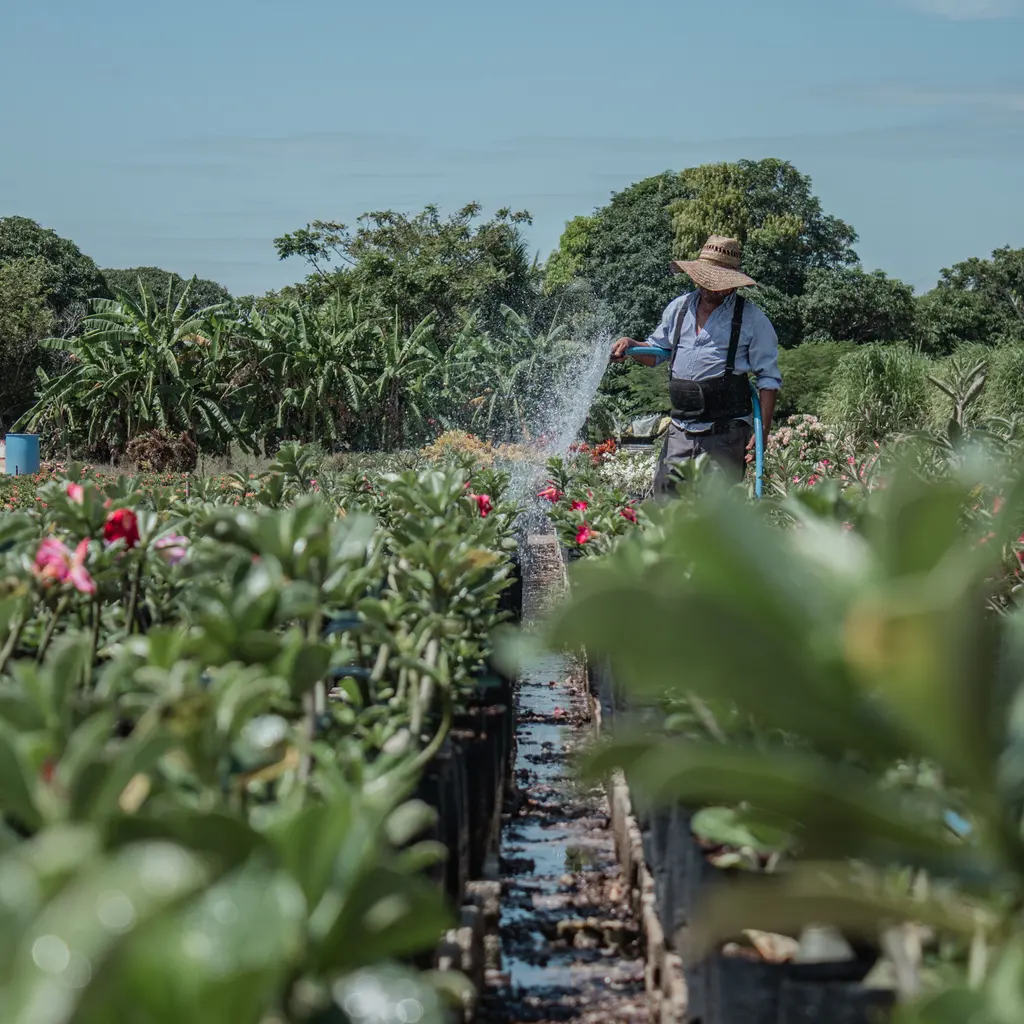
You manage a diverse range of living plants and bulky supplies, often using greenhouses or climate-controlled coolers. A sudden heating failure can harm your plants, while a spill during a delivery might release a fertilizer or treatment product into the environment.
The Southern Agency can review your greenhouse infrastructure and chemical inventory to help select insurance that fits your specific needs. For example, we can discuss how your policy covers plant loss due to temperature fluctuations versus the liability coverage needed for site or transit releases.
Temperature, ventilation, or humidity faults can injure plants and flowers.
Greenhouses, ceramics, and bagged media do not share one damage profile.
Fertilizers or treatment products can spill at storage or delivery locations.
Holiday stock peaks, heavy bags, and fragile loads create concentrated values and injury risks.
Policies to ask about. Which ones fit depends on your operations, your contracts, and the carrier’s forms.
Ready to compare options?
Get a quote for Nursery and Florist Supply Distributor Or call 1-800-777-1TSAThese hypothetical examples are not agency claim results. Whether a loss is covered depends on the facts, policy terms, and applicable exclusions.
An internal heater failure leaves a greenhouse cold overnight and plants are frost-damaged. Compare repair of the heater with expressly purchased living-stock protection for that cause. A large property limit alone does not include plants or frost loss, and an outside-power failure can have a different trigger.
A damaged container releases a plant-treatment chemical into a drain during unloading. Pollution terms may help with eligible response or third-party claims if the substance and delivery activity are included. Identify the product and quantity, use the required notification arrangements and distinguish an insured release from ordinary disposal or fines.
A shifting delivery load breaks ceramic pots and crushes live plants. Direct goods protection may help with covered physical loss, but the pots and living stock must both fit the insured interests and causes. Check ownership, restraint and unloading conditions rather than assume every item shares one cargo limit.
Start with the work you do and the questions your current policies leave unanswered. Carrier options depend on your location, risk, and underwriting. Explore our approach.
Only suitable living-stock terms triggered by the cause should be relied on; ordinary spoilage is not universally covered.
Evaluate the products and quantities against pollution exclusions and environmental terms.
Include holiday values before they arrive, with separate living and hardgoods limits where required.
Cargo must accept plants, breakage and relevant temperatures, including loading and unloading stages.
Declare lifting, greenhouse, and route duties for employee protection under applicable rules.
It must meet the selected breakdown/stock trigger. Heating, ventilation, and external power causes can be treated differently.
Bring your questions, current policies, and relevant contracts. An agent can review coverage terms, exclusions, and the information carriers ask for, then explain the options available to you.