

Product-specific storage damage
Some materials can self-heat or burn; others are especially vulnerable to moisture or deterioration.
Try a different word, or check the spelling.
Harvest quantities, market prices and ownership can change the value of the commodities in your yard at the same time. Raw-stock insurance needs those peak interests and actual materials, without treating every grade dispute, moisture change, or gradual deterioration as insured damage.
Talk with The Southern Agency about your operation, policy terms, and the information carriers need.
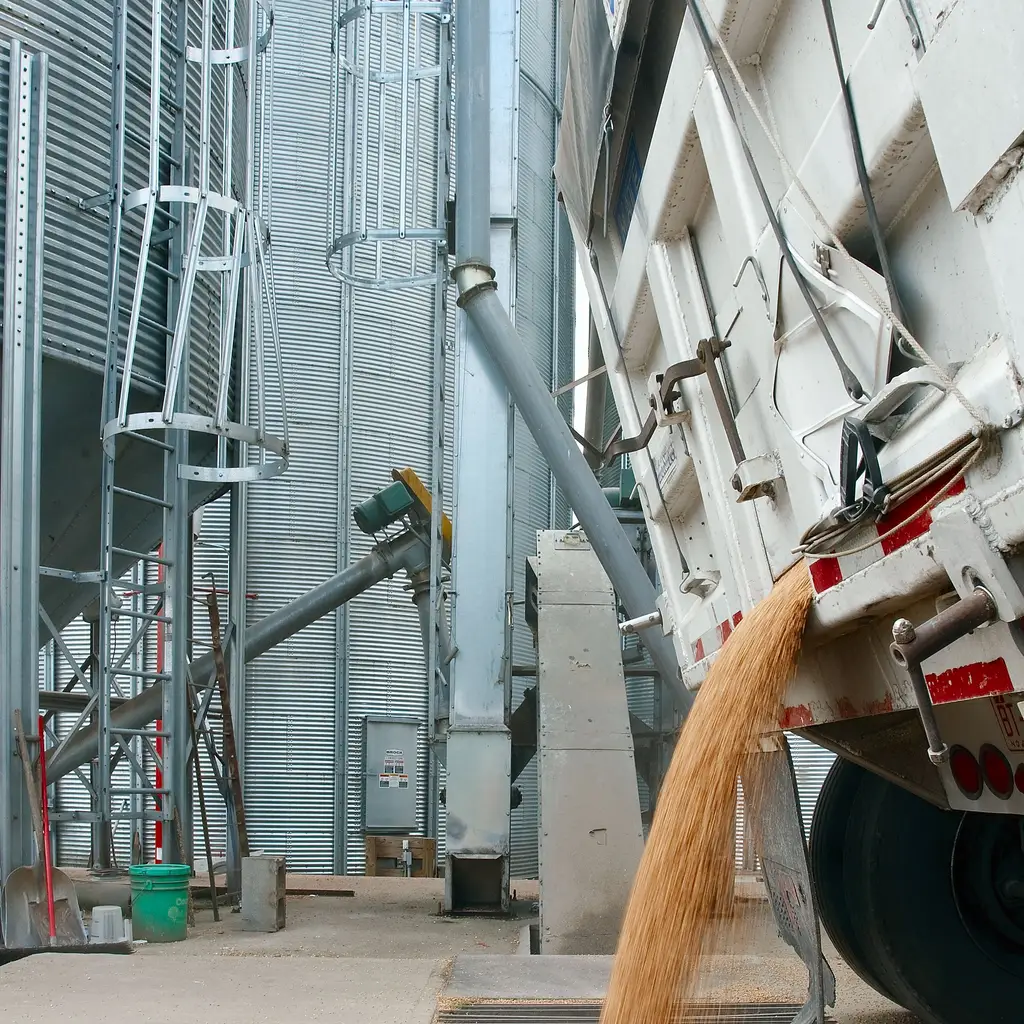
You buy and move raw farm materials for other businesses. Whether you handle bales or bulk commodities, moisture and storage conditions can affect a buyer's grade expectations as well as the physical stock; harvest peaks can change the value you hold quickly.
The Southern Agency can review your actual materials, who owns them and the way you store and ship them. We can help compare stock and transit protection with handling-equipment, worker and release exposures, without treating a quality dispute or falling market price as insured damage.
Some materials can self-heat or burn; others are especially vulnerable to moisture or deterioration.
Stock can lose usefulness without an insured sudden event.
Harvest peaks, market prices, and customer interests change the value at risk.
Balers, conveyors, and workers face machinery hazards; treatment chemicals or runoff can create pollution duties.
Policies to ask about. Which ones fit depends on your operations, your contracts, and the carrier’s forms.
Ready to compare options?
Get a quote for Farm Product Raw Material Distributor Or call 1-800-777-1TSAThese hypothetical examples are not agency claim results. Whether a loss is covered depends on the facts, policy terms, and applicable exclusions.
Fire/self-heating terms and valuation govern recovery for the particular material.
The entry cause, maintenance, mold, and moisture exclusions determine any property response.
Qualifying breakdown and linked income terms govern repairs and lost earnings, not every contract penalty.
Start with the work you do and the questions your current policies leave unanswered. Carrier options depend on your location, risk, and underwriting. Explore our approach.
Some dry/fiber materials can burn or self-heat in storage, but this is not a universal property of every raw commodity.
Only applicable causes and interests qualify. Moisture, mold, insects and gradual deterioration may be excluded even when stock is insured.
Assess actual dust, treatment, and runoff activities. No generic chemical exposure is assumed for every commodity.
Suitable transit terms should match goods, transport modes, custody, and handoffs; carrier liability alone may not replace stock value.
It affects values and limits, not an automatic claim for falling prices. Review the agreed valuation method and peaks.
Qualifying breakdown and linked income may help; wear, maintenance, and price or delivery losses need separate treatment.
Bring your questions, current policies, and relevant contracts. An agent can review coverage terms, exclusions, and the information carriers ask for, then explain the options available to you.