

Vehicle fluids escape
Draining and storage can contaminate soil, groundwater, or runoff.
Try a different word, or check the spelling.
Your buyers rely on a used part's condition, and you can be named if it fails. Review which reclaimed components your product liability actually accepts.
Talk with The Southern Agency about your operation, policy terms, and the information carriers need.
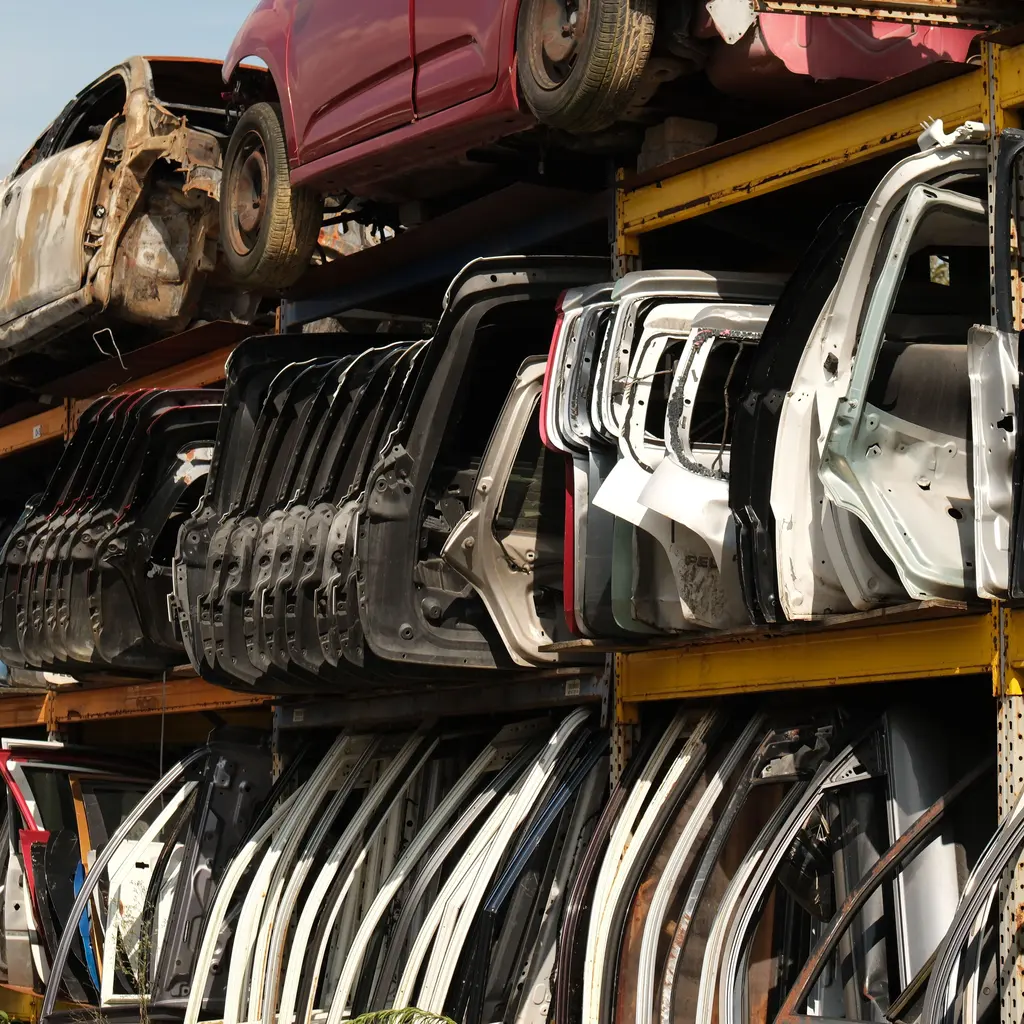
You supply reclaimed engines and other vehicle parts, and may dismantle salvaged vehicles yourself. A part blamed for a crash can bring a product claim, while fluids recovered from vehicles create a separate spill exposure at your yard.
The Southern Agency can review your dismantling, fluid handling, and parts sales to help you select insurance. We can discuss premises and product liability alongside pollution, equipment and employee protection suited to the work accepted by the policy.
Draining and storage can contaminate soil, groundwater, or runoff.
Condition, testing, recall status, and traceability affect product allegations.
Stored vehicles, tires, batteries, and valuable components create different stock interests.
Cutting, lifting, towing, and delivery expose staff and others; cash handling adds crime risk.
Policies to ask about. Which ones fit depends on your operations, your contracts, and the carrier’s forms.
These hypothetical examples are not agency claim results. Whether a loss is covered depends on the facts, policy terms, and applicable exclusions.
Recovered coolant escapes containment and reaches soil at the yard. Environmental coverage depends on the substance and release terms, including relevant dates and reporting provisions; routine disposal remains separate.
A buyer alleges a reclaimed brake component you sold contributed to a crash. Review product eligibility, safety-part exclusions and what was known about its condition before relying on liability coverage.
Thieves remove converters from vehicles stored outside overnight. Review ownership, outdoor-stock theft terms and evidence of loss under property coverage; employee-theft or cash-crime protection does not automatically cover it.
Start with the work you do and the questions your current policies leave unanswered. Carrier options depend on your location, risk, and underwriting. Explore our approach.
GL pollution exclusions may restrict the intended release; suitable environmental terms should match fluids and operations.
You may face allegations, but reclaimed categories, safety exclusions, and defect knowledge can determine whether cover exists.
Review property theft for actual owned/entrusted vehicles and components; employee theft and cash crime are separate.
Tow operations need express on-hook/custody and other relevant interests, not just an auto certificate.
Cash and valuable parts create exposure; crime requires appropriate covered interests and evidence.
Products, site history, fluids, security, towing, staff, and losses inform underwriting; no single factor universally determines price.
Bring your questions, current policies, and relevant contracts. An agent can review coverage terms, exclusions, and the information carriers ask for, then explain the options available to you.