

Chemical drift onto adjacent property
Wind-carried spray can damage neighboring crops, organic fields, gardens, or waterways, generating pollution and liability claims against the applicator.
Try a different word, or check the spelling.
Growers trust you to treat a problem without damaging what they grow. Your coverage needs to consider both the advice you give and where the application ends up.
The Southern Agency can help you review your pest control services to match your insurance with your daily operations.
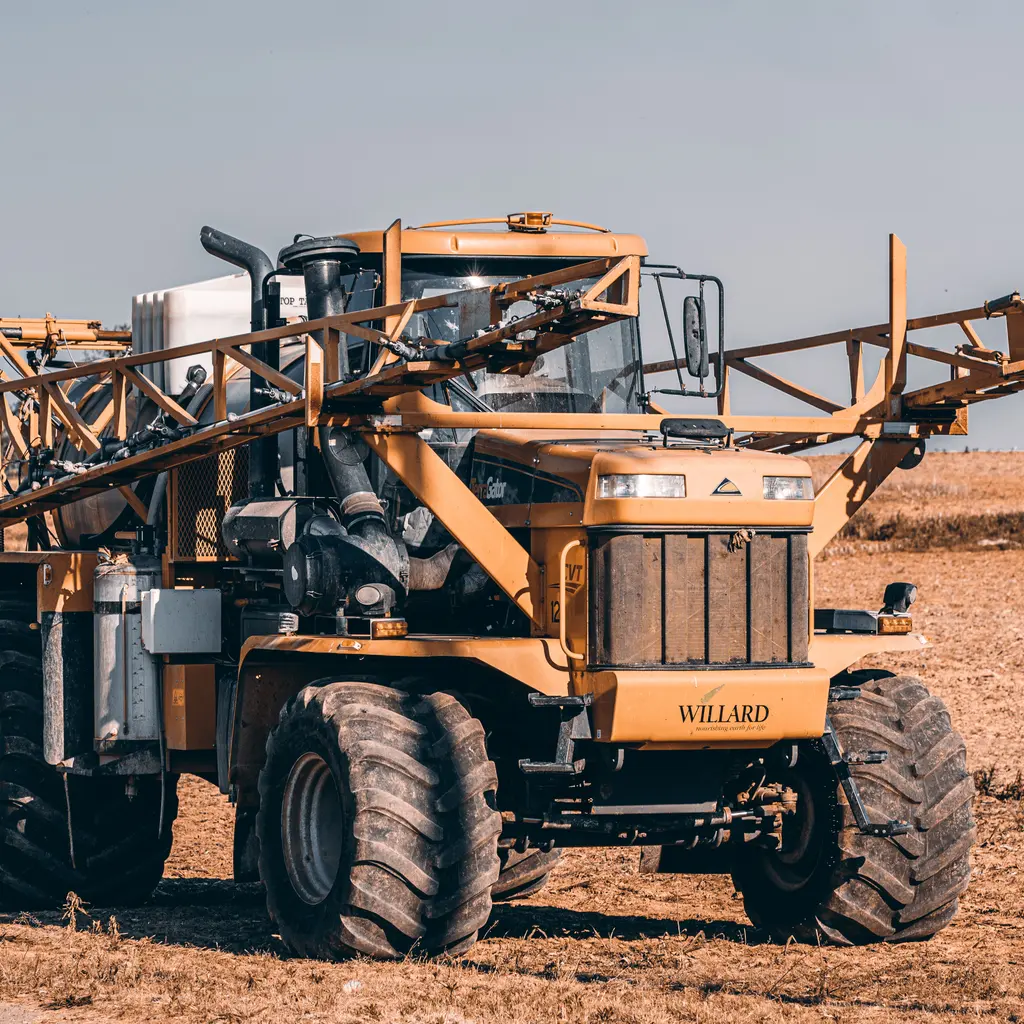
You provide ground-based pest control, scouting, and treatment advice. Errors in diagnosis, application drift onto neighboring fields or chemical leaks can result in liability claims.
The Southern Agency can review your ground-based services to help you select appropriate insurance. We can help distinguish between your advice-based financial risks and the physical risks associated with spraying equipment at your shop or in the field.
Wind-carried spray can damage neighboring crops, organic fields, gardens, or waterways, generating pollution and liability claims against the applicator.
The wrong product, rate, or timing can injure or kill a grower's crop, leading to costly claims for lost yield and replanting.
Mixing, loading, and storing concentrated chemicals creates spill and contamination exposure at the company's shop and yard.
Workers handling restricted-use pesticides face inhalation, contact, and equipment injury risks during loading and application.
Trucks and trailers hauling chemical tanks across rural roads can be involved in collisions that also release product.
Advising the wrong treatment or scouting program can cause economic loss to a grower, raising professional liability concerns.
Policies to ask about. Which ones fit depends on your operations, your contracts, and the carrier’s forms.
These hypothetical examples are not agency claim results. Whether a loss is covered depends on the facts, policy terms, and applicable exclusions.
Herbicide drifts onto a neighboring vegetable field and the grower seeks lost crop value. An applicator liability or pollution form may respond if drift from the declared work is insured; a generic pollution policy may exclude the application operation or the affected crop loss.
A mixing error damages the acreage the company was hired to treat. Check specific treated-crop or misapplication coverage. General liability's worked-on-property exclusions and a professional policy's property-damage exclusion can leave this different from a neighboring-field drift claim.
A hose disconnects while a tank is filled and concentrate reaches soil at the mixing yard. Premises pollution coverage may address covered cleanup at a declared site, but off-site applicator coverage alone may not; pre-existing contamination and reporting conditions also matter.
Start with the work you do and the questions your current policies leave unanswered. Carrier options depend on your location, risk, and underwriting. Explore our approach.
Do not rely on it without checking the pollution and application exclusions. Ask for the wording that addresses drift from your declared products and methods, including damage to neighboring crops; a pollution policy label is not enough.
That is a separate coverage question from drift to a neighbor. Request a review of treated-crop damage and misapplication terms, including the crop-value sublimit. Worked-on-property or property-damage exclusions may restrict general or professional liability.
Disclose the products, application methods, and operating states. Licensing, training, and application records can affect underwriting, but a license does not establish that every product or application is insured.
Workers compensation can address covered occupational injuries when the worker and employment fall within the policy and applicable law. Confirm state requirements and payroll treatment for loaders, applicators, and temporary labor; do not infer coverage from a pesticide license.
Describe who selects the chemical, rate, and timing. Following a grower's instructions is different from providing scouting and treatment advice. The review should address both application errors and any advisory services, including exclusions between the two.
Check premises pollution coverage for the specific mixing and storage site, including first-party cleanup. Coverage for work on customers' fields may not include your yard, and known or pre-existing contamination may be excluded.
Bring your questions, current policies, and relevant contracts. An agent can review coverage terms, exclusions, and the information carriers ask for, then explain the options available to you.