

Aerial spray drift over wide areas
Chemicals released from the air can travel well beyond the field, damaging neighboring crops, organic operations, livestock, and water.
Try a different word, or check the spelling.
A successful application starts before your aircraft leaves the ground. Your insurance needs to connect the loading pad, fuel handling and flight without assuming one policy covers them all.
The Southern Agency can help you coordinate insurance for your ground support and flight operations.
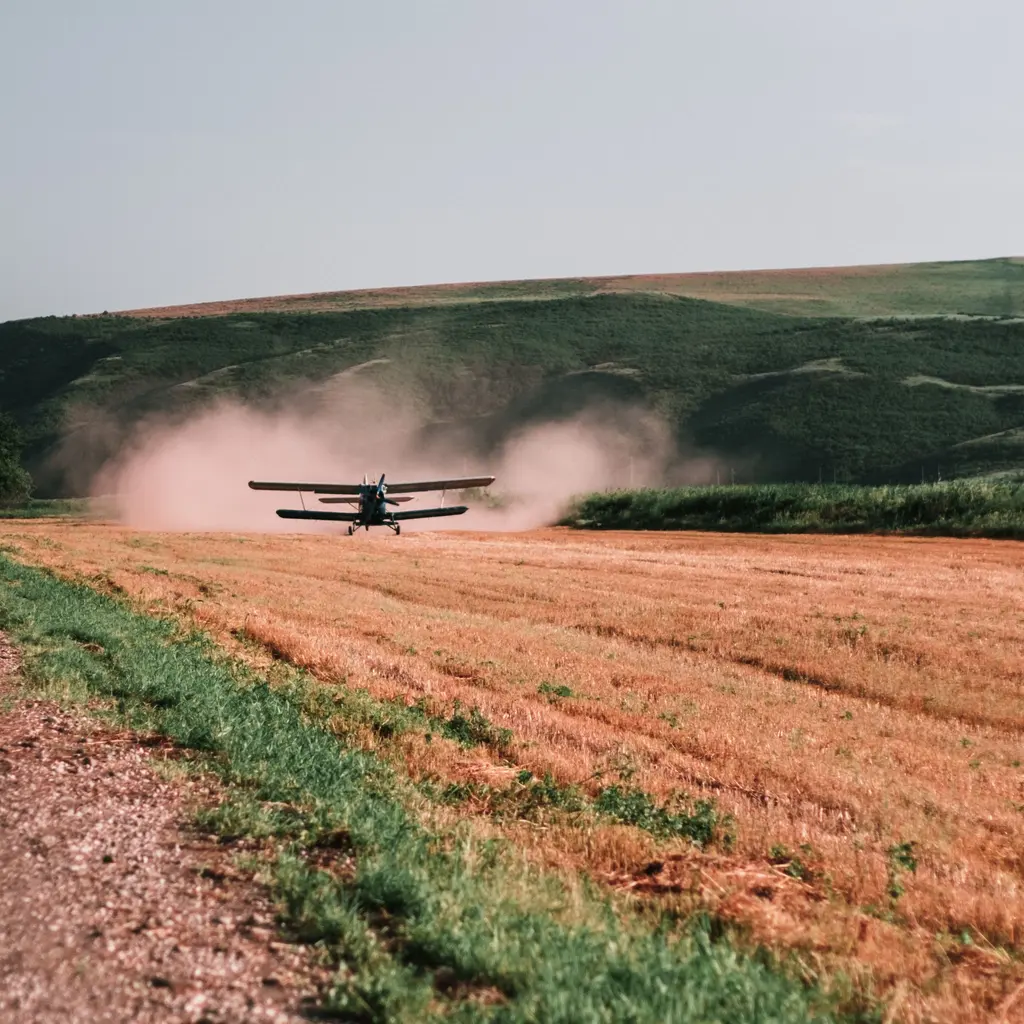
You operate aircraft for agricultural application, which involves ground support tasks like mixing, loading, and fueling alongside flight risks. Chemical drift or loading accidents can create complex liability and property claims.
The Southern Agency can help you review your ground and aerial operations to select appropriate insurance. For example, we can help you determine how your premises policy covers ground mixing facilities versus the specialized liability needed for aerial chemical release.
Chemicals released from the air can travel well beyond the field, damaging neighboring crops, organic operations, livestock, and water.
Filling hoppers and mixing concentrate at the loading pad creates contamination and spill exposure at the airstrip and shop.
Aviation fuel storage and ground refueling add fire and pollution hazards distinct from the application chemicals themselves.
Workers handling chemicals, hoses, and equipment around aircraft face contact, inhalation, and machinery injury risks.
Hangars, ground support gear, and chemical-hauling trucks face property and liability exposure separate from the aircraft.
An incorrect product, rate, or pattern can damage the treated crop, prompting claims for lost yield against the operator.
Policies to ask about. Which ones fit depends on your operations, your contracts, and the carrier’s forms.
These hypothetical examples are not agency claim results. Whether a loss is covered depends on the facts, policy terms, and applicable exclusions.
Hypothetical: an aerial pass reaches a neighboring organic field and the grower alleges crop damage and certification-related loss. Review specialized aerial chemical-liability terms; generic pollution coverage may exclude the aircraft operation. Pure economic or certification costs are not necessarily covered because physical crop damage is.
Hypothetical: concentrate spills while a hopper is filled. Review the aviation and environmental forms against the exact loading activity and cleanup demand. Aircraft, pollution, and insured-location provisions can leave the incident outside one or both policies.
Hypothetical: an employed loader is injured handling a hose beside the aircraft. Workers compensation may address benefits under the applicable state system and covered employer's policy. Pilot or flight duties should not be inferred from a ground-only classification.
Start with the work you do and the questions your current policies leave unanswered. Carrier options depend on your location, risk, and underwriting. Explore our approach.
Do not assume so. Aircraft hull and aviation liability need specialist review. Property on the hangar or liability for non-aviation premises does not establish aircraft coverage or indicate that a particular aviation product is available through this agency.
No. Check aircraft and aerial-application exclusions and obtain terms that expressly address the operation. Specialized agricultural aviation forms can distinguish chemical drift, neighboring crops, and the crop being treated; one does not establish the others.
Separate physical damage to insured structures and stock from cleanup and liability. During aircraft loading, aviation and environmental exclusions must be checked together; being on the ground is not itself a coverage trigger.
Check the actual employer, state requirements, declared duties, and policy classifications. Loaders, mixers, drivers, and pilots should be identified accurately rather than assumed to fit one ground-crew description.
Yes, a grower can allege incorrect product, rate, or application, but liability depends on the facts and law. Review treated-crop coverage specifically. Ordinary pollution or professional liability may exclude the operation, physical crop damage, or the claimed financial loss.
The same event can involve storage, pumping, aircraft loading, and release. Compare insured operations, exclusions, locations, limits, and other-insurance terms across the forms; coordination identifies gaps but does not guarantee that a gap can be filled.
Bring your questions, current policies, and relevant contracts. An agent can review coverage terms, exclusions, and the information carriers ask for, then explain the options available to you.