Skip to content

Specialty Poultry Farm Insurance

Birds raised for eggs, meat or release do not create identical insurance needs. Your flock's purpose and the way buyers collect or receive it matter alongside the housing.

The Southern Agency can help you review your specialized housing, flock management, and product sales to find suitable coverage.

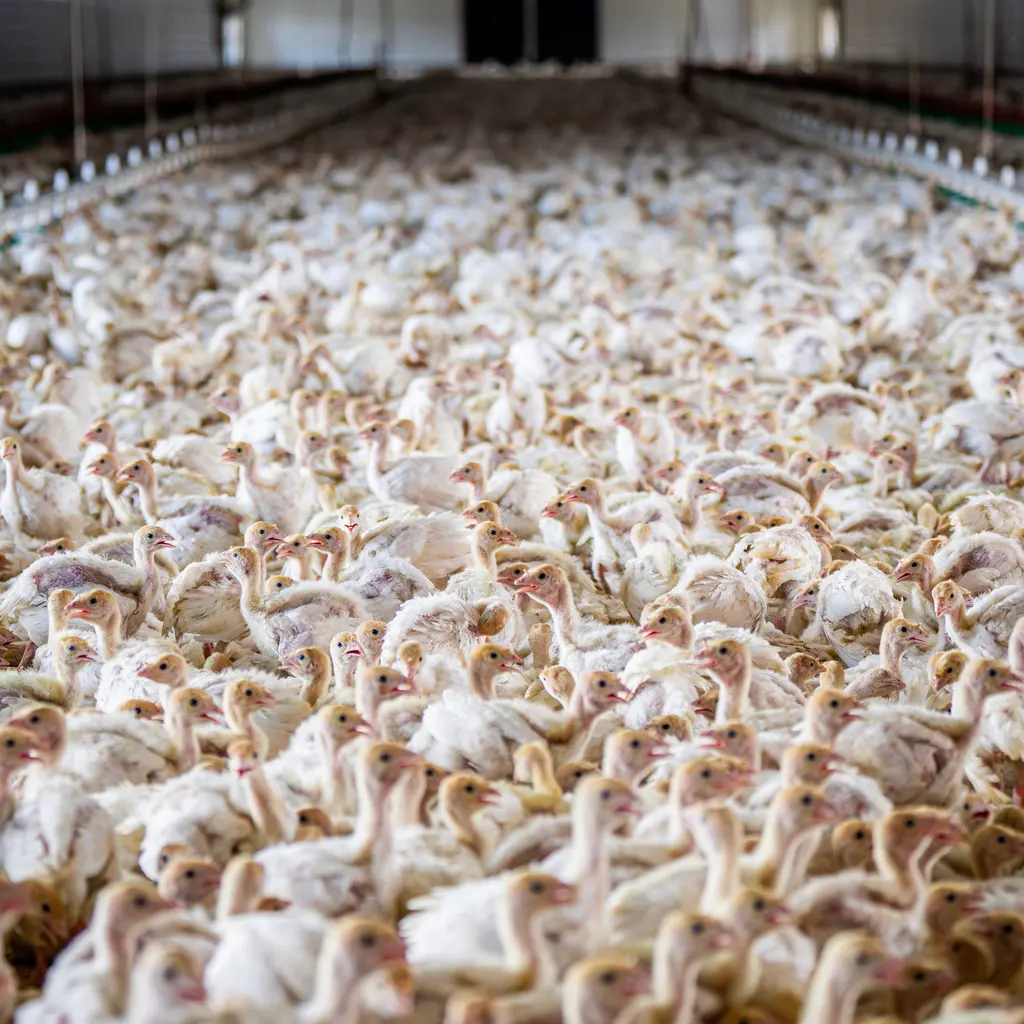
A flock of white turkeys inside a long poultry barn.

Industry overview

You may raise specialty birds for eggs, meat, breeding or release, using housing and outdoor areas that suit those flocks. Disease, predators or failed heating and ventilation can harm living birds, while a customer's product claim involves a different part of the operation.

The Southern Agency can review your housing, temperature-control systems, and sales channels to help you select appropriate insurance. For example, we can assess your equipment breakdown coverage for your ventilation systems while separately reviewing your flock-loss causes for disease or temperature fluctuations.

Risks worth discussing

Avian influenza and disease loss

Disease can cause bird deaths, and official controls may include depopulation or restrictions on movement and sales. A nearby restriction, loss of the farm's birds and a subsequent sales interruption are different facts to establish.

Ventilation and heating failure

Where used, ventilation and brooder systems depend on functioning equipment and their power or fuel supply. Failure can harm birds as well as damage equipment or disrupt production.

Product and foodborne-illness exposure

Specialty eggs and meat sold direct to consumers and restaurants create product and illness claims depending on operations.

Predator and wildlife losses

Hawks, foxes, raccoons, and other predators can cause significant losses, especially in pasture and free-range systems.

Brooder and barn fire

A housing fire can damage brooders, buildings, feed, and bedding as well as harm living birds. Those are separate property and flock interests.

Market and farm-stand liability

Market buyers and farm visitors can bring injury or product claims. If the public has contact with birds or their areas, illness exposure also needs review.

Coverage worth discussing

Policies to ask about. Which ones fit depends on your operations, your contracts, and the carrier’s forms.

Situations to think through

These hypothetical examples are not agency claim results. Whether a loss is covered depends on the facts, policy terms, and applicable exclusions.

  1. Hypothetical: Official depopulation after an influenza finding

    Hypothetical: an official disease response requires depopulation and sales stop. Any private claim needs applicable disease, stock, and interruption terms; none follows merely from insuring the houses. Government assistance is a separate review with its own eligible losses, valuation, inventory, and approval conditions, not a promise to replace every bird or future sale.

  2. Hypothetical: Brooder heater failure

    Hypothetical: a heater fails and young birds die from cold. Applicable breakdown terms may address an eligible machine and failure, subject to wear, and other conditions. The birds, alternative heat, lost production, and buyer commitments require separate review; repairing the heater does not establish those payments.

  3. Hypothetical: Illness alleged after specialty eggs are sold

    Hypothetical: a customer reports illness after eating eggs bought at market. Applicable product liability terms may address a covered injury claim and defense, subject to product, activity, and exclusions. Withdrawal, replacement, buyer charges, and the loss of the laying flock are separate costs, not automatic parts of that claim.

Before you talk to an agent

What to have ready

Tick items as you gather them. Nothing here is saved or sent.

Questions to raise

  • List species, age groups, owners, and uses, including breeding stock and birds intended for sale or release. Compare values and limits with disease, predators, fire, temperature, and other specified causes. Do not infer that every species or cause of death is insured from a livestock heading or heritage label.
  • Trace the different sale routes: eggs, processed meat, breeding birds, and live birds for another operator. Identify who processes, holds, transports, and accepts them. For planned release work, distinguish the agreed service and transfer from accidental loss, and review any survival or performance promise.
  • Compare housing and brooder values with ventilation, heating, controls, fuel, and outside-power dependencies. Ask about repairs, temporary arrangements, stored-product loss, and living birds separately. A sales halt or replacement growing cycle needs its own covered trigger and income terms.
  • Bring disease and predator history, feed-source information, and the farm's operating description to the review. Keep private insurance, official disease assistance, and animal-health or waste obligations separate. Public contact, markets, added processing, and outside labor should be included when performed, not assumed for every specialty flock.

Contract terms to check

  • Read egg, meat and live-bird agreements for ownership, custody, health or breeding representations, acceptance, rejection, and replacement. For preserve or release customers, define delivery and release responsibilities and any performance promise. A contract to supply birds or eggs is not itself insurance for disease or failure to fulfill the order.
  • Clarify responsibilities with processors, catchers, haulers, feed providers, and waste contractors. Compare custody, product, worker, contamination, disposal, and indemnity terms with the policies involved. A provider's certificate alone does not amend the farm's protection or establish payment for its stock.
  • Compare land, housing and equipment leases, finance requests, and market conditions with the interests and endorsements proposed. Private insurance requests are separate from applicable animal-health, food, worker, waste, and road duties. Official assistance conditions also need their own review rather than being treated as private coverage.

What the agent conversation looks like

Start with the work you do and the questions your current policies leave unanswered. Carrier options depend on your location, risk, and underwriting. Explore our approach.

  1. ListenReview your operations, current coverage, and past claims.
  2. AssessIdentify potential hazards and discuss ways to reduce risk.
  3. BuildDiscuss policy and carrier options, premium costs, and audits.
  4. SupportReview changes and help you plan ahead as your needs develop.

Questions owners ask

Does insuring poultry housing establish disease cover for the birds?

No. Review the species, age groups, owners, values and causes included for living stock, separately from buildings and equipment. Disease deaths, official depopulation, movement restrictions and lost sales need their own terms rather than being inferred from a property limit.

Is government disease assistance the same as private insurance?

No. Assistance has separate eligible-loss, inventory, valuation, and approval conditions. It should be reviewed alongside private terms without assuming that either pays for every dead bird, contract loss or future production.

Does a brooder repair claim include birds lost to cold?

A covered heater failure concerns the insured equipment and cause. Living birds may be excluded from equipment terms or require separate protection. Compare the birds, temporary care, stored products and income explicitly rather than treating all of them as resulting machine damage.

What changes when I supply birds for release?

Explain the species, purpose, delivery, custody, and any release work or survival promise. Planned release, accidental stock loss, and third-party injury are different questions. A policy description for egg or meat sales does not establish every live-bird service.

Does product liability include an egg withdrawal or rejected meat order?

Not automatically. Injury claims and defense differ from withdrawal, disposal, replacement, and buyer charges. Describe processing and outside providers, then compare each allegation and agreement with the proposed terms.

Does a pasture system establish predator cover?

No housing label establishes a cause of loss. Ask which species, groups, locations, and predator events the animal terms include, and how values and reporting are handled. Lost birds, damage to a pen and future egg or meat sales are separate interests.

Talk through your specialty poultry farm coverage

Bring your questions, current policies, and relevant contracts. An agent can review coverage terms, exclusions, and the information carriers ask for, then explain the options available to you.

How can we help you get started?

Choose the quote that fits, and we’ll take it from there.

Have a question? Contact us