

Combine and machinery loss
Combines, planters, and grain carts are extremely high-value and exposed to overturns, collisions, fire, and breakdown moving between fields.
Try a different word, or check the spelling.
Getting corn out of the field does not finish your season's work. Dryers, bins and grain trucks each bring a different part of the harvest into your insurance decisions.
The Southern Agency can compare machinery, dryer, stored-corn and hauling terms with your actual harvest and any services you perform for others.
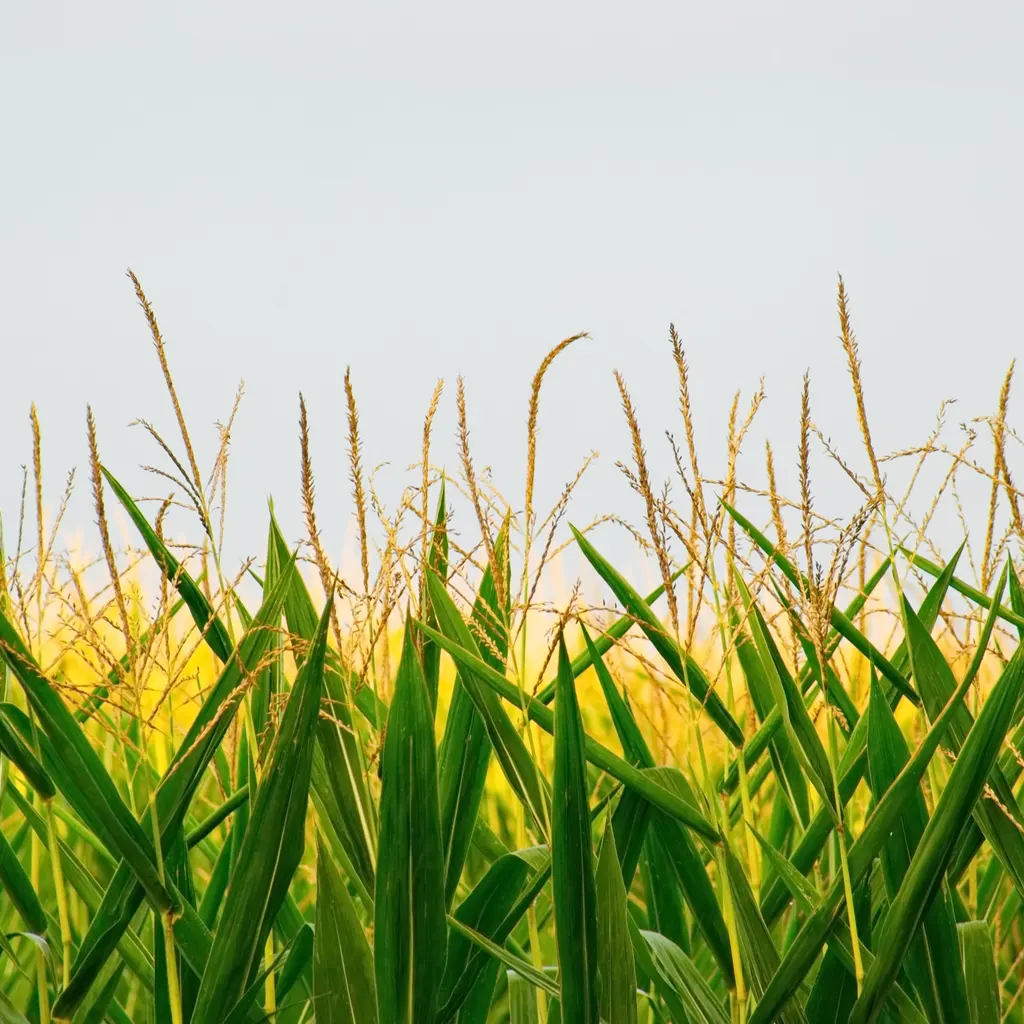
You grow, harvest, dry, and store corn, which involves using heavy machinery and managing grain inventory. An equipment overturn or a dryer fire can cause significant disruption to your harvest schedule.
The Southern Agency can help you review your farming equipment and storage systems to select insurance for your corn-growing operations. For example, we can help you understand whether your equipment policy covers stationary dryer breakdown versus physical damage to mobile combines.
Combines, planters, and grain carts are extremely high-value and exposed to overturns, collisions, fire, and breakdown moving between fields.
Stored corn creates bin-entrapment, grain-dust explosion, and fire risks that can cause serious injury and major property loss.
A dryer or aeration breakdown during harvest can spoil or downgrade stored grain before it can be marketed.
A single storm or dry stretch can flatten stalks or downgrade kernels, sharply reducing yield and revenue.
Trucks moving grain to elevators and processors on public roads create commercial auto liability and physical damage exposure.
Operators and helpers working around combines, augers, and bins during a compressed harvest face entanglement and crush hazards.
Dry conditions, hot equipment, and grain dust create fire risk in fields, combines, and storage structures.
Policies to ask about. Which ones fit depends on your operations, your contracts, and the carrier’s forms.
These hypothetical examples are not agency claim results. Whether a loss is covered depends on the facts, policy terms, and applicable exclusions.
Hypothetical: a combine burns before the corn harvest is complete. A farm-equipment form may pay for covered fire damage at its stated valuation. Renting a substitute and losing unharvested yield are separate expenses, not automatic additions to the machine limit.
Hypothetical: a dryer motor fails during a wet harvest and corn deteriorates before alternate drying is arranged. Equipment breakdown may cover an insured motor failure; spoiled corn needs applicable spoilage terms. Wet grain or ordinary deterioration without a covered trigger can remain uninsured.
Hypothetical: a truck overturns while taking corn to the elevator. Auto liability and selected collision coverage address different losses. The corn needs its own transit review, including who owned it and bore the loss before delivery.
Start with the work you do and the questions your current policies leave unanswered. Carrier options depend on your location, risk, and underwriting. Explore our approach.
Check the farm-equipment or inland-marine form for road transit, operating territory, valuation, and covered causes. An auto policy for the grain truck does not establish coverage for the combine, and mechanical breakdown may be excluded.
Stored corn can be reviewed as insured property, but confirm ownership, locations, peak values, and the loss-settlement method. Fire coverage does not necessarily cover heating, moisture damage, pests, or spoilage.
Separate the dryer repair from spoiled corn, alternate drying expense, and interrupted income. Each needs an applicable insured trigger and limit; equipment breakdown is not a blanket guarantee of all harvest losses.
Check liability requirements for the vehicles and jurisdictions involved. Collision and comprehensive are separate selections and may be required by a lender rather than road law. Review the corn load and hired hauling separately.
That depends on the state, employer, workforce, and duties. Describe harvest helpers, bin work, hauling, and contractors when checking requirements; an agricultural label does not answer every employment or coverage question.
Machinery values, drying and storage operations, peak grain inventory, trucks, employees, custom work, and losses inform underwriting. Acreage alone does not describe those exposures or establish a premium.
Bring your questions, current policies, and relevant contracts. An agent can review coverage terms, exclusions, and the information carriers ask for, then explain the options available to you.