

Crop loss in the field
Weather can damage stands or cause seed shatter and production loss. Yield and oil/quality effects depend on the actual crop, growth stage and conditions.
Try a different word, or check the spelling.
How much oilseed you hold between harvest and delivery can change sharply through the season. Your storage and transit limits need to reflect those actual values.
The Southern Agency can help you coordinate your insurance for field production, storage, and seed transit.
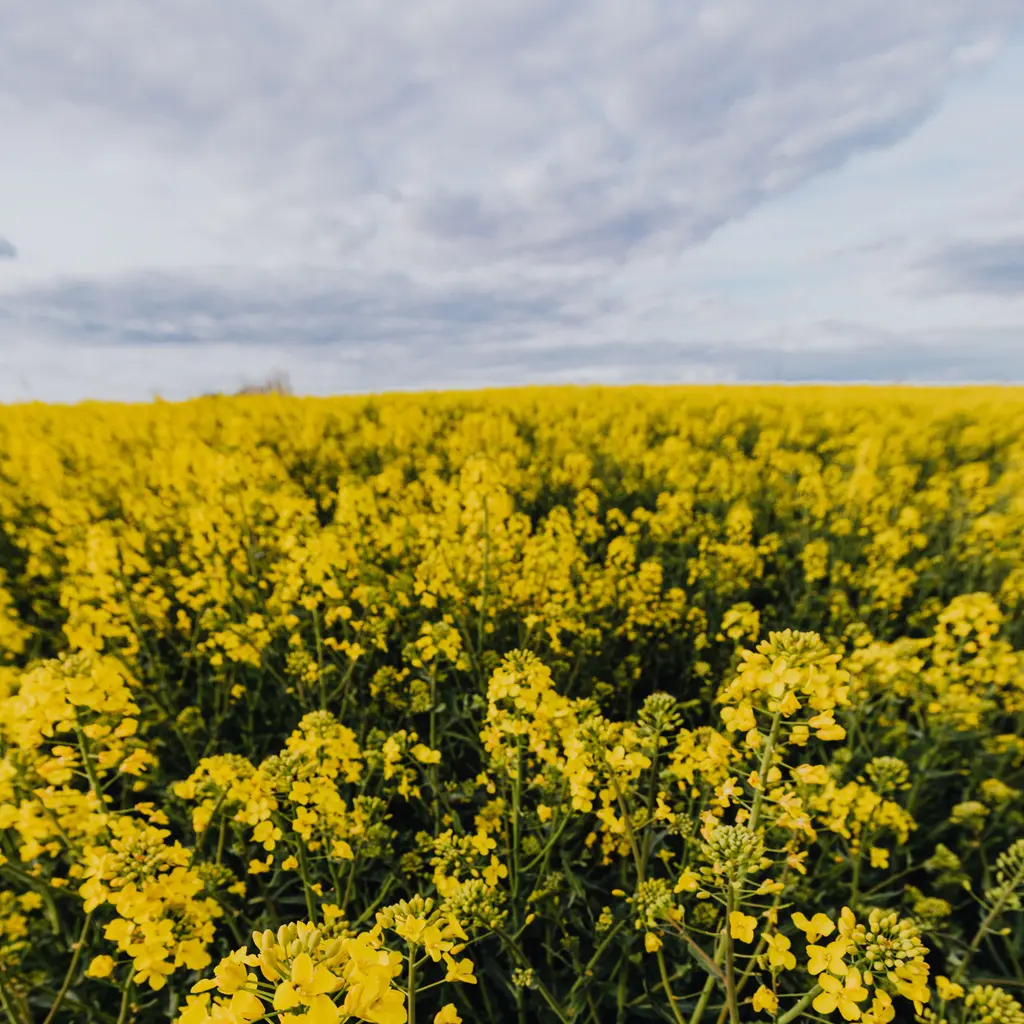
You produce crops like canola or sunflower for oil extraction, managing them from planting through harvest and delivery. Variations in seed moisture, crop quality, and harvest timing can lead to storage and contract challenges that affect your revenue.
The Southern Agency can review your harvest methods, storage systems, and buyer contracts to help you select appropriate insurance. For example, we can help clarify what is covered when your harvest equipment breaks down during a tight weather window.
Weather can damage stands or cause seed shatter and production loss. Yield and oil/quality effects depend on the actual crop, growth stage and conditions.
Combines, headers, and augers failing during a narrow harvest window can cause costly downtime and field losses before seed is in the bin.
Oilseed held in bins can heat, mold, or be lost to fire and pests before it reaches the crusher or elevator.
Dust around bins, augers and transfer equipment can create fire/explosion exposure when ignition and other conditions are present. Qualified storage/fire-safety review is separate from insurance.
Herbicide, fertilizer, and on-farm fuel storage and application create potential contamination exposure depending on operations.
Trucks hauling seed to elevators and crushers on public roads create commercial auto liability and physical damage exposure.
Seasonal labor around augers, combines, and bins faces entanglement, fall, and equipment-related injury risk.
Policies to ask about. Which ones fit depends on your operations, your contracts, and the carrier’s forms.
These hypothetical examples are not agency claim results. Whether a loss is covered depends on the facts, policy terms, and applicable exclusions.
Hypothetical: a combine fire damages the machine in an oilseed field. Applicable equipment terms may address the insured machine/interest, cause, and value. Standing crop, spreading fire, internal failure, substitute rental, and delayed-harvest income need separate review; equipment fire protection does not establish them all.
Hypothetical: stored seed heats and deteriorates before sale. Actual property/stored-commodity terms must include the seed, owner, site, cause, and valuation. Heating, mold/pests, ensuing fire, buyer grade deductions, and rejected-delivery costs can have different treatment; neither all spoilage nor all resulting fire should be assumed covered or excluded.
Hypothetical: a loaded truck causes an accident en route to an elevator. Applicable auto liability may address covered third-party injury/damage, with selected physical damage for the vehicle. Seed/load interests, cleanup, loading, and contractual replacement/delay costs require separate terms.
Start with the work you do and the questions your current policies leave unanswered. Carrier options depend on your location, risk, and underwriting. Explore our approach.
Do not assume so. Review the actual crop/location/practice, interest, period, and any yield/quality/revenue terms separately from bins and harvested seed. A general oilseed label does not establish every crop's eligibility or buyer-specification loss.
No. Check machine/interest, cause, value, mobile eligibility, and wear. External damage, internal failure, rental, harvest delay, and resulting crop/income loss can have different terms; an addition is not guaranteed available.
Review actual seed, ownership, site, and cause with heat/deterioration, mold/pest, valuation, and any ensuing-fire terms. Buyer rejection, grade discount, and missed delivery are separate questions; neither every spoilage loss nor every resulting fire has one automatic answer.
Vehicle liability and selected physical damage do not establish cargo value, loading, spilled-load cleanup, or replacement/delay obligations. Describe own-seed and any for-hire work, carriers, and actual custody/acceptance.
Describe actual handling, equipment, maintenance, and storage/fire-safety arrangements for qualified review. Insurance does not make bin entry safe or settle every applicable safety rule, property cause, or worker obligation.
Not by itself. Compare actual physical damage and crop/stock terms with sampling, oil/moisture/grade specifications, and acceptance. Contract, price, quality, yield and revenue triggers can differ; disclose any processing or added services.
Bring your questions, current policies, and relevant contracts. An agent can review coverage terms, exclusions, and the information carriers ask for, then explain the options available to you.