

Machinery breakdown at planting and harvest
Planters, sprayers, and combines failing during narrow field windows can cause costly downtime and crop losses before beans are in the bin.
Try a different word, or check the spelling.
If you spray your soybean fields, the work can affect a neighbor's crop as well as your own. Drift liability belongs in a separate insurance discussion from protecting the sprayer and stored beans.
The Southern Agency can help you review your equipment, storage, and delivery operations to find suitable insurance coverage.
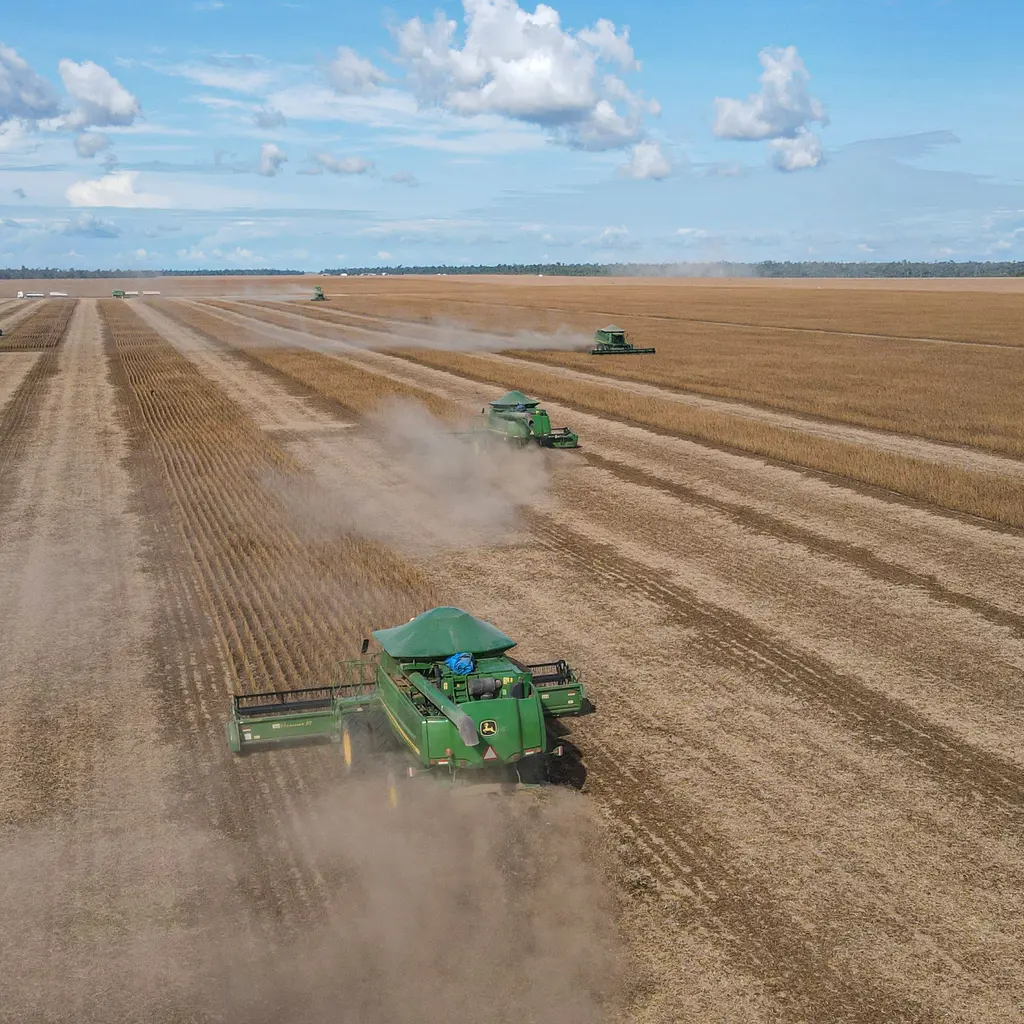
You plant and harvest soybeans around field conditions and buyer delivery dates. A combine failure can leave beans in the field, while heating or mold can damage beans you hold for a later sale; the machine, crop and delivery commitment need different insurance terms.
The Southern Agency can review your harvest machinery, storage systems, and delivery routes to help you select appropriate insurance. For instance, we can assess your equipment coverage to help you plan for potential mechanical failures while you separately address the risk of spoilage in your bins.
Planters, sprayers, and combines failing during narrow field windows can cause costly downtime and crop losses before beans are in the bin.
Soybeans held in bins can heat, mold, or be lost to fire and pests before they move to the elevator or processor.
Soybean handling can generate combustible dust. Accumulations and ignition sources around handling and storage equipment create potential fire and explosion hazards.
Spraying and chemical storage create drift, contamination, and pollution exposure that can affect neighboring crops and property.
Trucks hauling soybeans to elevators and processors on public roads create commercial auto liability and physical damage exposure.
Labor around augers, bins, and combines faces engulfment, entanglement, and fall injuries during a busy harvest.
Drought, hail, flood, and disease can reduce soybean yields and farm revenue.
Policies to ask about. Which ones fit depends on your operations, your contracts, and the carrier’s forms.
These hypothetical examples are not agency claim results. Whether a loss is covered depends on the facts, policy terms, and applicable exclusions.
Hypothetical: residue ignites and damages a combine during soybean harvest. Applicable equipment terms may address an insured machine and fire cause, subject to values and other conditions. The head, hired replacement, field yield and missed delivery costs require their own review rather than being assumed part of the repair payment.
Hypothetical: beans deteriorate in a bin before delivery. A stock claim needs an insured interest and cause, not just evidence that mold is present. Harvest condition, seed damage, and storage history can matter; fan repair, ordinary deterioration, buyer deductions, and contract replacement may have different treatment.
Hypothetical: herbicide applied to soybeans drifts onto an adjacent field and a claim follows. Applicable application or environmental terms may address a covered operation and third-party claim, subject to products, causes, and exclusions. A premises pollution policy or the applicator's certificate alone does not establish the farm's cover, cleanup, or own-crop reimbursement.
Start with the work you do and the questions your current policies leave unanswered. Carrier options depend on your location, risk, and underwriting. Explore our approach.
Not automatically. Machine repair, substitute equipment, income, and field yield involve different terms. Have growing-crop protection reviewed for the locations, practices, causes and periods involved rather than infer it from a combine claim.
Compare the equipment and causes included in the proposed policy. Fire damage, mechanical failure, and wear can have different treatment, including for a combine head or borrowed unit. A machine listed for one cause does not establish every repair or rental cost.
No. Establish ownership, condition and cause, using available harvest and storage records. Damaged seed coats and moisture or temperature history can affect deterioration; ordinary spoilage, fan failure, and buyer rejection are not interchangeable with covered stock damage.
Not by itself. Explain who applied the product, what work was agreed and the farm's role. Compare application liability, premises pollution, cleanup, and own-crop terms with the contracts and policies; a certificate alone does not answer them.
Explain when custody and ownership change and who harvests and hauls. You may not hold the same stored value as a farm keeping beans for months, but equipment, cargo, delivery, and buyer-acceptance questions still need review.
A property limit does not by itself guarantee a future price, basis or delivery margin. Compare the grain valuation and covered causes with any separate crop or revenue protection and the sale agreement. A market movement is not automatically a physical stock-loss claim.
Bring your questions, current policies, and relevant contracts. An agent can review coverage terms, exclusions, and the information carriers ask for, then explain the options available to you.