

Specialized harvest equipment loss
Bean cutters, windrowers, and combine attachments are high-value and exposed to overturn, collision, and breakdown during a tight harvest.
Try a different word, or check the spelling.
You work to deliver beans that meet a buyer's grade. Insurance can address certain losses along the way, but a discounted load is not automatically a covered claim.
The Southern Agency can help review your harvest equipment, peak bean values and storage terms without treating a buyer's grade discount as an insured loss.
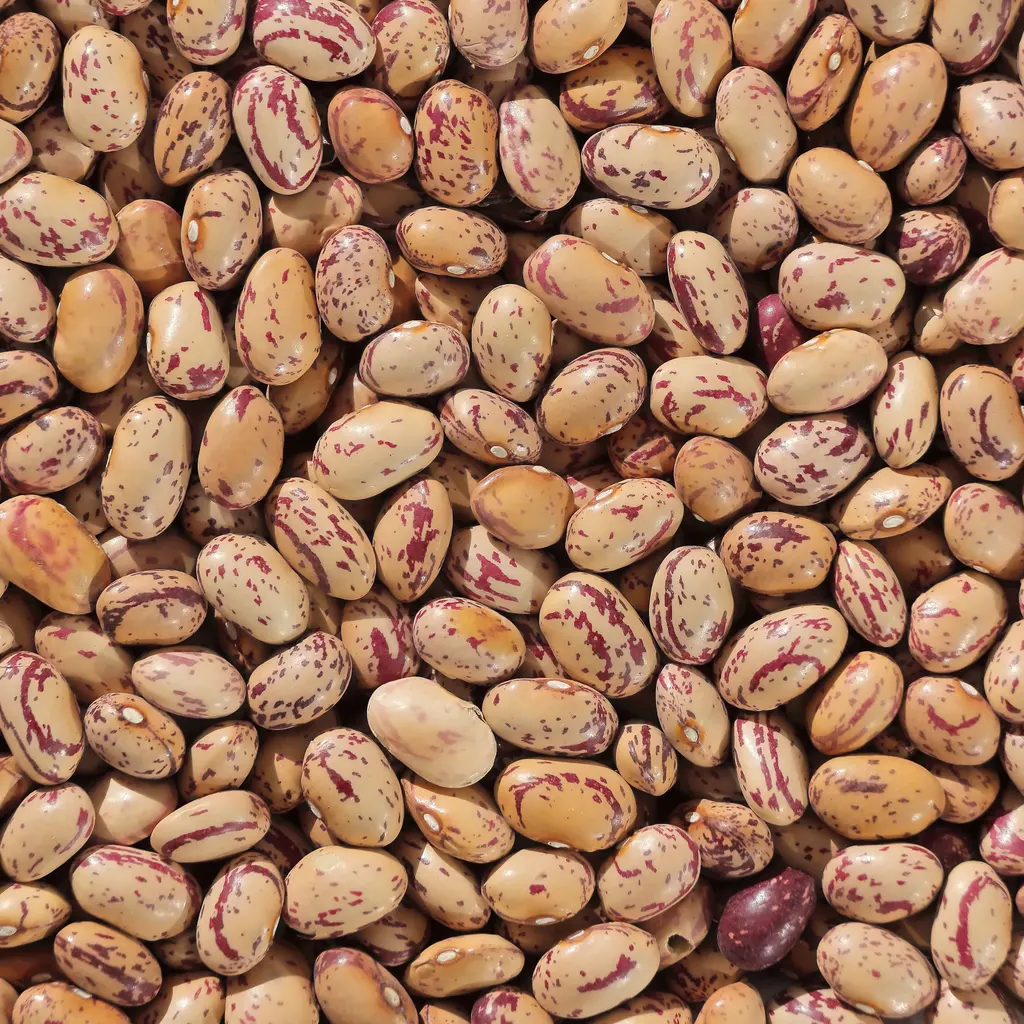
You grow beans for markets where grade and condition dictate your price, using specialized harvest equipment and storage systems. Weather damage or handling issues after harvest can reduce the value of your crop.
The Southern Agency can help you review your harvest equipment and bean storage methods to select insurance for your farm. For example, we can help you distinguish between weather-related crop damage and mechanical breakdown of your stationary aeration fans.
Bean cutters, windrowers, and combine attachments are high-value and exposed to overturn, collision, and breakdown during a tight harvest.
Stored dry beans are vulnerable to moisture, mold, and pests, and a handling or aeration failure can downgrade an entire bin.
Untimely rain, hail, and frost can split pods or stain seed coats, directly reducing grade and marketable value.
Dry conditions, hot equipment, and dust create fire risk in fields, machinery, and bean storage structures.
Trucks moving beans to processors and elevators on public roads create commercial auto liability and physical damage exposure.
Crews running cutters, combines, and handling equipment during a compressed harvest face entanglement and crush hazards.
Policies to ask about. Which ones fit depends on your operations, your contracts, and the carrier’s forms.
These hypothetical examples are not agency claim results. Whether a loss is covered depends on the facts, policy terms, and applicable exclusions.
Hypothetical: a fan motor breaks and stored beans deteriorate before delivery. Equipment breakdown may cover the motor, while the beans need applicable spoilage terms. A processor's grade discount is not proof of covered spoilage, and gradual deterioration may remain excluded.
Hypothetical: a combine drive fails during harvest. Farm-equipment insurance can exclude internal breakdown even when it insures fire or collision. Rental equipment and damage to beans still in the field require separate review.
Hypothetical: a truck overturns while delivering beans. Auto liability and selected collision coverage address different interests from the bean load. Check transit terms and the sale agreement; vehicle insurance alone does not establish payment for the crop.
Start with the work you do and the questions your current policies leave unanswered. Carrier options depend on your location, risk, and underwriting. Explore our approach.
No. Identify the damage, cause, and timing, then check the relevant property or spoilage terms. A price discount, ordinary deterioration, pest damage, or a contractual quality failure may not be covered. Crop-program quality adjustments are a separate review with specific rules.
Check the equipment schedule, attachments, territory, field operation, transit, and rented-unit terms. A form can insure accidental physical damage while excluding internal breakdown.
Not by itself. Equipment breakdown may pay for an insured fan failure, but the stored beans need applicable spoilage coverage and limits. Review gradual deterioration, moisture, service-interruption, and reporting terms.
Vehicle liability and physical damage do not by themselves insure the beans. Review crop transit, ownership before acceptance, and any hired-hauler agreement separately.
Check the actual employer, workforce, duties, and state rules. Having payroll is not by itself an answer to agricultural requirements, exemptions, or whether an outside crew is covered under the farm's policy.
Bean types, acreage, harvest machinery, storage and aeration, peak lot values, seed or service work, hauling, employees, and prior losses inform underwriting. A premium or eligibility decision requires the actual operation.
Bring your questions, current policies, and relevant contracts. An agent can review coverage terms, exclusions, and the information carriers ask for, then explain the options available to you.