

Picker fire during harvest
Lint or trash near hot components can contribute to a picker fire, damaging the machine and cotton while delaying harvest.
Try a different word, or check the spelling.
Your cotton may be picked and still waiting in modules for the gin. Where it sits and who is responsible matter just as much as the insurance on your picker.
The Southern Agency can review picker values, module storage sites, gin agreements and application methods against the actual policy terms.
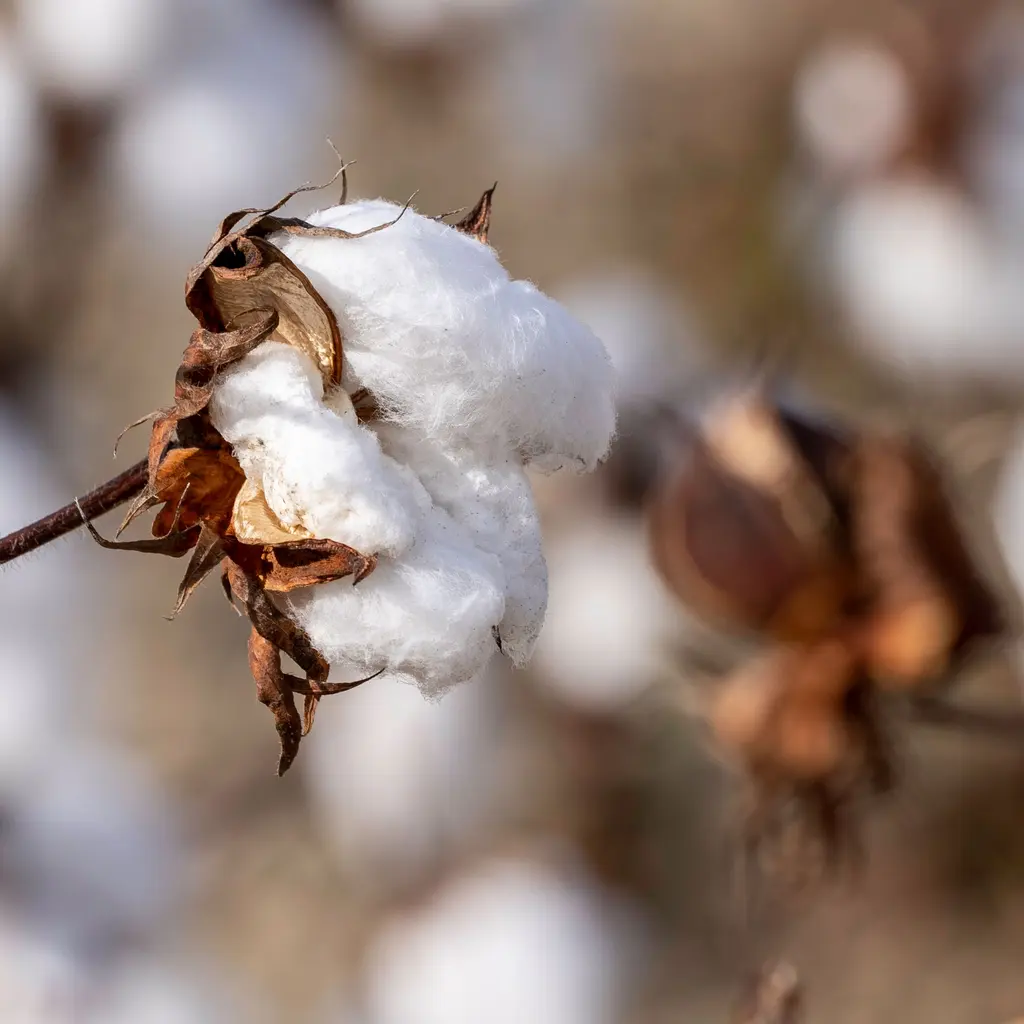
You manage cotton from picking to module storage and delivery to the gin, using specialized equipment and seasonal labor. Misunderstandings regarding equipment ownership or storage locations can leave your harvest exposed.
The Southern Agency can help you evaluate your equipment, storage practices, and ginning services to select appropriate insurance for your cotton farm. For example, we can help you distinguish between coverage for mobile pickers versus stationary ginning operations.
Lint or trash near hot components can contribute to a picker fire, damaging the machine and cotton while delaying harvest.
A fire at a field or yard holding location can destroy cotton before pickup, when storage location and ownership may differ from the main farm.
Accidental damage or breakdown of a picker, stripper, or module builder can require repair and replacement harvesting capacity.
Where herbicides, defoliants, and fuels are used, spills and drift can affect neighboring property or the treated crop.
Hail, storms, and rain can damage bolls or stain fiber; a lower grade is not necessarily the same as an insured property loss.
Machinery, module handling, and chemical tasks create crush, entanglement, and exposure risks for employees and outside crews.
Policies to ask about. Which ones fit depends on your operations, your contracts, and the carrier’s forms.
These hypothetical examples are not agency claim results. Whether a loss is covered depends on the facts, policy terms, and applicable exclusions.
Hypothetical: a picker burns during harvest. A farm-equipment form may cover the insured fire damage at its stated valuation. The cost to hire a replacement harvester and any lost standing crop need separate review; they do not follow automatically from insuring the picker.
Hypothetical: modules burn at a field holding location before collection. Property coverage depends on that cotton being insured at that location and on the grower's interest in it. A building contents limit at the main farm may not follow the modules.
Hypothetical: a neighbor alleges a farm application damaged an adjacent crop. Review coverage that expressly addresses the application and alleged damage. Ordinary general liability or pollution coverage for stored chemicals does not establish drift coverage.
Start with the work you do and the questions your current policies leave unanswered. Carrier options depend on your location, risk, and underwriting. Explore our approach.
Damage to a picker from an onboard fire may be covered under inland marine or farm equipment forms, depending on the specific policy, maintenance, and exclusions. Fire-prevention practices can affect terms.
Check the cotton's ownership, field or yard holding locations, peak values and insured causes. A main-farm building contents limit does not automatically follow modules waiting elsewhere for gin collection. Bring pickup and gin terms so the review follows who bears the loss.
Describe ground or aerial application, products used and work for other growers. Coverage needs to expressly accept the operation and alleged damage, including any treated-crop exclusion. Protection for a storage spill does not establish protection for drift or every chemical application.
Pickers and module builders used across fields and roads may be covered under inland marine or farm equipment forms in transit, depending on the specific policy, endorsements, and exclusions.
Check the applicable state's agricultural employment rules and the actual employer and duties. Seasonal work alone does not settle the obligation. Include machinery, module handling and chemical tasks, and review labor-contractor arrangements rather than assume the crew supplier insures everyone.
Premiums commonly reflect acreage, equipment values, module storage, chemical use, hauling, and loss history. Final pricing depends on underwriting and the specifics of your operation.
Bring your questions, current policies, and relevant contracts. An agent can review coverage terms, exclusions, and the information carriers ask for, then explain the options available to you.