

Harvest equipment breakdown
Diggers, inverters, and peanut combines failing during the narrow dig-and-combine window can cause costly downtime and field losses.
Try a different word, or check the spelling.
Your digger, combine and curing system have to work in sequence. Insurance needs to distinguish a damaged machine from the peanuts affected while it is out of service.
The Southern Agency can help you review insurance options for your harvesting, drying, and delivery operations.
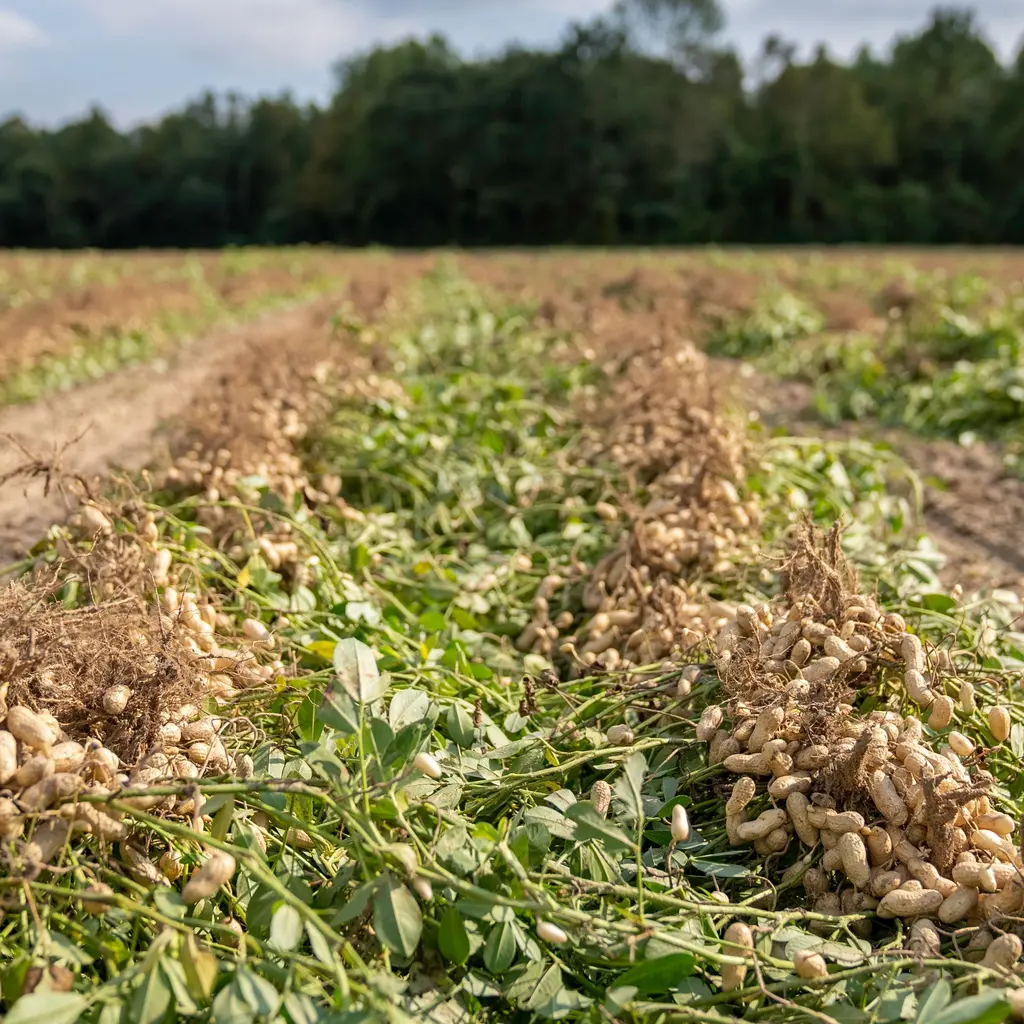
You oversee the peanut harvesting sequence from digging and inverting to drying, combining, and delivery. Machine failure, weather disruptions, or contamination during drying can impact your crop quality and ability to meet delivery commitments.
The Southern Agency can review your specific harvesting and curing arrangements to help you select appropriate insurance. For instance, we can help distinguish between coverage for a mobile conveyor's mechanical breakdown and the separate terms required for damage to the peanuts themselves.
Diggers, inverters, and peanut combines failing during the narrow dig-and-combine window can cause costly downtime and field losses.
Rain and humidity on inverted peanuts drying in the field can reduce yield and quality before the crop is combined and cured.
Fire or equipment failure during curing can affect dryers/controls, wagons, and the peanuts being dried.
Aflatoxin can develop before harvest and increase under unsuitable post-harvest conditions. Appearance or a buyer grade alone does not establish toxin level, cause, or an insured loss.
Fungicide, fertilizer, and fuel storage and application create potential pollution and contamination concerns depending on operations.
Trucks and wagons moving peanuts to buying points and shellers on public roads create commercial auto and transit exposure.
Labor around combines, augers, and drying wagons faces entanglement, fall, and equipment-related injury risk during a busy season.
Policies to ask about. Which ones fit depends on your operations, your contracts, and the carrier’s forms.
These hypothetical examples are not agency claim results. Whether a loss is covered depends on the facts, policy terms, and applicable exclusions.
Hypothetical: debris ignites on a combine and damages the machine. Applicable equipment terms may address the insured machine, cause, and value. Internal failure/wear, crop damage, replacement rental, and delayed harvest have separate conditions.
Hypothetical: curing equipment fails and peanuts deteriorate. Applicable breakdown terms must include the machine, interest, and cause, including mobile eligibility if a wagon system is involved. Resulting load loss, contamination, aflatoxin, buyer rejection, and downtime do not follow automatically; establish when and why the condition developed.
Hypothetical: a loaded truck causes an accident on delivery. Applicable auto liability may address covered third-party injury/damage, with selected physical damage for the vehicle. Peanut cargo, spilled-load cleanup, loading, and delivery/replacement obligations need separate terms.
Start with the work you do and the questions your current policies leave unanswered. Carrier options depend on your location, risk, and underwriting. Explore our approach.
Check actual purpose/type, interest, period, and harvest/field-removal definitions with the proposed crop insurer. Digging, field drying, combining, curing, and buyer acceptance should be mapped explicitly; a wagon, shed or delivery date does not settle every stage.
Confirm each machine, owner, value, location/transit, and cause. External damage, internal failure, wear and rentals differ, and a fixed-equipment breakdown form does not establish mobile-wagon or combine eligibility.
Not by itself. Machine repair and the affected load, spoilage/contamination, utility interruption, downtime, and rejection need actual terms and causation. Aflatoxin can develop before harvest as well as increase later, so it should not automatically be attributed to the failure.
Confirm current peanut-specific quality, notice, testing, lot, and disposition requirements with the actual insurer/agent. Buyer grading, toxin testing, insured adjustment, and later storage deterioration are different determinations.
Document system/peanut ownership, custody, care, acceptance, and loss responsibility with the actual provider. Compare the grower's crop/load and the provider's work/custody terms, including quality, rehandling, and delivery costs.
Identify actual employers, work states and tasks around diggers, augers, wagons and dryers, plus drivers/carriers and loads. Review worker duties/benefits and vehicle liability/selected physical damage separately from cargo, loading, and delivery contracts.
Bring your questions, current policies, and relevant contracts. An agent can review coverage terms, exclusions, and the information carriers ask for, then explain the options available to you.