

Weather and pest crop loss
Frost, storms, drought and pests can damage crops and disrupt harvest or sales commitments. Effects depend on the crop and production stage.
Try a different word, or check the spelling.
A restaurant order and a farm-market pickup can take the same harvest in different directions. Your insurance needs to reflect where you sell, handle, and deliver each crop.
The Southern Agency can help you review your high-value harvest and cold-chain operations to identify relevant insurance.
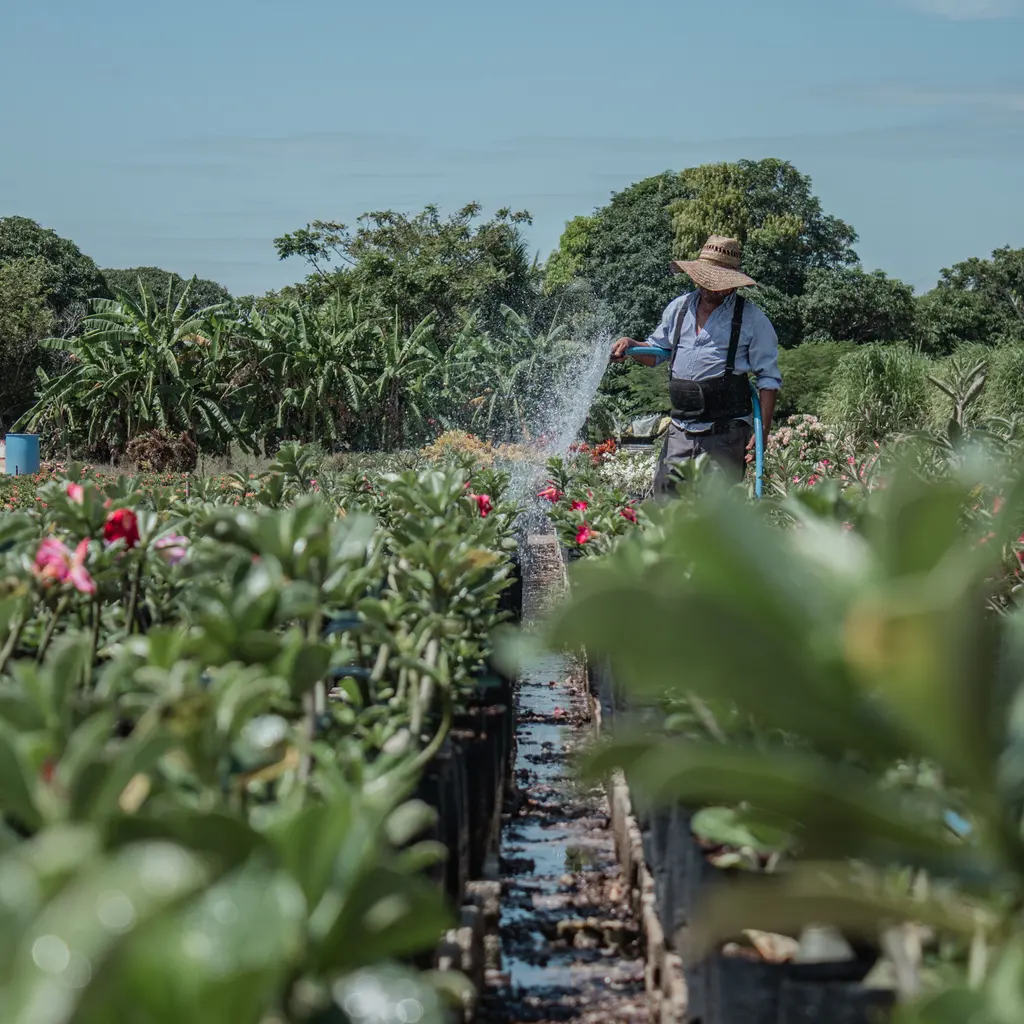
You may grow herbs, flowers, heirloom produce or other specialty crops and sell through buyers, markets or subscription pickups. A damaged harvest is a different insurance question from a shopper's injury or an illness allegation involving something you sold.
The Southern Agency can review your crop mix and sales arrangements to help compare appropriate insurance. If you use cooling, processing or a farm stand, we can discuss those activities alongside growing-crop interests, harvested stock and the promises in your buyer agreements.
Frost, storms, drought and pests can damage crops and disrupt harvest or sales commitments. Effects depend on the crop and production stage.
Produce sold direct or processed into value-added goods can lead to product claims if contamination or illness is alleged.
Visitors at farm stands, CSA pickups and market booths can slip, trip or be injured, leading to third-party claims.
Perishable crops awaiting sale can spoil from cooling failure, handling delays, or transport problems before reaching buyers.
Intensive hand harvesting, washing, and packing expose workers to strains, cuts, and repetitive-motion injuries.
Tools, coolers, market trailers, and delivery vehicles carry value and create on- and off-site loss potential.
Policies to ask about. Which ones fit depends on your operations, your contracts, and the carrier’s forms.
These hypothetical examples are not agency claim results. Whether a loss is covered depends on the facts, policy terms, and applicable exclusions.
Hypothetical: a customer alleges illness after eating produce bought at the stand. Applicable product liability terms may address a covered injury claim and defense, subject to the product, activity, and exclusions. Withdrawal, disposal, refunds, and a retailer's replacement bill need separate review rather than being assumed part of that claim.
Hypothetical: a walk-in cooler fails before market and harvested stock deteriorates. Applicable breakdown and spoilage terms would need to include the equipment, cause, and goods, subject to condition, limits, and other requirements. A repair claim does not establish payment for every food or flower crop, temporary storage, missed sale, or subscription refund.
Hypothetical: a shopper trips at the farm's market booth. Applicable liability terms may address a covered injury claim, subject to the off-site activity, location, and facts. The market's requested insurance and endorsements need review; stolen display equipment or damaged produce are separate interests.
Start with the work you do and the questions your current policies leave unanswered. Carrier options depend on your location, risk, and underwriting. Explore our approach.
Describe the whole crop mix, but identify each product's intended use, processing, and storage. Food-related injury, nonfood product damage, growing plants, and harvested stock need not have identical terms. A common cooler or market stall does not establish one coverage answer for every crop.
Have the off-site sales and customer activities described and compare the market's written conditions with the policy and endorsements. Visitor injury, portable equipment, and stock are different interests. A market certificate alone does not establish every one of them.
Check the insured cause and eligible perishable goods, their prior condition, owner, and location. Machine repair, stock loss, temporary cooling, and income have separate terms. Outside power loss, ordinary deterioration and a missed sale do not automatically have the same treatment.
Do not infer field protection from a building, equipment, or harvested-stock limit. Ask for each crop, practice, location, cause, and period to be reviewed separately. A specialty label or high planting value does not establish program eligibility or a payable yield loss.
Product injury claims differ from sales promises. Review the subscription or buyer agreement for shortage, rejection, refund, and replacement commitments, then compare them with the actual policy. An unfilled order is not automatically insured because you carry product liability.
Establish services, ownership, custody, and condition at each handoff. Compare the provider's responsibilities and policy with your stock, product, and delivery interests. A contract or certificate alone does not transfer every loss or guarantee reimbursement.
Bring your questions, current policies, and relevant contracts. An agent can review coverage terms, exclusions, and the information carriers ask for, then explain the options available to you.