

Loss of perishable plant inventory
A frost event, heater outage, or irrigation failure can destroy weeks of bedding plants, seedlings, and potted flowers before they can be sold.
Try a different word, or check the spelling.
The plants you have ready for sale still need water and care. Protecting that living inventory raises different insurance questions from protecting your greenhouse or welcoming customers into the yard.
Bring plant groups and seasonal values by growing or resale stage, structure and system details, customer activities and actual delivery or aftercare terms.
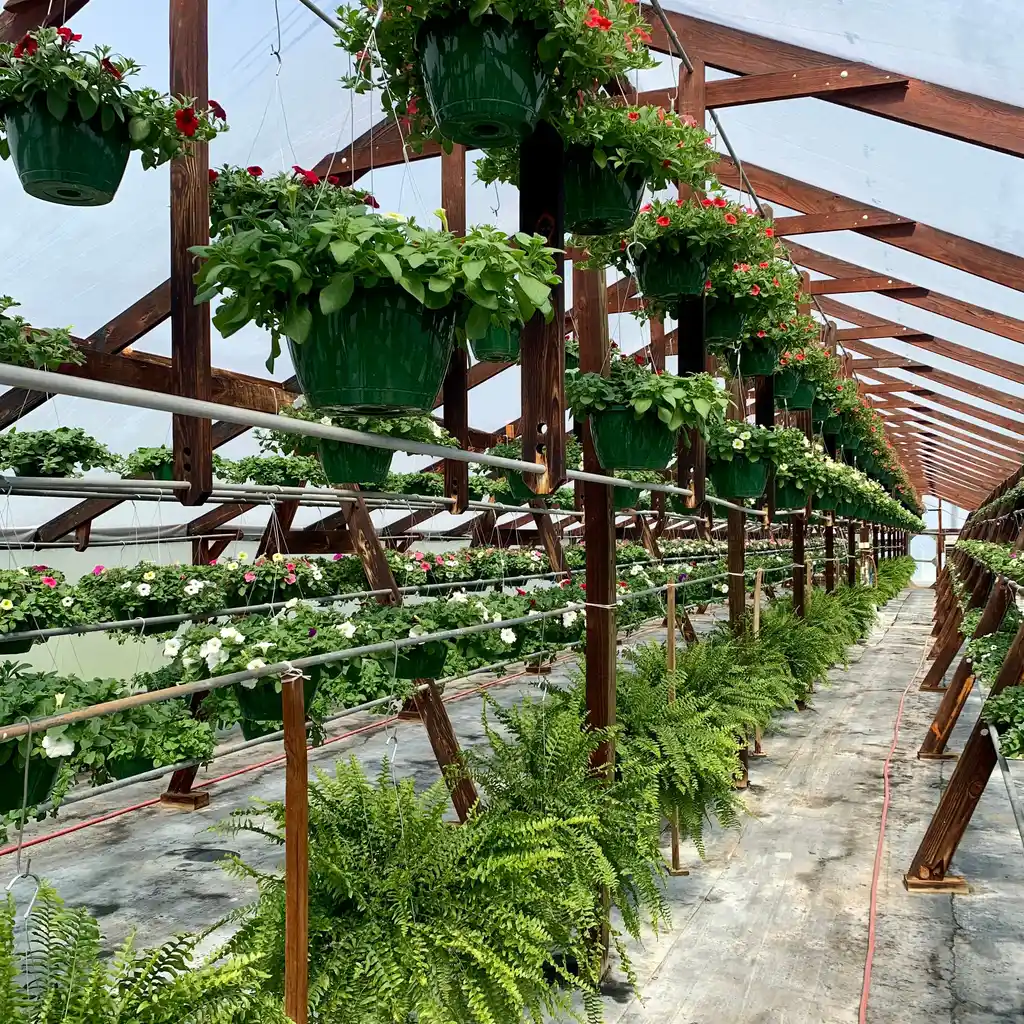
You propagate rooted plants or manage a retail sales yard for finished nursery stock. Your work involves risks such as customers browsing in your yard, the specialized care of living plants, and the potential for damage during off-site installations.
The Southern Agency can review your propagation and resale stock, public access and any delivery or installation work to help select appropriate insurance. We can compare growing-stage and retail plant terms with building and equipment protection rather than infer that insuring the greenhouse insures every plant.
A frost event, heater outage, or irrigation failure can destroy weeks of bedding plants, seedlings, and potted flowers before they can be sold.
Wind, hail, and snow load can collapse glass houses, hoop structures, and shade frames that protect growing stock.
Visitors browsing among wet floors, hoses, carts, and stacked pots can slip, trip, or be struck by falling merchandise.
Heaters, fans, pumps, and automated irrigation are essential, and a mechanical or electrical failure can quickly stress live inventory.
Seasonal workers moving heavy pots, running forklifts, and handling carts face strains, crush, and lifting injuries.
Vehicles used to deliver plants or install landscaping create road and off-site liability beyond the nursery lot.
Policies to ask about. Which ones fit depends on your operations, your contracts, and the carrier’s forms.
These hypothetical examples are not agency claim results. Whether a loss is covered depends on the facts, policy terms, and applicable exclusions.
Hypothetical: a heater fails in a house holding propagation trays and finished plants for retail. Equipment breakdown may address the covered heater accident, but a plant exclusion or narrowly defined indoor-retail plant provision can treat the inventory differently. Confirm the actual plants, locations, and stock-loss terms.
Hypothetical: a shopper trips over a hose while collecting an order. General liability may address a covered premises-injury claim, subject to the facts and terms. Injury to an employee doing the same task is a different coverage question.
Hypothetical: a nursery van collides and potted flowers are destroyed. Vehicle physical damage may address the insured van, while plants require applicable transit cover. A customer's later claim under an installation or survival guarantee is not automatically part of either payment.
Start with the work you do and the questions your current policies leave unanswered. Carrier options depend on your location, risk, and underwriting. Explore our approach.
Do not assume so. Compare the structures with the stock descriptions, stages, ownership, locations, perils, and values. A greenhouse payment does not establish reimbursement for every plant inside or outside it.
Check plant exclusions and any applicable stock or retail-plant provisions, not just the heater schedule. Growing propagation trays and indoor plants held for retail may not be treated identically under a particular form.
Not by itself. Review the current program's plant, sales, practice, location, and other eligibility conditions with an appropriate crop-insurance agent. Retailing living plants or insuring the building is not proof of qualification.
Describe both expressly. Review vehicles and the plant load separately, then off-site work, handling, customer property, contractors, and any chemical use. Delivery-only terms should not be assumed to include landscaping or ongoing plant care.
Not automatically. Plant replacement, aftercare, quality, and contractual performance promises can differ from insured stock loss or liability for resulting injury or damage. Review the guarantee and the actual form together.
Growing and resale activities, plant values and stages, structures and controls, public access, workers, transport, services, and loss history inform underwriting. The nursery label or small size does not establish a package or price.
Bring your questions, current policies, and relevant contracts. An agent can review coverage terms, exclusions, and the information carriers ask for, then explain the options available to you.